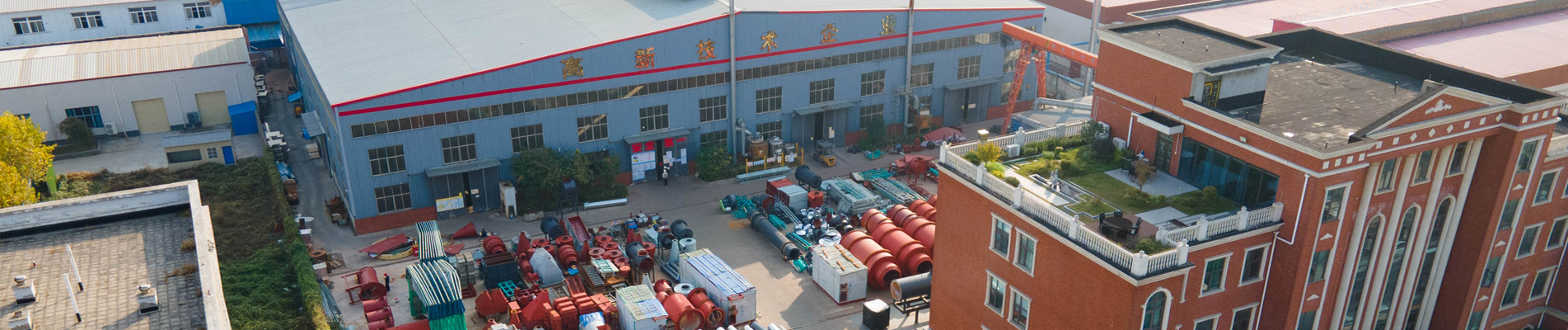
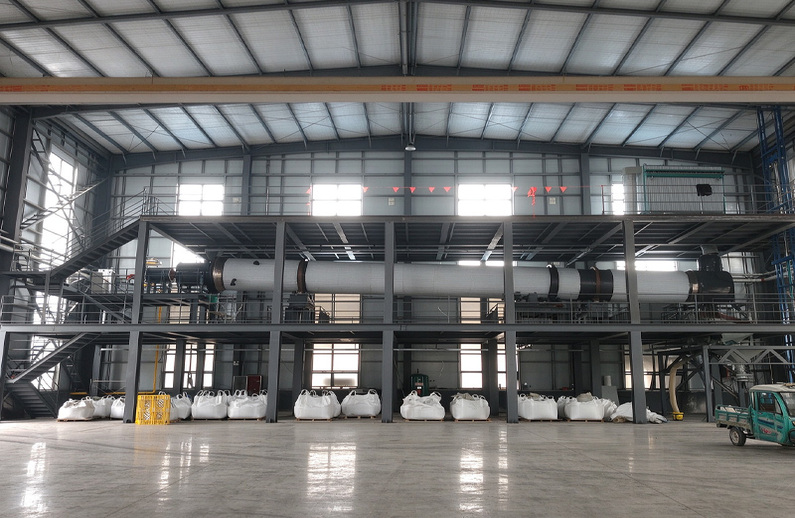
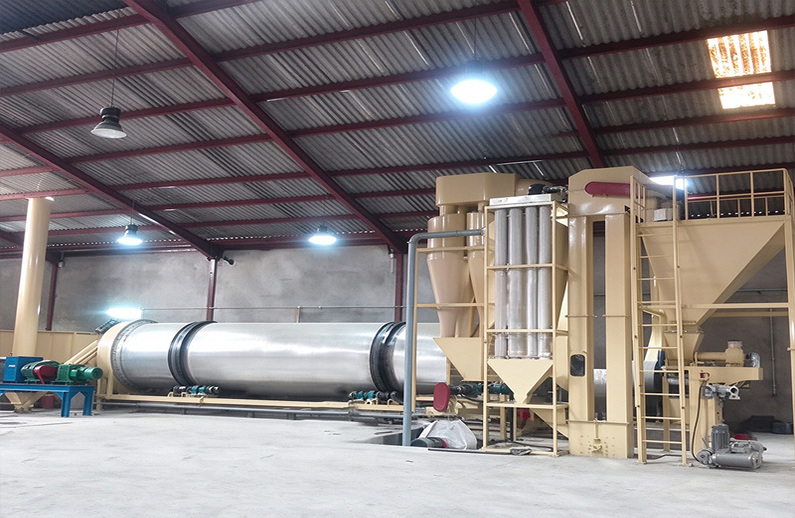
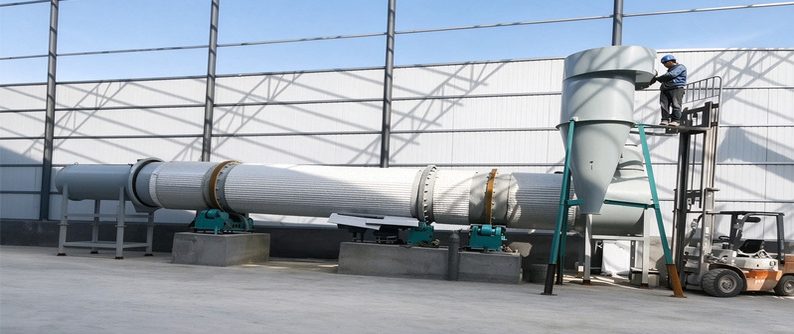
Brewers' Spent Grain Rotary Dryer
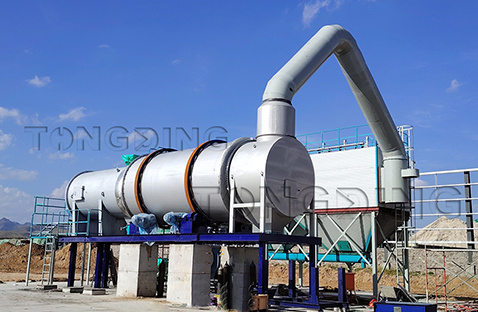
Wet material → rotating drum → hot air (gas/diesel/coal/biomass) → lifting plates create material curtain → moisture evaporates (10–26% → ≤1%) → dry material discharged. Dust collection ensures eco-compliance.
Features:
- Long-drum configuration designed for continuous industrial drying.
- Material-lifting structure designed to improve material dispersion and contact with hot air.
- Configured for the handling and drying challenges of high-moisture spent grain.
- Configuration based on feed moisture, target moisture, throughput and heat source.
- Available with suitable feeding, conveying, dust collection and control equipment.
Brewers' Spent Grain Rotary Dryer
A Long Drum Dryer Configured Around Wet, Sticky Material
Wet brewers' spent grain is difficult to dry. It holds high moisture, tends to stick to equipment surfaces, and can form lumps during handling. These characteristics affect feeding, material movement inside the drum, and the final moisture content.
Tongding manufactures long drum rotary drying equipment for industrial material processing. For brewers' spent grain, the dryer configuration is selected according to the incoming material condition, required moisture reduction, and target production capacity.
The drying system is designed to move the material through the drum, bring it into contact with the hot-air stream, and reach the agreed moisture target under the specified operating conditions.
Long Drum Rotary Dryer | Customized Configuration for Wet, Sticky Material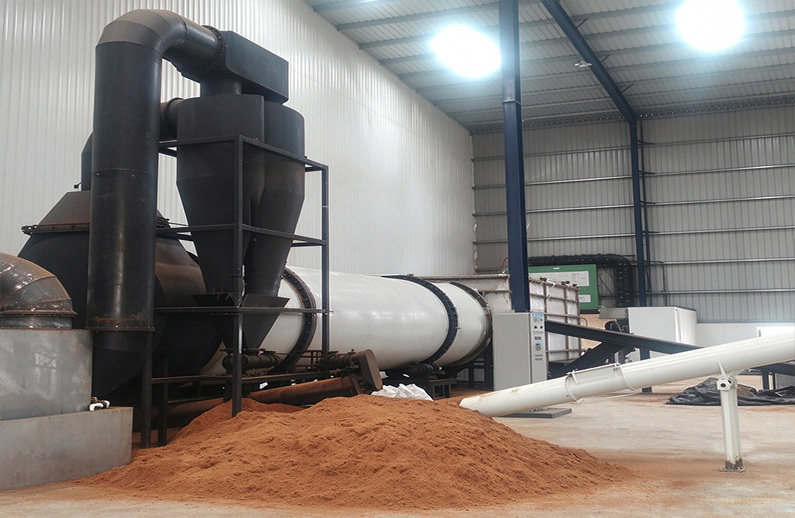
Why Brewers' Spent Grain Needs a Material-Specific Dryer
Brewers' spent grain is a by-product of beer production. Its moisture content and physical behavior vary with the brewing process, the way the material is collected, and how it is stored before drying. These differences directly affect dryer selection.
Sticky Material Can Build Up Inside the Drum
Wet spent grain may adhere to internal surfaces or collect in areas where material movement is poor. Over time, this can interfere with normal operation and increase cleaning requirements. The internal lifting structure and material flow path should therefore be considered during dryer design.
Moisture Must Be Removed Consistently
Drying is not only a matter of applying more heat. The material needs to move through the drying zone under suitable conditions. Incoming moisture, feed rate, hot-air conditions, and residence time all influence the final moisture content.
Feeding and Discharge Affect Overall Performance
Even a properly sized dryer can struggle if wet material enters unevenly or dried material cannot leave the system smoothly. Feeding, conveying, and discharge equipment should be selected as part of the drying system, not treated as separate accessories.
How a Long Drum Rotary Dryer Works
A long drum rotary dryer moves material through a rotating cylindrical drum while hot air supplies the heat needed for moisture removal.
As the drum rotates, internal lifting flights raise and redistribute the material. The material then falls through the hot-air stream and continues moving toward the discharge end.
For wet, sticky spent grain, the lifting-flight arrangement is particularly important. It needs to suit the material's tendency to cling together, as well as the required throughput and drying conditions.
Drum dimensions, internal structure, heat supply, and operating parameters are determined from the actual process requirements. A design suitable for one type of spent grain may not be appropriate for another material with different moisture or flow characteristics.
A Customized Lifting Structure for Sticky Spent Grain
In a spent grain drying project in Chongqing, China, Tongding supplied customized long drum drying equipment. The project addressed problems associated with the customer's existing drying equipment, including:
- Material build-up inside the drum
- Uneven drying
- Insufficient production capacity
The customized design used a patented multi-bend lifting-flight structure. This arrangement was developed to improve how the wet material is lifted and dispersed inside the drum, helping expose the material to the hot-air stream during drying.
The hot-air path and material handling arrangement were also reviewed as part of the equipment configuration.
For sticky materials, these design details matter. The dryer must suit the way the material moves, not just a nominal capacity figure.
Location: Chongqing, China
Reported capacity: 3 tons per hour

What Can Be Included in the Drying System
The long drum rotary dryer is the main equipment. Depending on the project, the surrounding system can be configured to handle material from feeding through drying and discharge.
How to Select the Right Spent Grain Dryer
A reliable equipment recommendation starts with the material and the required production result. Before selecting a dryer, clarify the following points.
| Parameter | What to Clarify |
|---|---|
| Material Type | Confirm whether the material is brewers' spent grain, distillers grains, or another wet by-product. These materials should not automatically be treated as interchangeable. |
| Initial Moisture Content | The moisture level of the incoming material determines how much water needs to be removed. |
| Target Final Moisture | The required outlet moisture affects the drying duty and operating conditions. |
| Required Capacity | Specify whether the capacity means wet material entering the dryer or dried product leaving it. This distinction is essential when comparing quotations. |
| Available Heat Source | Tell us which fuels or energy sources are available at your site. Energy costs and local operating conditions can affect the choice of heating system. |
| Operating Schedule | Daily operating hours and the expected production schedule help determine the required equipment capacity. |
| Site Conditions | Available floor space, building height, material storage, and equipment access should be considered during layout planning. |
With this information, the dryer can be evaluated against your actual requirements rather than selected on capacity alone.
For New Installations and Existing Dryer Replacement
Tongding can discuss long drum rotary drying equipment for new projects and existing production facilities.
For a new installation, the equipment layout can be planned around required capacity, available space, heat source, and downstream process.
For an existing plant, the first step is to understand what is going wrong:
- Is wet material sticking to the drum?
- Is the feed inconsistent?
- Does the finished product have uneven moisture?
- Is actual throughput below the required level?
These problems may have different causes:
| Problem | Possible Area to Review |
|---|---|
| Material sticking to drum | Lifting-flight structure, internal surface, material residence time |
| Uneven feed | Feeding arrangement, material consistency, hopper design |
| Uneven final moisture | Hot-air path, residence time, feed rate control |
| Throughput below target | Dryer sizing, heat supply capacity, discharge arrangement |
Reviewing the current equipment, material conditions, and operating data helps identify which parts of the drying system need to be reconsidered.
Replacing a dryer without reviewing the original process conditions may leave the underlying problem unresolved.
Why Work with Tongding
Experience with Challenging Drying Materials
Different materials behave differently during drying. Equipment selection should account for moisture, stickiness, material movement, and the required finished-product condition.
A Relevant Spent Grain Project
Tongding's Chongqing project provides a reference for customized spent grain drying equipment designed around wet, sticky material.
Equipment and Supporting Systems
The main dryer can be considered alongside feeding, conveying, heating, dust collection, and other required equipment, depending on the agreed project scope.
Technical Discussions Based on Your Process
A useful proposal should explain the assumptions behind the selected capacity and configuration. Material properties, moisture reduction, and operating conditions should be reviewed before finalizing the equipment specification.
Frequently Asked Questions
It is used to reduce the moisture content of spent grain generated during beer production. The required configuration depends on the material condition, target moisture, and production capacity.
It can be configured for suitable wet materials, but the result depends on the material properties and dryer design. The lifting-flight structure, feeding arrangement, hot-air conditions, and discharge system all need to be considered. Please provide initial moisture, target final moisture, and material handling characteristics for technical evaluation.
Capacity is project-specific. It should be stated clearly as wet feed input or dried-product output, together with the relevant moisture conditions and operating schedule.
The achievable final moisture depends on incoming material, target specification, processing capacity, and operating conditions. Please provide the initial and required final moisture contents for technical evaluation.
The heating arrangement depends on equipment configuration, local fuel availability, operating costs, and project requirements. The suitable option should be confirmed during technical evaluation.
Yes, these systems can be considered as part of the project scope. The quotation should list the included equipment and clearly identify any items supplied separately.
This page covers spent grain drying equipment and its related supporting systems. Upstream fermentation, microbial culture development, and fermentation process guarantees are separate requirements and should not be assumed to be included. If your project requires these processes, they must be confirmed independently before the supply scope is agreed.
Please send the material type, initial moisture, target final moisture, required capacity, available heat source, and installation location. Photos or a material sample description can also help the engineering team understand the application.
Request a Spent Grain Rotary Dryer Proposal
Every drying project has its own material conditions and production requirements. Share the details below so we can evaluate the equipment configuration for your application.
Please provide:
Material type
Initial moisture content
Required final moisture content
Required capacity and operating hours
Available heat source
Installation country and site conditions
Required supporting equipment
Contact Tongding Machinery to discuss your brewers' spent grain drying project.
* Free equipment selection report, customized layout drawing, and budget estimate within 24 hours
Applicable Materials
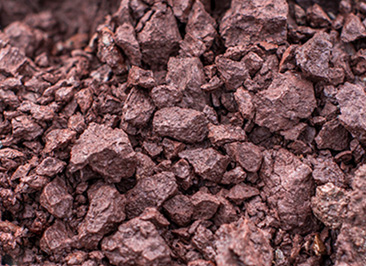
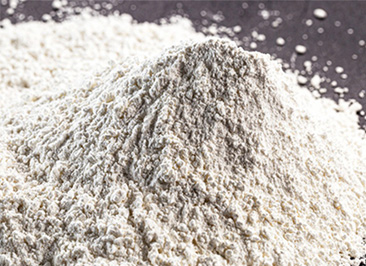
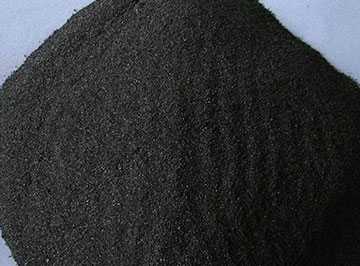
Iron Powder
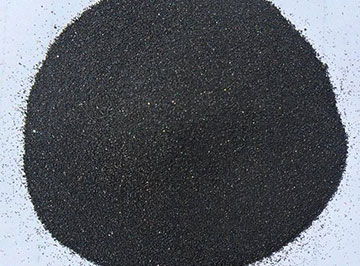
Titanium Powder
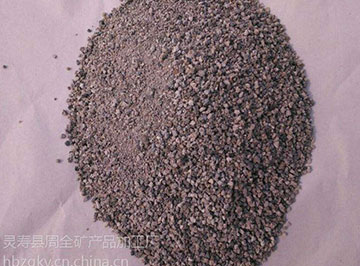
Slag
Specifications
|
Model |
Capacity(t/h) |
Initial Moisture |
Final Moisture |
Motor Power |
|
φ2.5×22 |
25–35 T/H |
10–26% |
1% |
37 KW |
|
φ3×20 |
30–40 T/H |
10–26% |
1% |
55 KW |
|
φ3.2×32 |
40–50 T/H |
10–26% |
1% |
90 KW |
|
φ3.6×36 |
50–70 T/H |
10–26% |
1% |
110 KW |
|
φ4×40 |
70–90 T/H |
10–26% |
1% |
160 KW |
Related Products
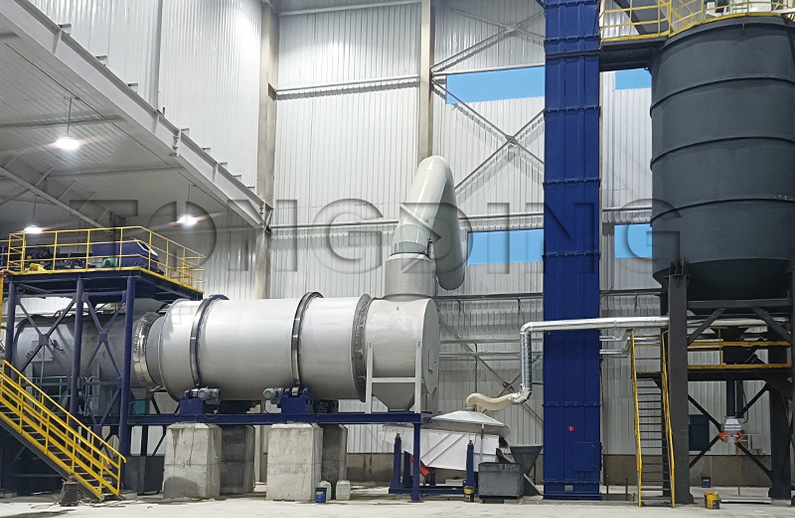
Silica Sand Dryer
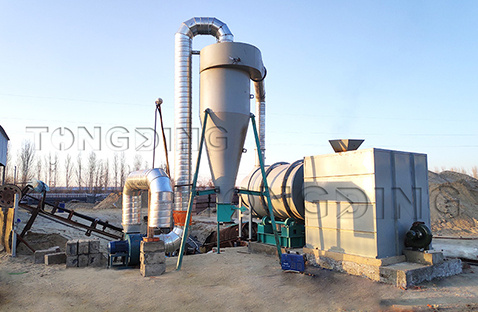
Industrial silica sand dryer machine for drying quartz sand, glass sand, and mortar sand with high efficiency and low fuel consumption. Triple-pass rotary dryer design improves heat exchange efficiency and reduces operating cost. Moisture can be reduced below 0.5% with stable capacity and continuous operation. Widely used in dry mortar plants, glass factories, and mining processing industries.
Industrial Salt Dryer
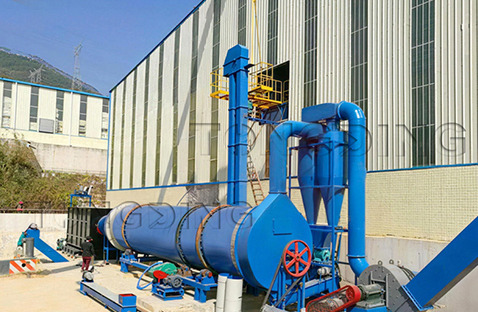
Industrial salt rotary drum dryer engineered for crystallized salt, sea salt, rock salt and chemical slag. All contact parts fabricated from AISI 304L stainless steel with 0.4um mirror polish. Indirect hot air generator keeps flue gas away from salt. Capacity range 5–60+ TPH, final moisture ≤0.5%. Patented zero-horizontal-thrust drive cuts power consumption by 30%+. CE, TÜV, SGS and ISO 9001 certified.
Distillers Grains Dryer
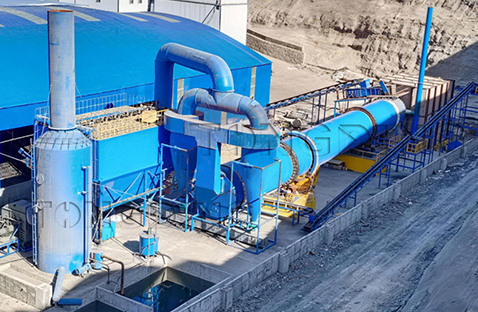
Features: Mining: Coal slime, lepidolite, bentonite, kaolin, fluorite powder Environmental Protection: Resource recovery from organic solid waste such as sludge and distillery grains,distillers’ grains Construction Materials: Gypsum, clay, slag Chemical Industry: Titanium concentrate powder, pyrite powder New Energy: Drying of anode materials such as lithium slag Typical Capacity: 1–50 t/h (customizable according to customer requirements)
Organic Manure Drying
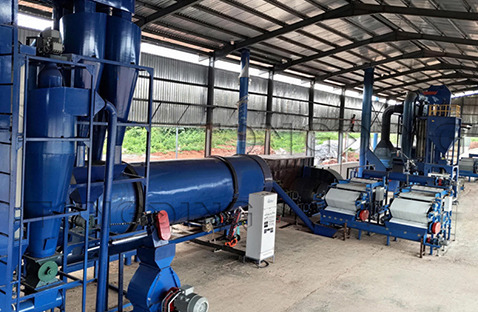
This dryer is designed to accommodate various materials including cow dung, chicken manure, poultry manure, sawdust, wood flour, wood chips, wood shavings, barley straw, oat straw, wheat straw, rye straw, rice straw, broom corn straw, peanut vine, corn straw, and others.
Sludge dryer
This equipment is specifically designed for materials characterized by high moisture content, high viscosity, and fine particle size. It is widely used across industries such as construction materials, metallurgy, environmental protection, mining, petrochemicals, casting, and chemicals. It complements the triple-pass dryer: while the triple-pass dryer is suited for materials with low moisture and good flowability (such as aggregates), the long-cylinder dryer handles materials with high moisture and viscosity (such as coal slime, lithium slag, gypsum, and bentonite).
Sea Sand Dryer
Materials is sent into stock bin by belt conveyor or bucket elevator, then conveyed from material silo to belt conveyor by disk feeder, belt conveyor carry materials into feed pipe.