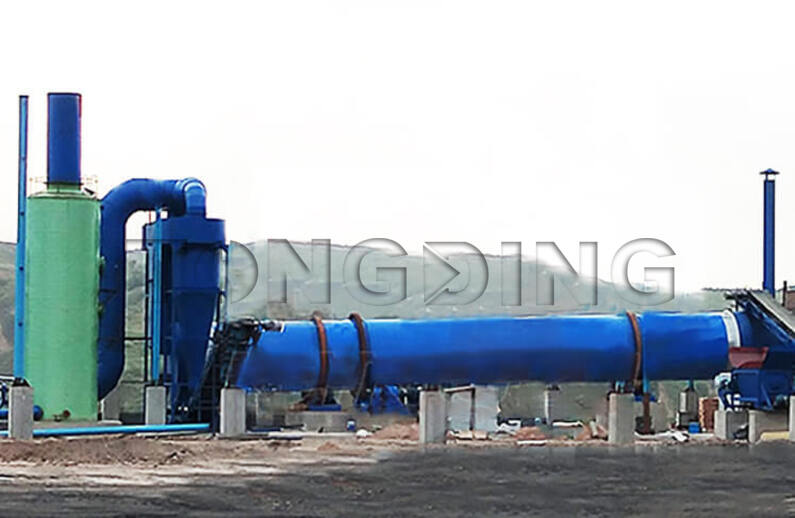
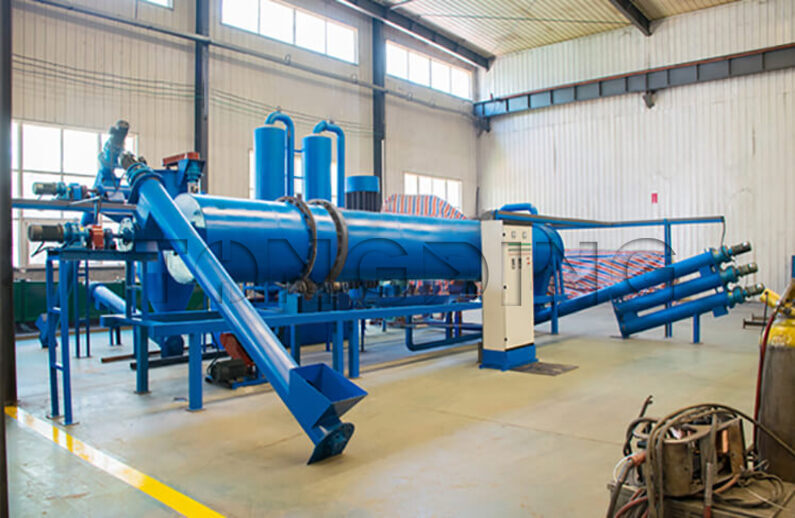
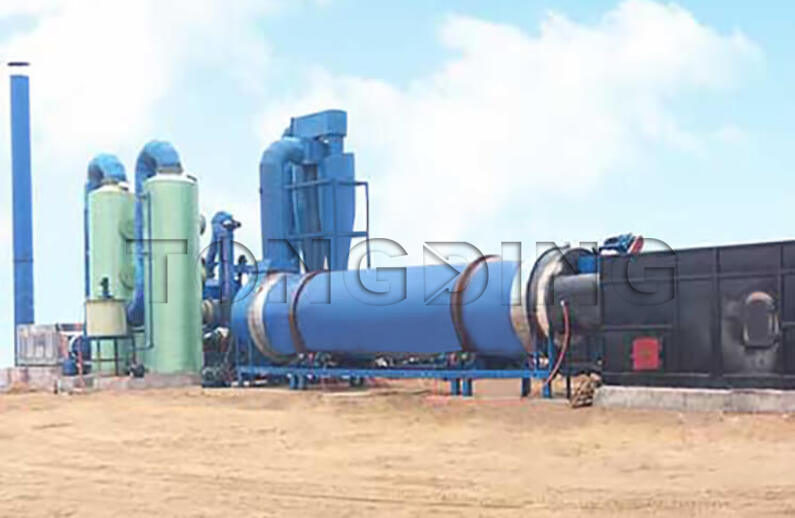
Single cylinder dryer
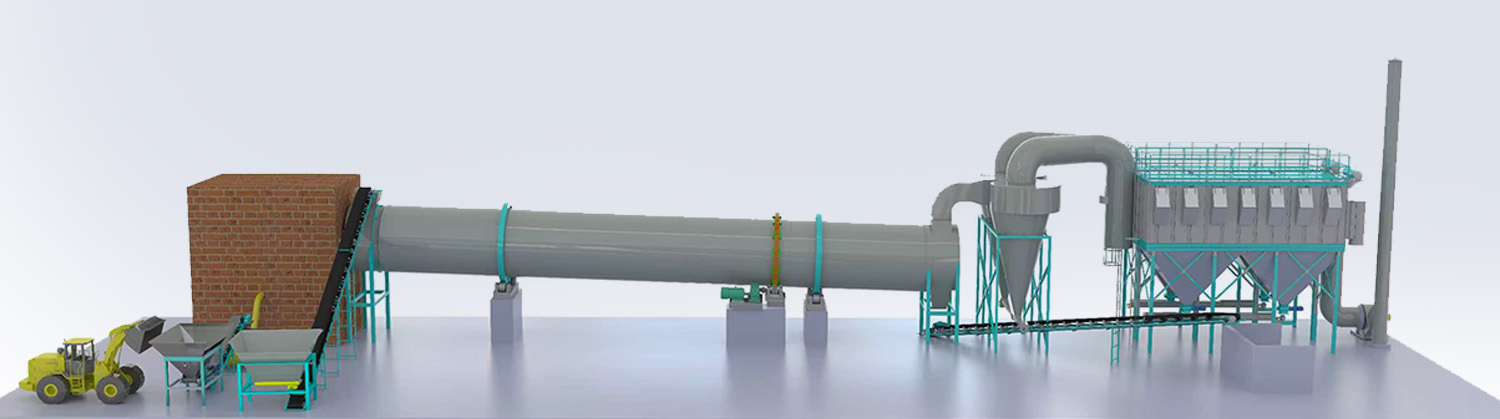
Wet material → rotating drum → hot air (gas/diesel/coal/biomass) → lifting plates create material curtain → moisture evaporates (10–26% → ≤1%) → dry material discharged. Dust collection ensures eco-compliance.
Features:
- Capacity: 25–90 T/H (high output for continuous industrial production)
- Heat Source: Natural gas, diesel, coal, biomass – flexible and energy-efficient
- Moisture: Handles initial moisture 10–26%, reduces to approx. 1% final moisture
- Raw Materials: Coal slime, clay, gypsum, sludge, kaolin, lithium mica, iron powder, steel slag, sand, ore powder, mortar materials, petroleum coke, industrial residues, etc.
Single Drum Dryer
– High Capacity, Energy Saving, Wide Material Range
Key Advantages
- High Capacity: 25–90 T/H, continuous large-scale production
- Wide Material Range: Coal slime, clay, gypsum, sludge, kaolin, lithium mica, iron powder, steel slag, sand, ore, mortar materials, petroleum coke, industrial residues, etc.
- Moisture Reduction: From 10–26% initial to ≤1% final moisture
- Flexible Fuel Options: Natural gas, diesel, coal, biomass – choose the most economical source
- Energy Efficient: Optimized lifting plates reduce heat consumption by approx. 20%
- Anti-Sticking Design: Special internal structure prevents buildup of sticky materials
- Stable & Reliable: Simple design, low maintenance, long service life
- Eco-Friendly: Pulse bag filter + cyclone dust collector meets environmental standards
Working Principle
- Feeding: Wet material enters the rotating drum via a conveyor or feeder at a controlled rate.
- Hot Air Generation: Burner produces high-temperature air (750–1000°C) using gas, diesel, coal, or biomass.
- Lifting & Cascading: Internal lifting plates raise and scatter the material, forming a uniform “material curtain” for maximum heat contact.
- Moisture Evaporation: Direct heat exchange transfers thermal energy to the material, reducing moisture from 10–26% down to ≤1%.
- Discharge: Dried material exits the drum and moves to storage or next process. Dust is removed by cyclones and bag filters for clean exhaust.
Key advantage: Continuous, stable operation with high thermal efficiency and low maintenance.
Our Advantages:
30% Energy Saving
Anti-Blocking Design
Low Maintenance
5-Year Warranty
CE Certified
Customized Capacity
Applicable Materials
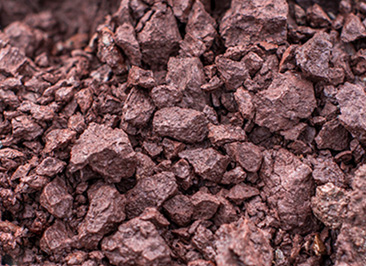
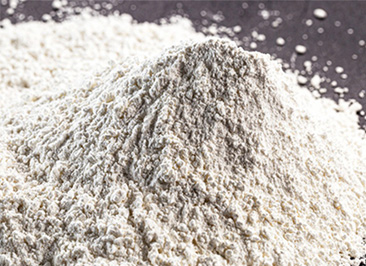
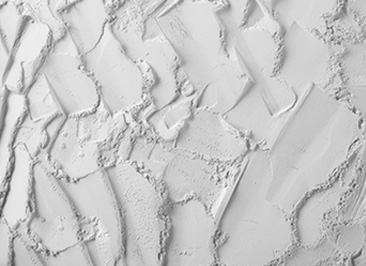
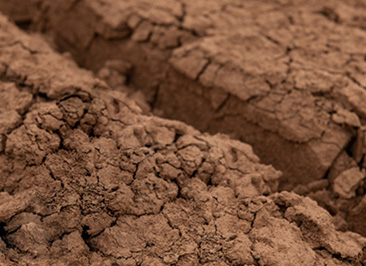
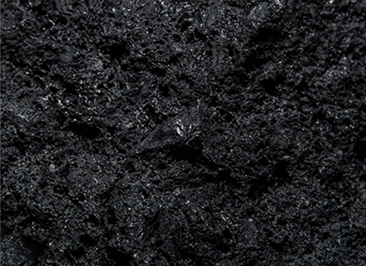
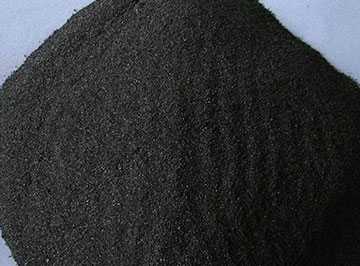
Iron Powder
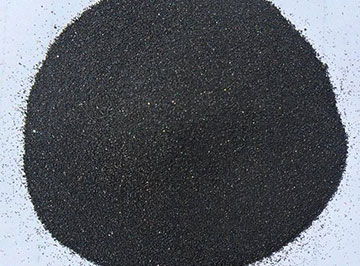
Titanium Powder
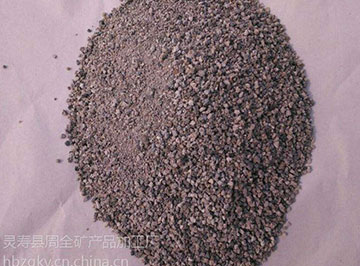
Slag
Specifications
|
Model |
Capacity(t/h) |
Initial Moisture |
Final Moisture |
Motor Power |
|
φ2.5×22 |
25–35 T/H |
10–26% |
1% |
37 KW |
|
φ3×20 |
30–40 T/H |
10–26% |
1% |
55 KW |
|
φ3.2×32 |
40–50 T/H |
10–26% |
1% |
90 KW |
|
φ3.6×36 |
50–70 T/H |
10–26% |
1% |
110 KW |
|
φ4×40 |
70–90 T/H |
10–26% |
1% |
160 KW |
Related Products
Silica Sand Dryer
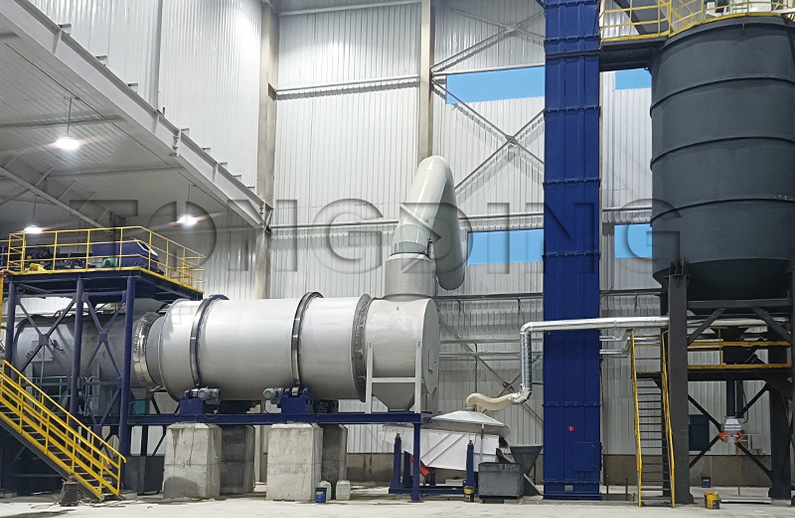
Industrial silica sand dryer machine for drying quartz sand, glass sand, and mortar sand with high efficiency and low fuel consumption. Triple-pass rotary dryer design improves heat exchange efficiency and reduces operating cost. Moisture can be reduced below 0.5% with stable capacity and continuous operation. Widely used in dry mortar plants, glass factories, and mining processing industries.
Self-Leveling Mortar Production Line
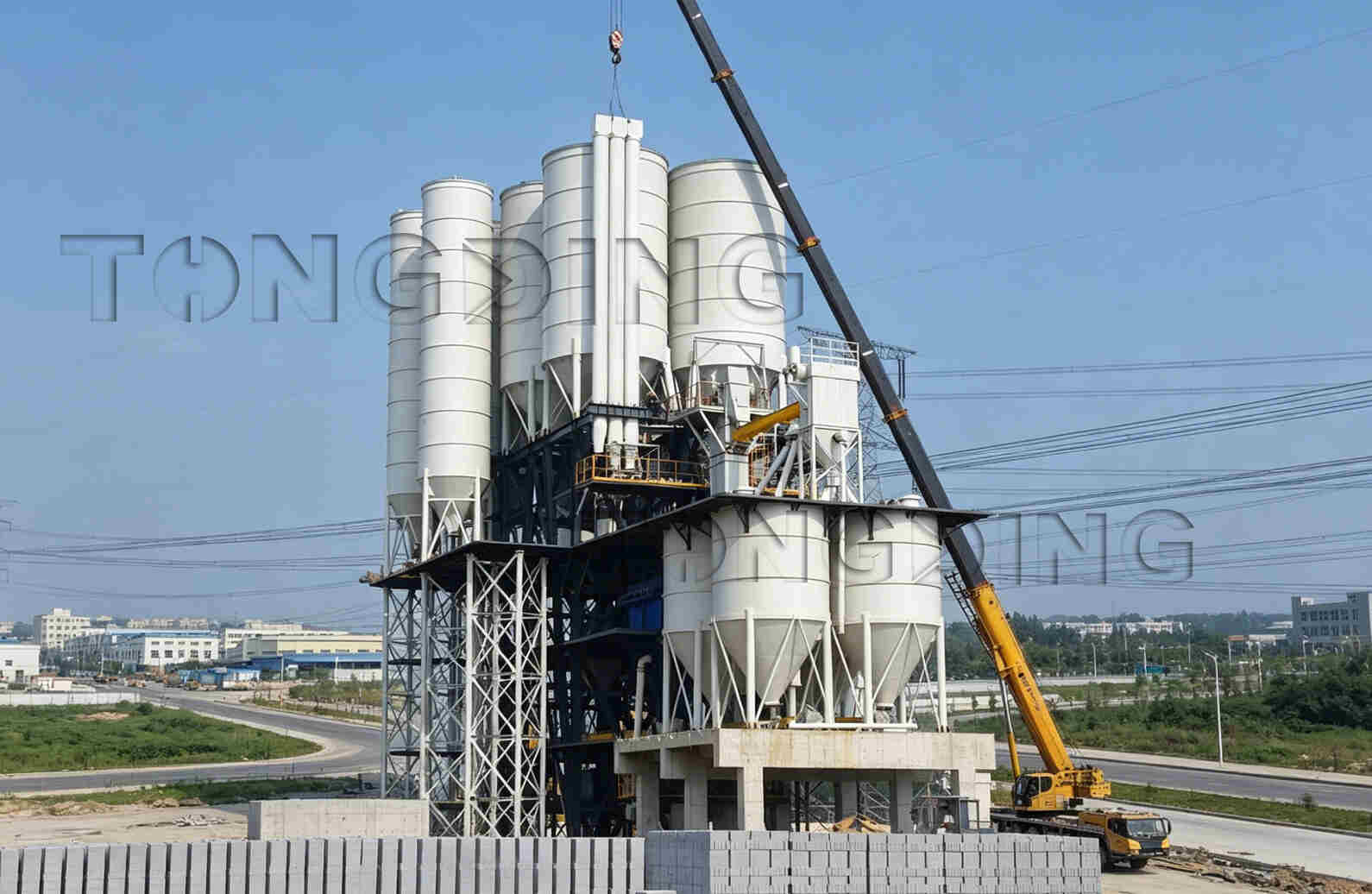
Self-Leveling Mortar Production Line is a complete automated solution for manufacturing high-performance floor leveling compounds. The system integrates raw material storage, precision batching, additive dosing, high-efficiency mixing, packaging, and PLC control to ensure stable product quality, high productivity, and low operating costs. Suitable for producing cement-based self-leveling mortar, gypsum self-leveling compounds, floor screed mortar, and related dry mix products.cementbased selfleveling mortar supplier in china.
Industrial Salt Dryer
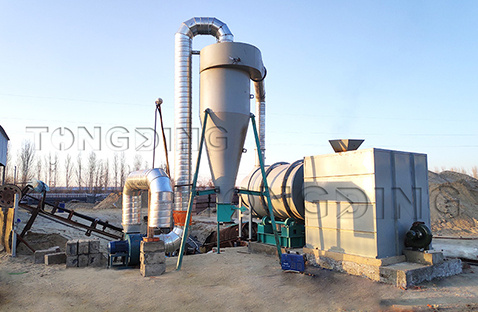
Industrial salt rotary drum dryer engineered for crystallized salt, sea salt, rock salt and chemical slag. All contact parts fabricated from AISI 304L stainless steel with 0.4um mirror polish. Indirect hot air generator keeps flue gas away from salt. Capacity range 5–60+ TPH, final moisture ≤0.5%. Patented zero-horizontal-thrust drive cuts power consumption by 30%+. CE, TÜV, SGS and ISO 9001 certified.
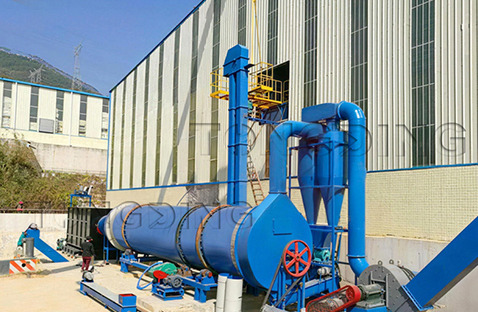
Distillers Grains Dryer
Features: Mining: Coal slime, lepidolite, bentonite, kaolin, fluorite powder Environmental Protection: Resource recovery from organic solid waste such as sludge and distillery grains,distillers’ grains Construction Materials: Gypsum, clay, slag Chemical Industry: Titanium concentrate powder, pyrite powder New Energy: Drying of anode materials such as lithium slag Typical Capacity: 1–50 t/h (customizable according to customer requirements)
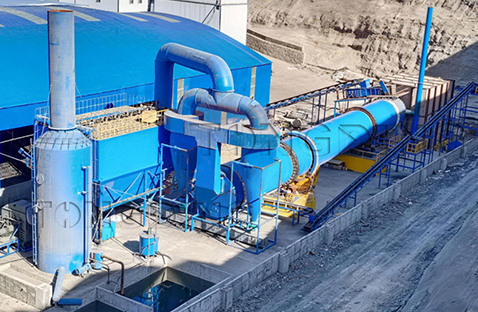
Organic Manure Drying
This dryer is designed to accommodate various materials including cow dung, chicken manure, poultry manure, sawdust, wood flour, wood chips, wood shavings, barley straw, oat straw, wheat straw, rye straw, rice straw, broom corn straw, peanut vine, corn straw, and others.
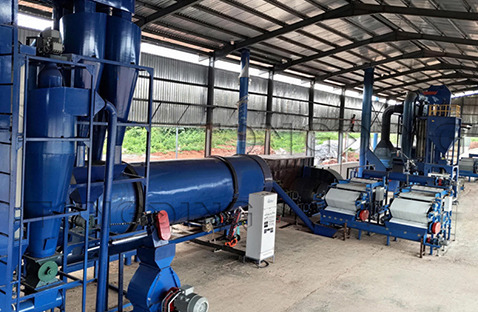
Sludge dryer
This equipment is specifically designed for materials characterized by high moisture content, high viscosity, and fine particle size. It is widely used across industries such as construction materials, metallurgy, environmental protection, mining, petrochemicals, casting, and chemicals. It complements the triple-pass dryer: while the triple-pass dryer is suited for materials with low moisture and good flowability (such as aggregates), the long-cylinder dryer handles materials with high moisture and viscosity (such as coal slime, lithium slag, gypsum, and bentonite).