Sea Sand Dryer
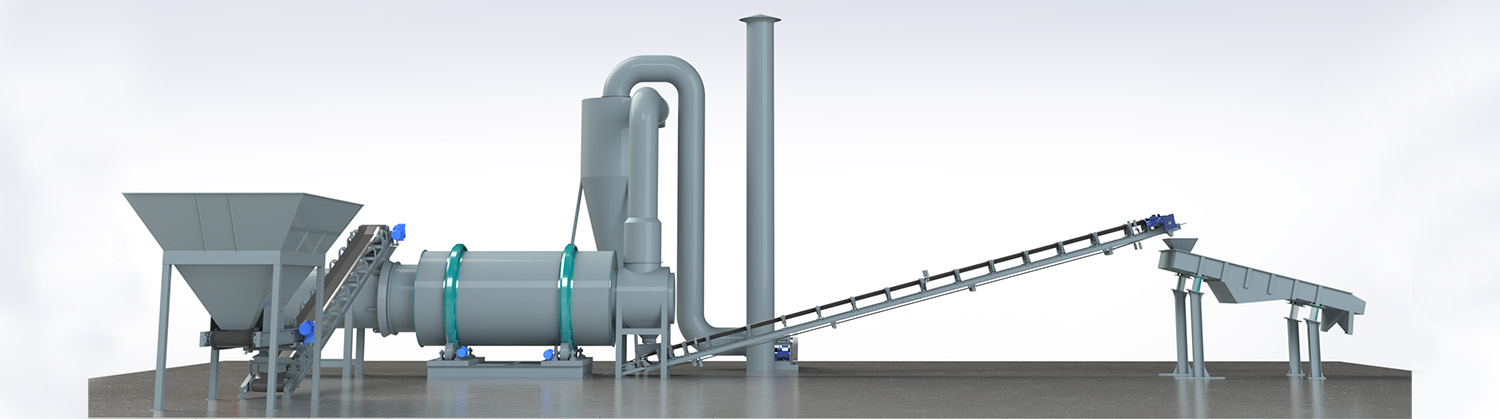
Our industrial rotary dryers are versatile, high-efficiency solutions tailored to process awide range of granular and powdery materials.
Features:
- Capacity: 3-120 T/H (Customizable)
- Moisture Reduction: 25% → 3%
- Heat Source: Coal / Gas / Biomass
- Powdery materials: marine and construction sands, including sea sand, river sand, natural sand, quartz sand, and washed sand with high moisture content.
Working Principle
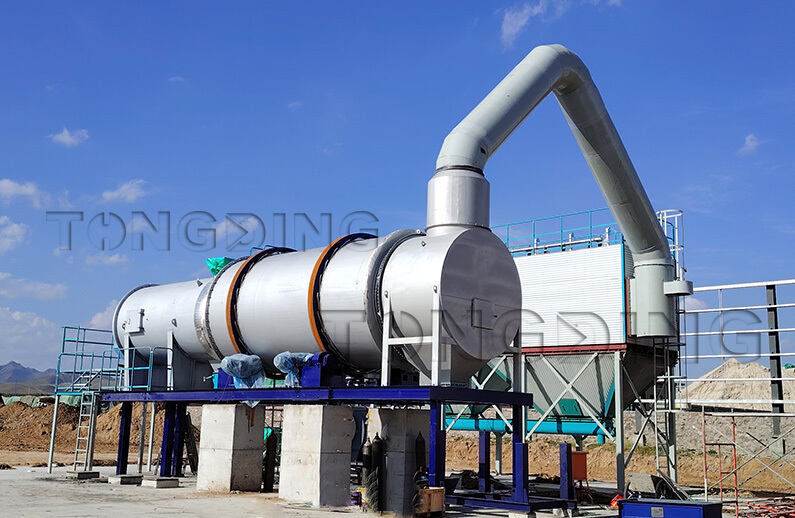
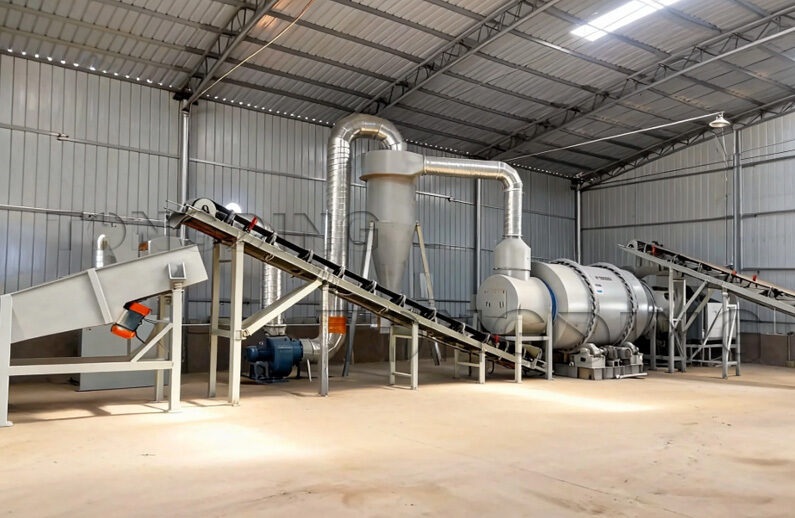
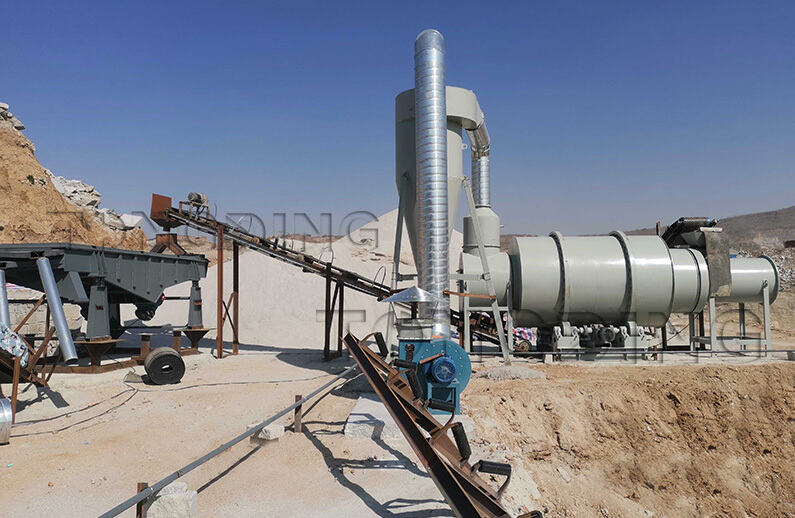
Sea sand is fed into a rotary drum dryer via conveying equipment, where it is dried by high-temperature hot air generated from a heat source. Inside the drum, the material is continuously lifted and dispersed, ensuring full heat exchange and rapid moisture evaporation.
Dust-laden exhaust gas is treated by a cyclone separator and dust collection system for emission compliance and dust recovery. The material moves forward along the inclined drum and is discharged with stable moisture content. The dried sand is then conveyed to screening or storage systems, ensuring stable and efficient operation.
Applicable Materials
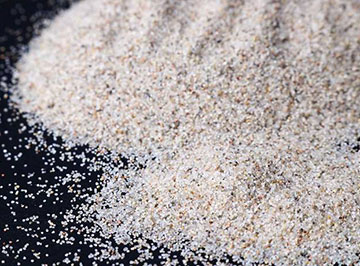
Facturing Sand
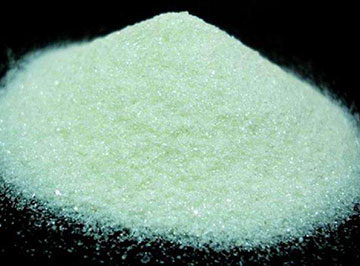
Glass Sand
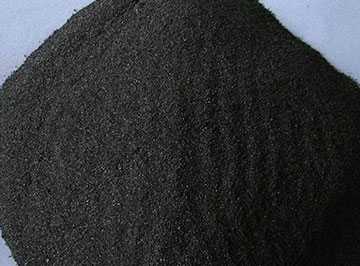
Iron Powder
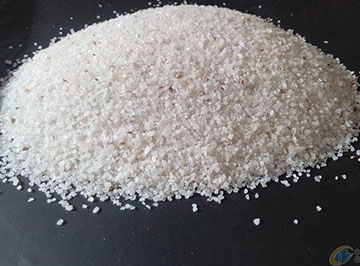
Quartz Sand
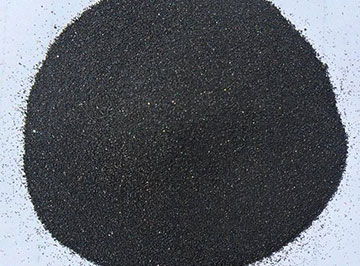
Titanium Powder
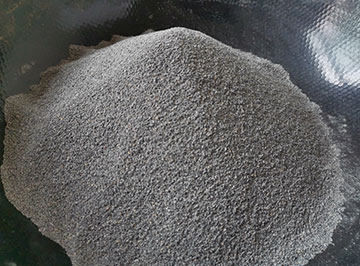
Machine-made Sand
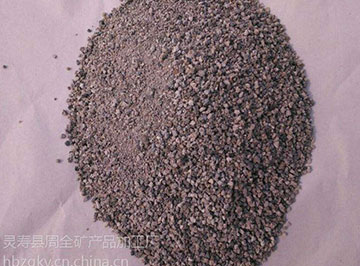
Slag
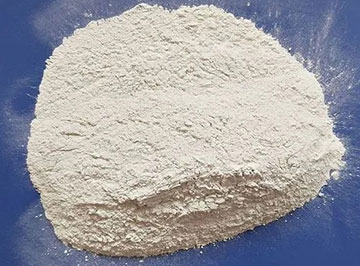
Stone Powder
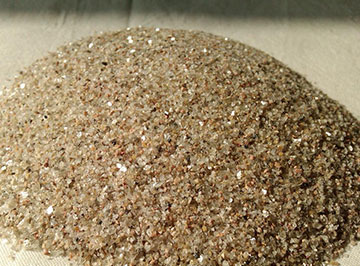
River Sand
Specifications
| Model | Power(KW) | Capacity(T/H) | Rotary speed (r/min) | Installation Angle | final Moisture | Heat Supply Mode |
| HG1625 | 4kw | 3-8 t/h | 9 | Aclinic | ≤0.5% | 1) Firewood 2) Pulverized coal 3) Diesel 4) Natural gas 5) not carbonizedbiomass fuel 6) carbonizedbiomass fuel |
| HG2240 | 7.5kw | 10-15 t/h | 9 | |||
| HG2250 | 7.5kw | 20t/h | 9 | |||
| HG2958 | 5.5kw*4 | 30t/h | 7 | |||
| HG3270 | 11kw*4 | 60t/h | 7 | |||
| HG3890 | 15kw*4 | 100t/h | 7 |
Related Products
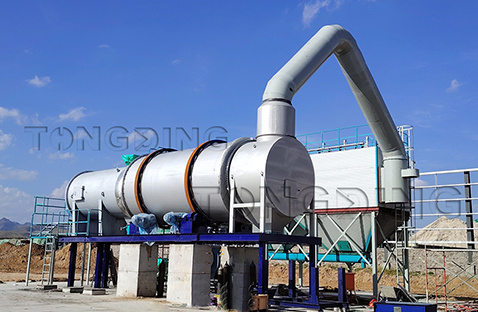
Sea Sand Dryer
Materials is sent into stock bin by belt conveyor or bucket elevator, then conveyed from material silo to belt conveyor by disk feeder, belt conveyor carry materials into feed pipe.
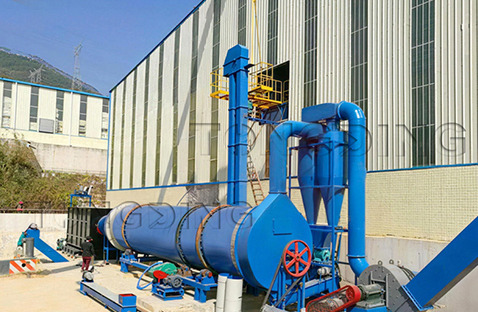
Distillers Grains Dryer
Features: Mining: Coal slime, lepidolite, bentonite, kaolin, fluorite powder Environmental Protection: Resource recovery from organic solid waste such as sludge and distillery grains,distillers’ grains Construction Materials: Gypsum, clay, slag Chemical Industry: Titanium concentrate powder, pyrite powder New Energy: Drying of anode materials such as lithium slag Typical Capacity: 1–50 t/h (customizable according to customer requirements)
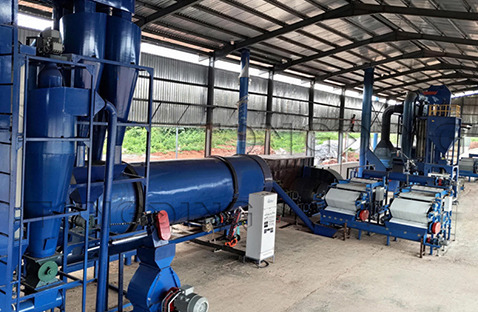
Sludge dryer
This equipment is specifically designed for materials characterized by high moisture content, high viscosity, and fine particle size. It is widely used across industries such as construction materials, metallurgy, environmental protection, mining, petrochemicals, casting, and chemicals. It complements the triple-pass dryer: while the triple-pass dryer is suited for materials with low moisture and good flowability (such as aggregates), the long-cylinder dryer handles materials with high moisture and viscosity (such as coal slime, lithium slag, gypsum, and bentonite).
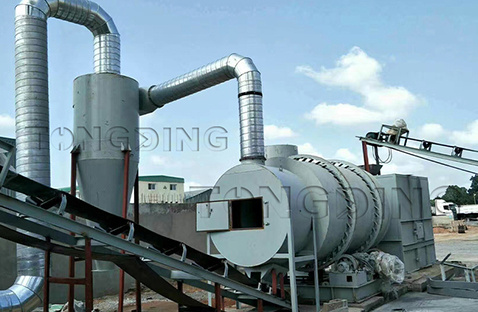
Sand Dryer Production Line
Drying: Through disk feeder and wet sand belt conveyor, feed wet sand from moist-material bin to rotary dryer for drying, heated by gas combustion chamber.