Sludge dryer
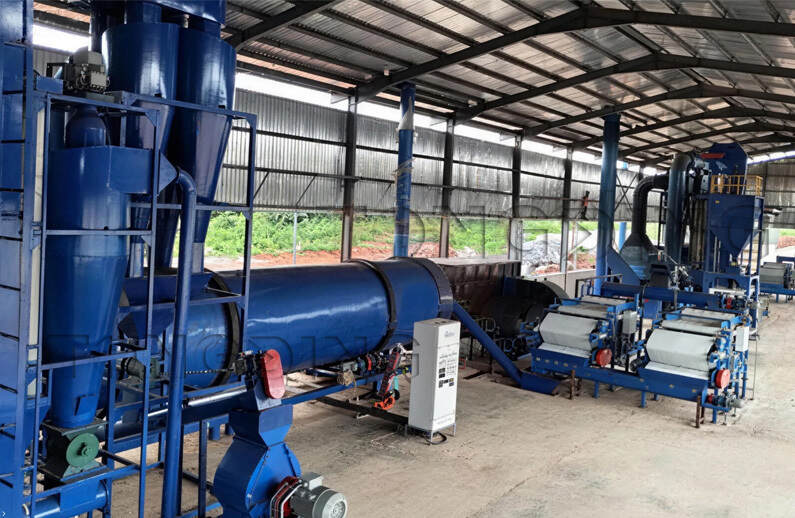
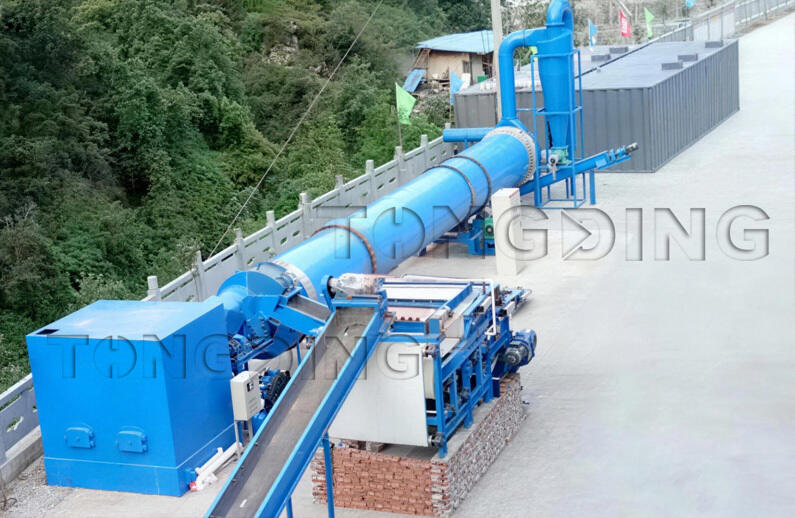
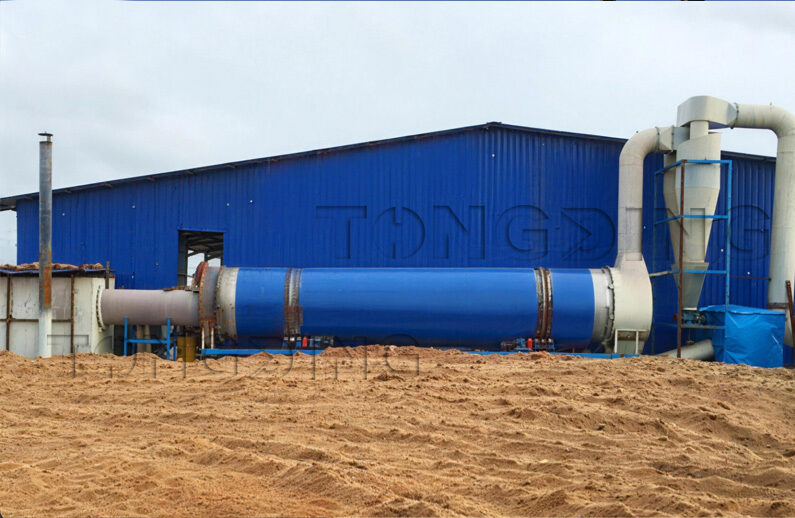
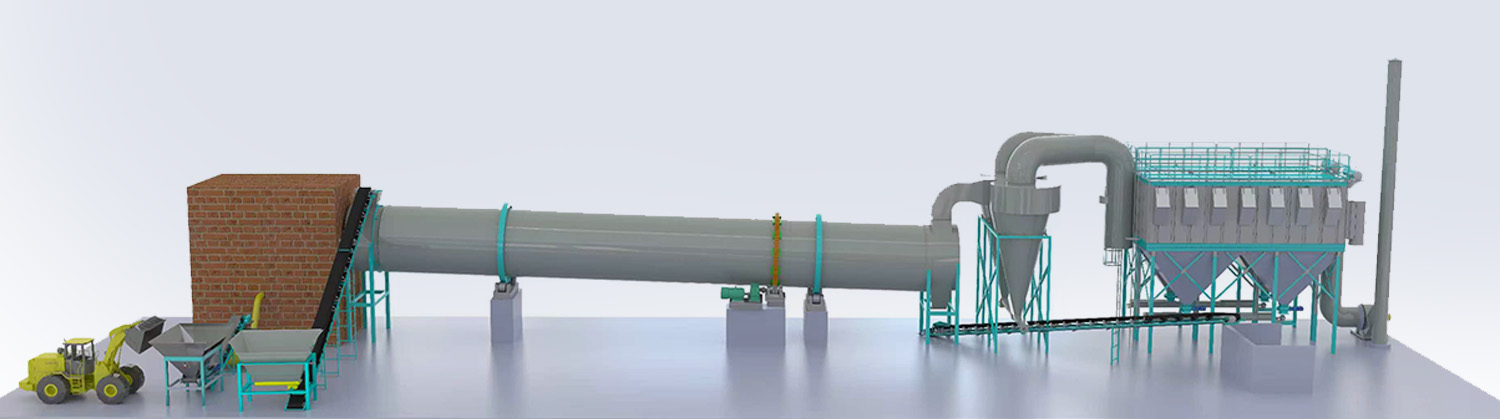
The single drum dryer : Different intermal blades and arrangement forms can be matched according tothe specific characteristics of different materials, ensuring longer service lifeand higher stability.
Features:
- capacity: 30-300t/d (Customizable)
- Heat Source: Suitable for biomass, natural gas, diesel, coal, etc.
- Scope of Application: Yellow sand, river sand, sea sand, iron concentrate, quartz sand, blast furnaceslag, raw coal, fly ash, kaolin, mineral sludge, lithium mica, coal slime, clay,gypsum, sludge, lead-zinc tailings, chicken manure, grain, traditional Chinesemedicine residue, and other high-moisture, high-viscosity materials.
Working Principle
Wet material is transported to a hopper via a belt conveyor or bucket elevator and then fed into the inlet end through a feed pipe. The slope of the feed pipe must exceed the material's natural angle of repose to ensure smooth flow into the dryer.
The dryer consists of a rotating cylindrical shell inclined slightly relative to the horizontal; material enters at the higher end, while the heating medium enters at the lower end, creating counter-current contact (though co-current flow is also possible). As the cylinder rotates, gravity causes the material to move toward the lower end.
As the wet material moves forward within the cylinder, it is dried through direct or indirect heat transfer from the heating medium and is subsequently discharged via a belt conveyor or screw conveyor. Lifting flights (lifters) are installed on the inner wall of the cylinder to lift and shower the material, thereby increasing the contact surface area between the material and the gas stream, enhancing the drying rate, and facilitating material movement.
The heating medium is typically hot air or flue gas. Upon exiting the dryer, the gas usually passes through a cyclone separator to recover any entrained material; if further reduction of dust content in the exhaust gas is required, the gas is passed through a bag filter or wet scrubber before discharge.
Specifications
|
Model |
Input (t/h) |
Output (t/h) |
Evaporation Capacity (t/h) |
Total Power (kw) |
Total Weight (kg) |
Plant Area (m²) |
Initial Moisture (%) |
Final Moisture (%) |
Drying Temperature (℃) |
|
TDFPS04 |
0.85 |
0.4 |
0.45 |
34 |
22000 |
5m*15m |
60±5% |
15% (Adjustable) |
350±30 |
|
TDFPS075 |
1.6 |
0.75 |
0.85 |
45 |
28000 |
6m*22m |
|||
|
TDFPS136 |
2.89 |
1.36 |
1.53 |
78 |
40000 |
8m*16m |
|||
|
TDFPS173 |
3.68 |
1.73 |
1.95 |
90 |
45000 |
8m*18m |
|||
|
TDFPS189 |
4.02 |
1.89 |
2.13 |
105 |
50000 |
8m*20m |
|||
|
TDFPS233 |
4.95 |
2.33 |
2.62 |
125 |
60000 |
10m*20m |
|||
|
TDFPS275 |
5.84 |
2.75 |
3.09 |
140 |
68000 |
10m*24m |
|||
|
TDFPS318 |
6.75 |
3.18 |
3.57 |
155 |
76000 |
10m*24m |
Related Products
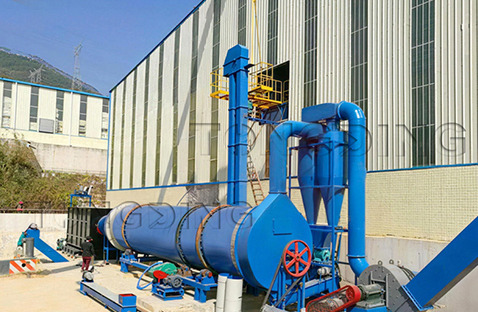
Distillers Grains Dryer
Features: Mining: Coal slime, lepidolite, bentonite, kaolin, fluorite powder Environmental Protection: Resource recovery from organic solid waste such as sludge and distillery grains,distillers’ grains Construction Materials: Gypsum, clay, slag Chemical Industry: Titanium concentrate powder, pyrite powder New Energy: Drying of anode materials such as lithium slag Typical Capacity: 1–50 t/h (customizable according to customer requirements)
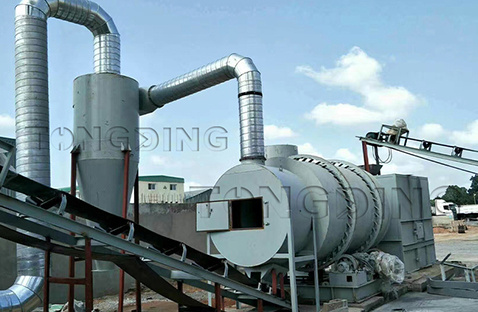
Sand Dryer Production Line
Drying: Through disk feeder and wet sand belt conveyor, feed wet sand from moist-material bin to rotary dryer for drying, heated by gas combustion chamber.
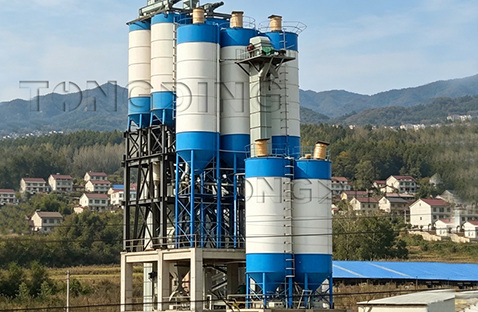
Masonry Mortar Production Line
Fully automatic masonry mortar production line 5-100 TPH. PLC control, sand drying, twin shaft mixer, packing, palletizing. Low labor cost, high uniformity. Custom layout, installation, 5-year warranty. Get free quote.
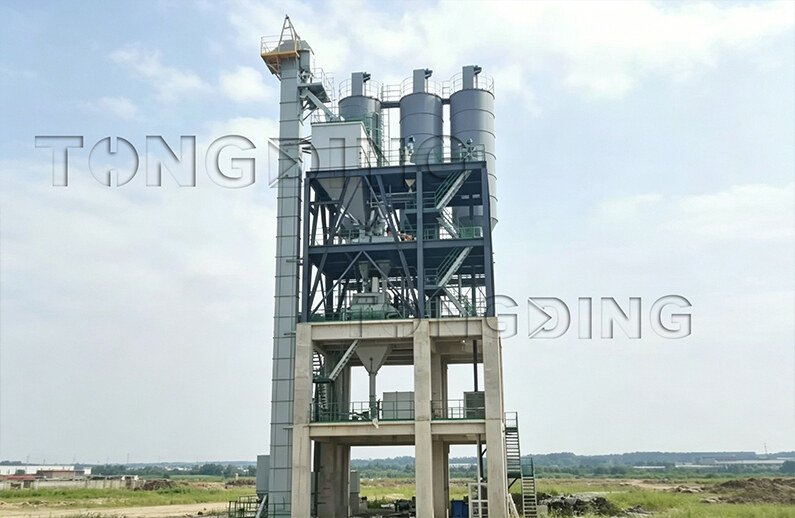
Automatic Wall Putty Production Line
Tongding Automatic Wall Putty Production Line is designed for the efficient production of interior wall putty, exterior wall putty, waterproof putty, skim coat, and polymer-modified putty products. The complete system integrates automatic batching, conveying, mixing, packing, and PLC control, helping manufacturers improve productivity, reduce labor costs, and maintain stable product quality. Capacities range from 5 TPH to 100 TPH with customized turnkey solutions available.