
Bulk Bag Unloading System for Powder Materials
Bulk Bag Unloading System for Powder Materials
Structure, discharge paths and common questions about FIBC unloading for powder plants—–Dry Mortar Packing Machine
A bulk bag unloading system transfers powder from FIBCs into a downstream process, silo or packing line. This article focuses on two things: how the system is structured, and the questions buyers ask most often when selecting one.
Structure Guide + FAQ | Direct Feed or Silo Storage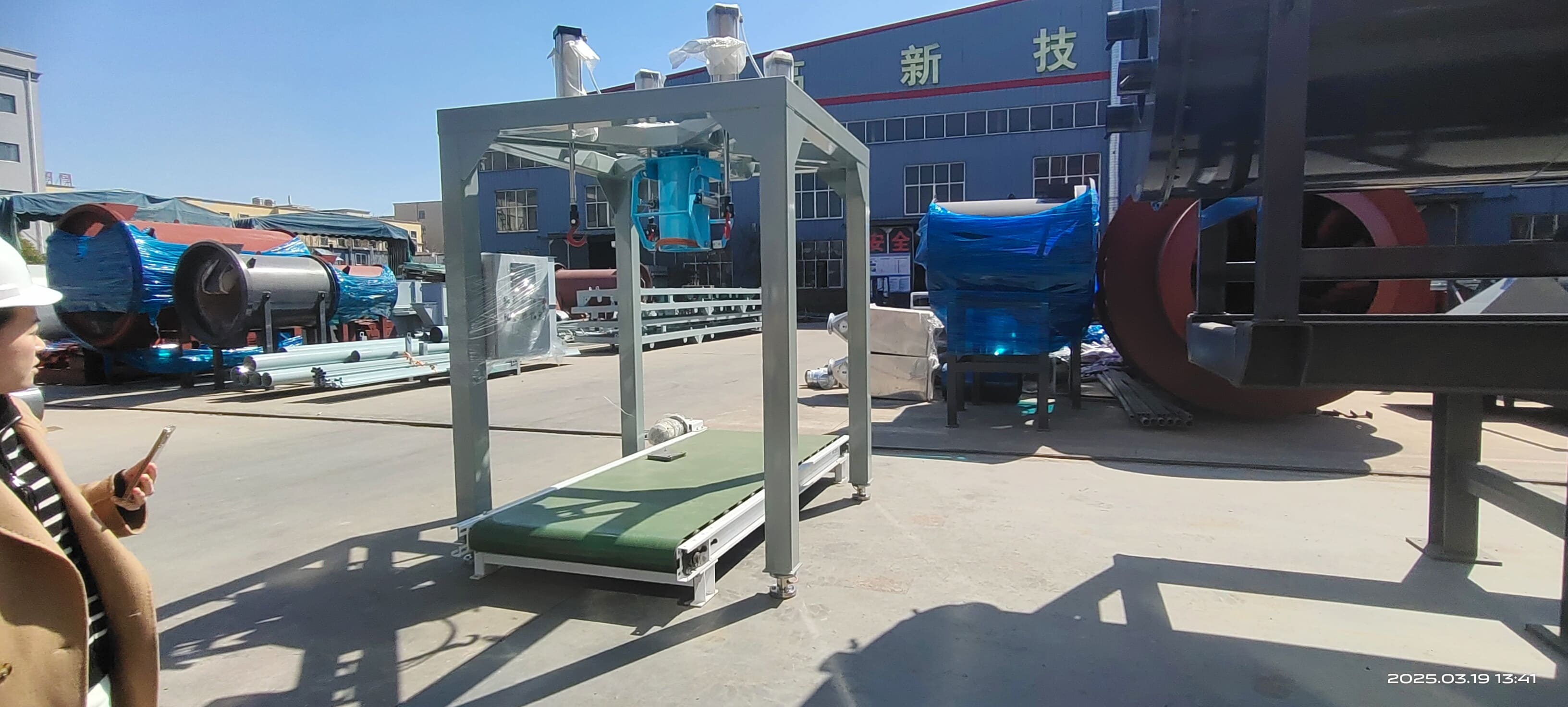
Part 1 – How the Unloading System Is Structured
The system is not a single machine. It is a sequence of stages, and the number of stages depends on where the material goes after unloading.
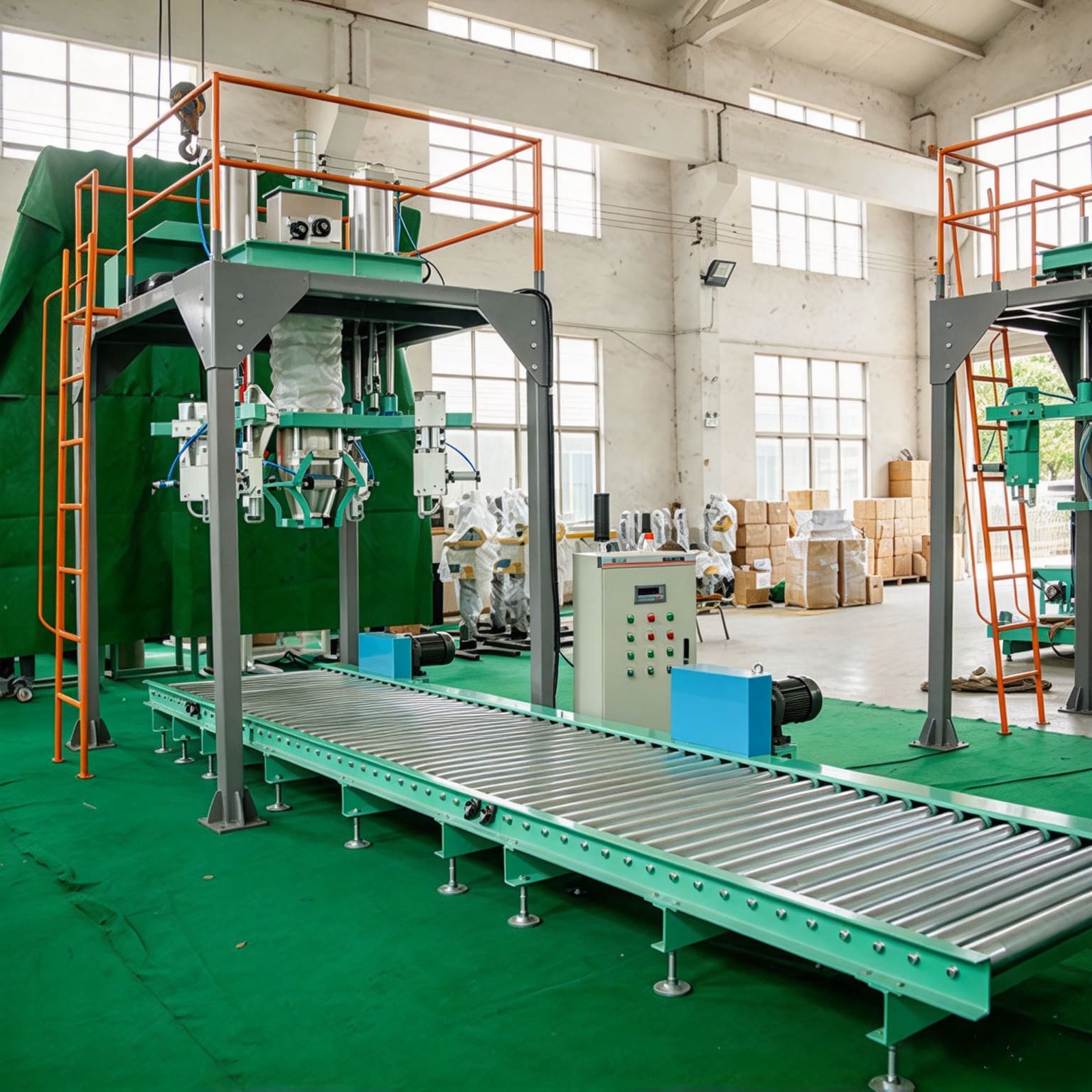
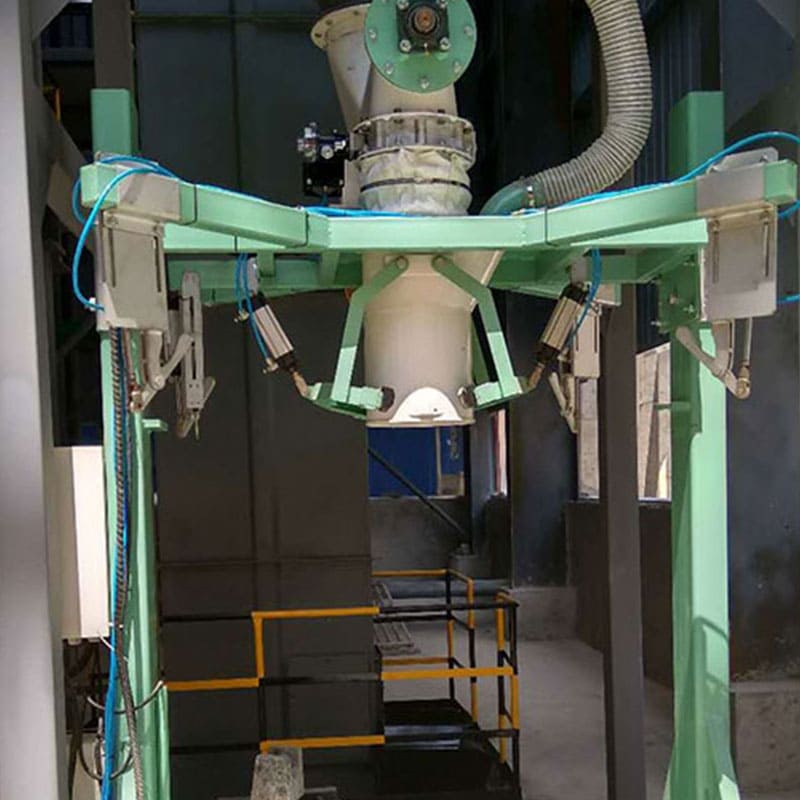
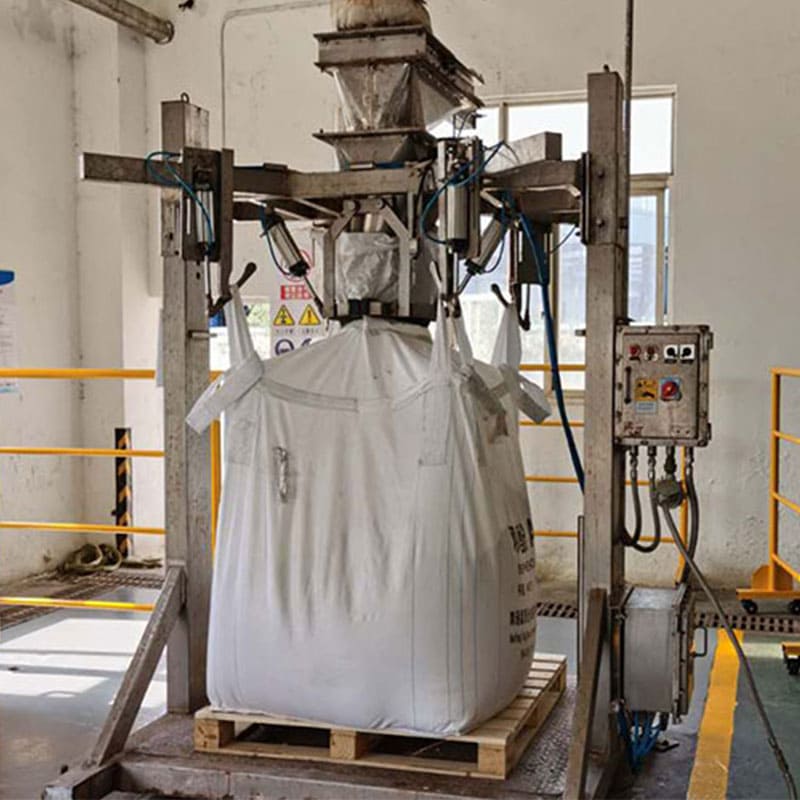
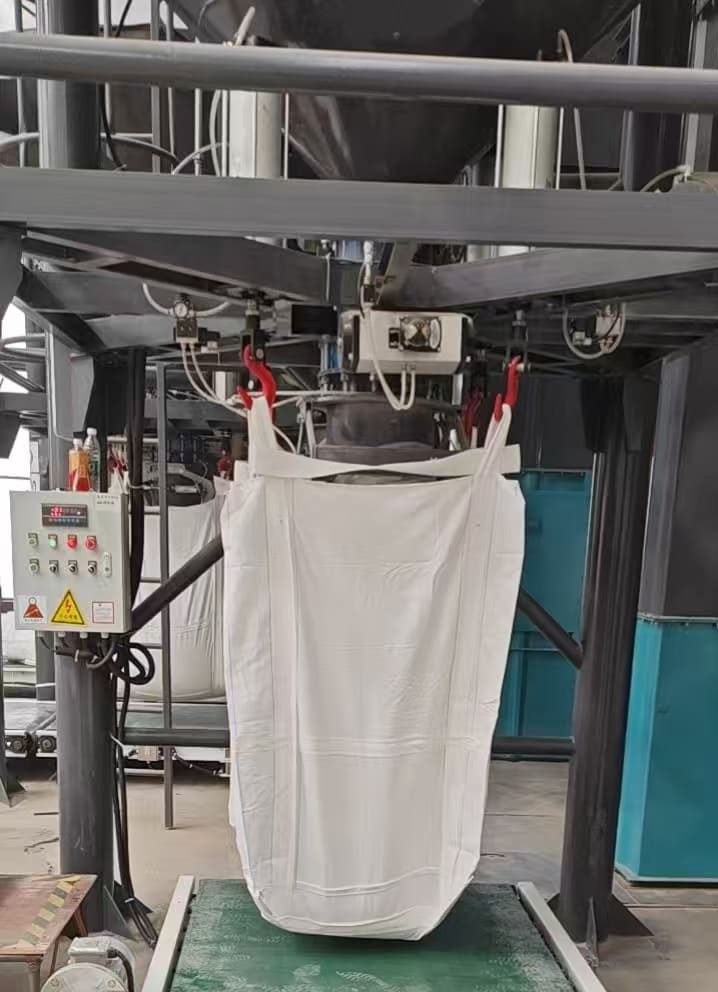
Stage 1 – Bulk Bag Discharge Station
This is where the FIBC is lifted, supported and opened. The discharge station holds the bag in place while material flows out through the bag outlet.
What matters at this stage:
- Bag suspension method
- Discharge height and clearance
- Access for bag replacement
- Connection to the feeding equipment below
Stage 2 – Feeding and Conveying
After discharge, material needs to move to the next stage. The equipment used depends on distance, height difference and material characteristics.
Screw conveyors are common for short horizontal runs. Bucket elevators are used when the material needs to be lifted to a silo or upper floor.
Stage 3 – Intermediate Storage (Optional)
Not every plant needs a silo between unloading and packaging. If the receiving rate and downstream rate are similar, material can be fed directly.
When a silo or buffer hopper is useful:
- Receiving and packing run at different rates
- Material needs to be stored before the next batch
- Downstream equipment requires a stable feed
- Multiple downstream lines are supplied from one unloading point
Stage 4 – Downstream Connection
The last stage depends on what the plant does with the material.
Two common paths:
Path A suits plants where the material goes straight into a mixer or process. Path B suits plants that repack bulk material into smaller commercial bags.
Part 2 – Questions Buyers Ask Most Often
Not always. If the unloading rate and packing rate match, direct feeding can work. A silo or buffer hopper is useful when the two rates differ or when the downstream process needs a steady feed. The decision should be based on the actual rates, not on a default layout.
It depends on the layout and the conveying arrangement. With a buffer hopper and suitable conveying equipment, one unloading point can supply multiple destinations. The feasibility should be checked against the required flow rate for each line.
At minimum: material name, bulk density, particle size, flowability, and moisture content if known. Bulk bag dimensions and filled weight are also needed. These determine the discharge opening, feeder type and conveying method.
Dust is generated mainly when the bag is opened and when material drops into the feeder or hopper. A dust collection unit can be connected at the discharge point. The exact arrangement depends on the material and the site requirements.
Some materials discharge easily; others need assistance. For materials that tend to bridge or stick, the discharge station can be configured with flow aids. The right approach depends on the material’s actual behavior, which is why a sample or test data is useful.
They work in opposite directions. An unloading system takes material out of a bulk bag. A packing machine fills material into a bulk bag. Some projects need one, some need the other, and some need both.
Yes, but the connection points need to be checked first: existing silo inlets, conveyor routes, available floor space, and the electrical supply. These details determine how the new equipment fits into the existing layout.
Material name, bulk density, bulk bag specification, required unloading rate, downstream process, and factory layout. If the packing rate is already known, include it together with the unloading rate.
Part 3 – Quick Reference for Equipment Selection
| Project Information | Why It Matters |
|---|---|
| Material name | Determines feeder type, discharge opening and dust control |
| Bulk density | Affects hopper volume, conveyor capacity and equipment sizing |
| Particle size and flowability | Affects discharge behavior and whether flow aids are needed |
| Moisture content | Affects sticking, bridging and conveying performance |
| Bulk bag specification | Determines discharge station dimensions and support method |
| Required unloading rate | Sets the capacity of feeder and conveying equipment |
| Material route | Direct feed or silo storage – determines the overall layout |
| Downstream process | Determines the connection point and required buffer capacity |
| Factory layout | Affects transfer height, floor space and installation clearance |
| Destination country | Determines electrical standard and project requirements |
Request a Bulk Bag Unloading Proposal
Send us your material, bulk bag specification, required unloading rate and downstream process. We will review the material handling route and prepare an equipment configuration for your project.
* Free equipment selection report, customized layout drawing, and budget estimate within 24 hours