
Applications of Different Dry Mortar Mixers – Complete Selection Guide
Applications of Different Dry Mortar Mixers
A complete guide to mixer selection — including applications, capacity planning, technical specifications, common problems, maintenance tips, and a practical buying checklist.
Applications of Different Dry Mortar Mixers
Different dry mortar products require different mixing technologies. Factors such as particle size, additive content, fiber dispersion, mixing uniformity, and production capacity all influence the choice of mixer. Selecting equipment based on the intended product rather than simply choosing the lowest-cost option helps improve product quality, reduce production costs, and increase long-term profitability.
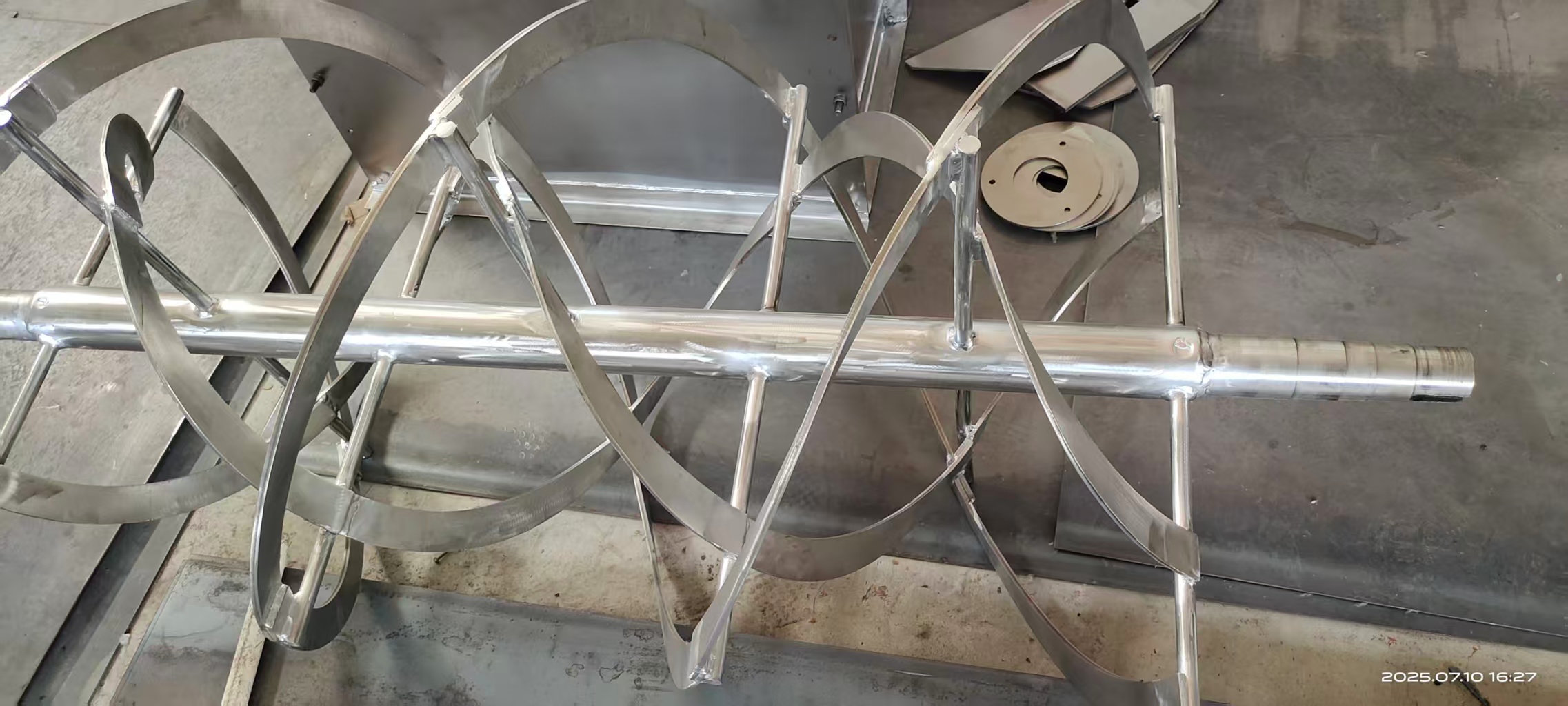
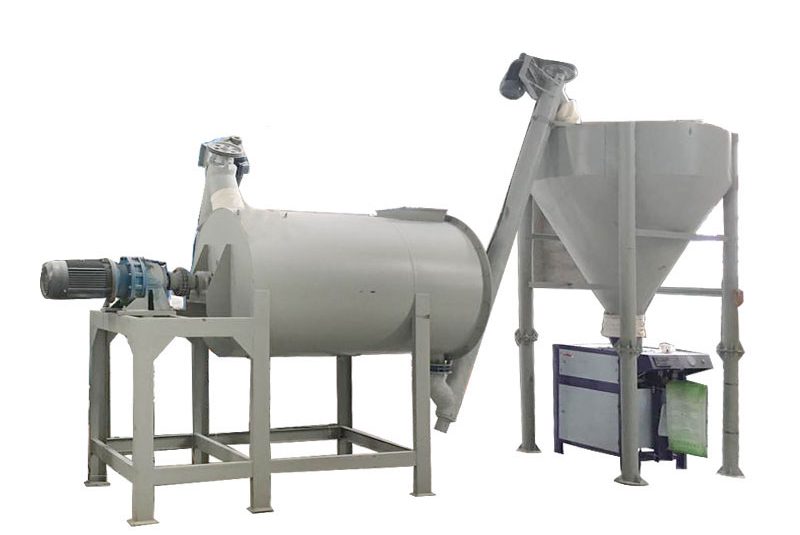
Ribbon Mixer Applications
Ribbon mixers are widely used for conventional dry powder products that do not require extremely high shear force. Their simple structure and low investment make them ideal for small and medium-sized manufacturers.
- Masonry Mortar
- Plastering Mortar
- Wall Putty
- Cement Mortar
- Gypsum Mortar
- Dry Sand-Cement Mix
- Repair Mortarc
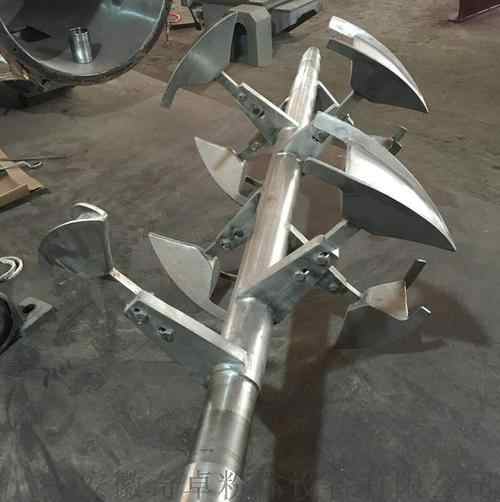
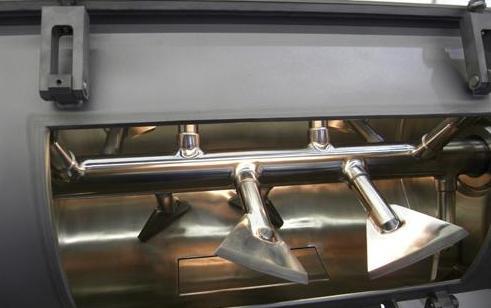
Ploughshare Mixer Applications
Ploughshare mixers provide stronger mechanical agitation and superior dispersion of lightweight additives, making them suitable for high-performance dry mortar products.
- Tile Adhesive
- EIFS Mortar
- Waterproof Mortar
- Colored Mortar
- Decorative Mortar
- Polymer Modified Mortar
- Fiber Reinforced Mortar
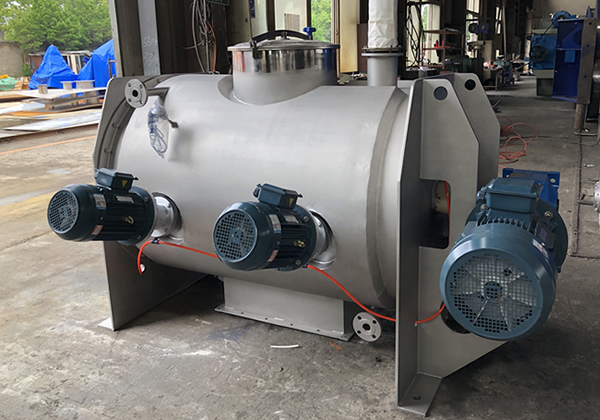
Twin Shaft Paddle Mixer Applications
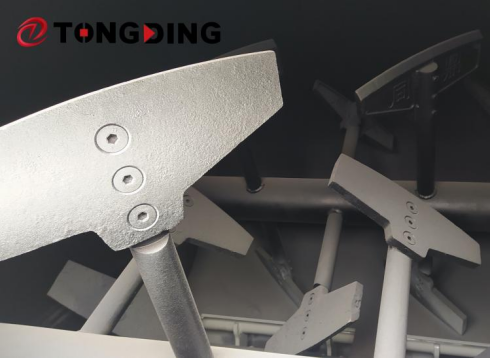
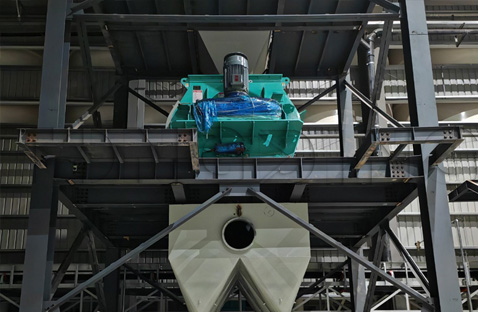
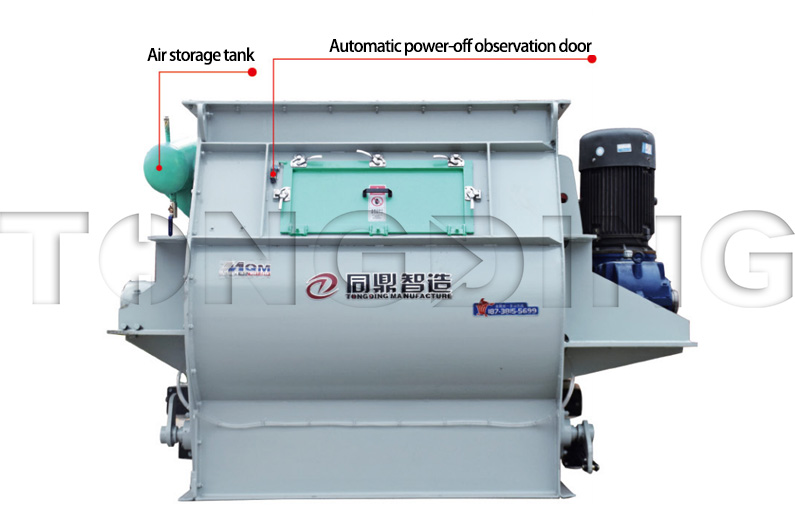
Twin shaft paddle mixers are designed for industrial-scale production where productivity, mixing speed, and product consistency are critical.
- Automatic Dry Mortar Plants
- Tile Adhesive Production
- Self-Leveling Mortar
- Masonry Mortar
- Plaster Mortar
- Grouting Materials
- Large-Scale Construction Mortar
How Production Capacity Influences Mixer Selection
Production capacity is one of the first factors investors should evaluate before selecting a mixer. Oversized equipment increases unnecessary investment, while undersized equipment limits future production and profitability.
| Required Capacity | Recommended Mixer | Typical Customer |
|---|---|---|
| 1–3 TPH | Ribbon Mixer | New Investors / Small Factories |
| 3–8 TPH | Large Ribbon Mixer or Ploughshare Mixer | Regional Manufacturers |
| 10–20 TPH | Twin Shaft Paddle Mixer | Medium Industrial Plants |
| 20–60 TPH | Twin Shaft Paddle Mixer | Large Construction Material Producers |
| 60+ TPH | Customized Twin Shaft System | Large Industrial Projects |
When planning capacity, manufacturers should consider not only current demand but also future market expansion. Selecting equipment with moderate expansion capability often delivers a better long-term return on investment.
Technical Specifications to Compare Before Purchasing
Although production capacity is important, it should not be the only specification considered. Buyers should compare the complete technical performance of each mixer before making a purchasing decision.
| Specification | Importance |
|---|---|
| Batch Capacity | Determines hourly production output. |
| Mixing Time | Affects production efficiency. |
| Mixing Uniformity | Influences finished product quality. |
| Installed Power | Determines electricity consumption. |
| Discharge Method | Affects production continuity. |
| Dust Sealing | Reduces material loss and environmental pollution. |
| Wear Resistance | Impacts maintenance frequency. |
| Automation Compatibility | Supports future production upgrades. |
Optional Equipment to Improve Production Efficiency
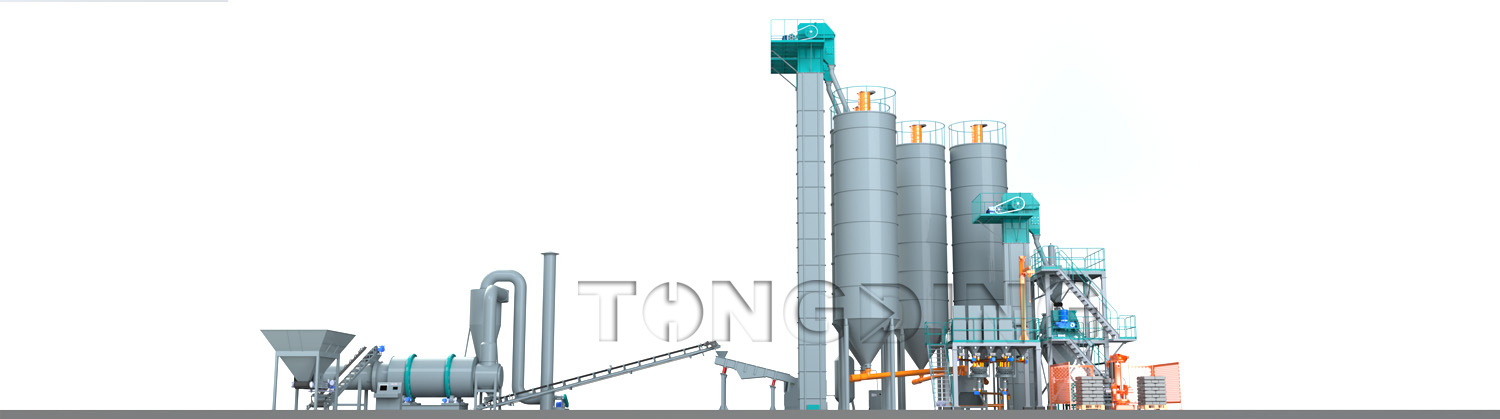
Modern dry mortar production lines can be equipped with additional systems to improve productivity, reduce labor requirements, and enhance product quality. These optional configurations are especially valuable for manufacturers planning future capacity expansion.
- Automatic Batching System
- Sand Drying System
- Automatic Packing Machine
- Robot Palletizer
- Bulk Loading System
- Dust Collection System
- PLC Intelligent Control System
- Remote Monitoring System
- Formula Management Software
- Automatic Material Conveying System
Choosing scalable equipment allows manufacturers to increase automation levels without replacing the entire production line in the future.
Common Mixing Problems and Solutions
Even high-quality equipment may experience mixing issues if raw materials, operating procedures, or formulations are not properly managed. Understanding common production problems helps reduce downtime and improve product consistency.
| Problem | Possible Cause | Recommended Solution |
|---|---|---|
| Uneven Mixing | Insufficient mixing time | Increase mixing cycle or upgrade mixer |
| Additives Not Evenly Distributed | Poor dispersion performance | Use a Ploughshare or Twin Shaft Mixer |
| Material Agglomeration | High moisture content | Dry raw materials before mixing |
| Dust Leakage | Damaged sealing components | Replace seals and inspect dust collector |
| Low Production Capacity | Oversized batches or slow discharge | Optimize batch size and production flow |
Maintenance Tips for Long Service Life
Routine maintenance improves production stability and extends equipment life. Establishing a preventive maintenance schedule helps reduce unexpected downtime and lowers long-term operating costs.
- Inspect mixer blades and paddles regularly for wear.
- Lubricate bearings according to the manufacturer’s recommendations.
- Check gearbox oil levels before continuous operation.
- Inspect shaft seals to prevent powder leakage.
- Clean residual material after each production shift.
- Calibrate weighing systems periodically.
- Inspect electrical control components and sensors.
- Replace worn sealing strips when necessary.
Dry Mortar Mixer Buying Checklist
Before requesting quotations from equipment suppliers, buyers should clearly define their production requirements. Providing complete project information enables manufacturers to recommend the most suitable mixer configuration and prepare an accurate proposal.
Prepare the Following Information
- Required production capacity (TPH)
- Main dry mortar products
- Available factory area
- Raw material moisture content
- Expected automation level
- Packaging requirements
- Future production expansion plans
- Project location and power supply
Avoid selecting equipment based solely on price. Evaluate the supplier’s engineering experience, manufacturing quality, technical support, spare parts availability, and after-sales service. A well-designed production line generally delivers lower operating costs and higher profitability throughout its service life.
If you have further questions about selecting the right dry mortar mixer, we encourage you to read our detailed FAQ guide: Dry Mortar Mixer FAQ – Expert Answers & Selection Guide where we address capacity, mixing time, raw materials, maintenance, and more.