
Complete Guide to Dry Mortar Production Line
Dry Mortar Production Line: Complete Plant Design, Process, Equipment and Cost Guide
Modern construction material manufacturing requires stable product quality, automated production efficiency, and lower operating costs. A dry mortar production line is designed to meet these requirements by integrating sand drying, batching, mixing, packaging, and dust collection into one intelligent production system.
Tongding provides fully automatic dry mortar production lines for tile adhesive, wall putty, masonry mortar, plaster mortar, and specialty dry mix products. The system supports customized plant layouts, multiple capacity options, and turnkey factory solutions for global customers.
What Is a Dry Mortar Production Line?
A dry mortar production line is an industrial manufacturing system used to produce dry mix mortar products through automated weighing, mixing, drying, conveying, and packaging processes.
The plant combines different raw materials such as:
- Sand
- Cement
- Fly ash
- Calcium carbonate
- Additives
- Gypsum powder
These materials are proportioned according to preset formulas and mixed evenly to produce construction mortars with stable performance.
Compared with traditional on-site mortar mixing, factory-produced dry mortar provides:
- Better product consistency
- Lower labor requirements
- Reduced material waste
- Cleaner production conditions
- Faster construction efficiency
Dry mortar production technology is widely used in modern building material manufacturing because it improves construction quality and reduces project management difficulties.

What Products Can a Dry Mortar Plant Produce?
Different dry mortar formulations are used in different construction applications. A modern automatic dry mortar production line can manufacture multiple products within one plant.
Tile Adhesive Mortar
Tile adhesive is one of the fastest-growing dry mortar products in the global construction industry.
Applications include:
- Ceramic tile installation
- Large-format tile bonding
- Wall and floor tiling
- Waterproof tile applications
Common products:
- C1 tile adhesive
- C2 tile adhesive
- Flexible tile mortar
Related internal solution page:
Wall Putty Powder
Wall putty improves wall smoothness and paint adhesion.
Common products:
- Interior wall putty
- Exterior wall putty
- Waterproof putty
- Gypsum-based putty
Wall putty production usually requires:
- Fine powder mixing
- Accurate additive dosing
- Stable packaging precision
Masonry Mortar
Masonry mortar is used for:
- Brick laying
- Block installation
- Structural wall construction
Dry mortar plants improve mortar consistency and reduce material waste at construction sites.
Plaster Mortar
Plaster mortar is commonly used for:
- Interior wall rendering
- Exterior wall coating
- Ceiling plastering
The quality of plaster mortar depends heavily on:
- Sand moisture control
- Uniform mixing
- Stable formulation ratios
Self-Leveling Mortar
Self-leveling compounds require high batching precision and advanced mixing technology.
These products are widely used in:
- Commercial flooring
- Industrial flooring
- Decorative floor leveling
Why the Construction Industry Is Moving Toward Automatic Dry Mortar Plants
Traditional on-site mortar mixing creates many production and quality problems.
Construction companies are gradually replacing manual mixing with centralized dry mortar manufacturing systems.
Rising Labor Costs
Manual mortar production requires:
- Raw material transportation
- Manual weighing
- Continuous labor supervision
Automatic production lines reduce labor requirements and improve production efficiency.
Stable Product Quality
Factory automation improves:
- Formula accuracy
- Mixing uniformity
- Final product consistency
This is especially important for tile adhesive and wall putty production.
Cleaner Production Environment
Modern dry mortar plants include:
- Pulse dust collectors
- Sealed conveying systems
- Negative pressure dust removal
These systems help reduce workshop dust pollution and improve environmental compliance.
According to the United States Environmental Protection Agency (EPA), industrial dust control plays a major role in improving workplace air quality and reducing particulate emissions.
Higher Production Efficiency
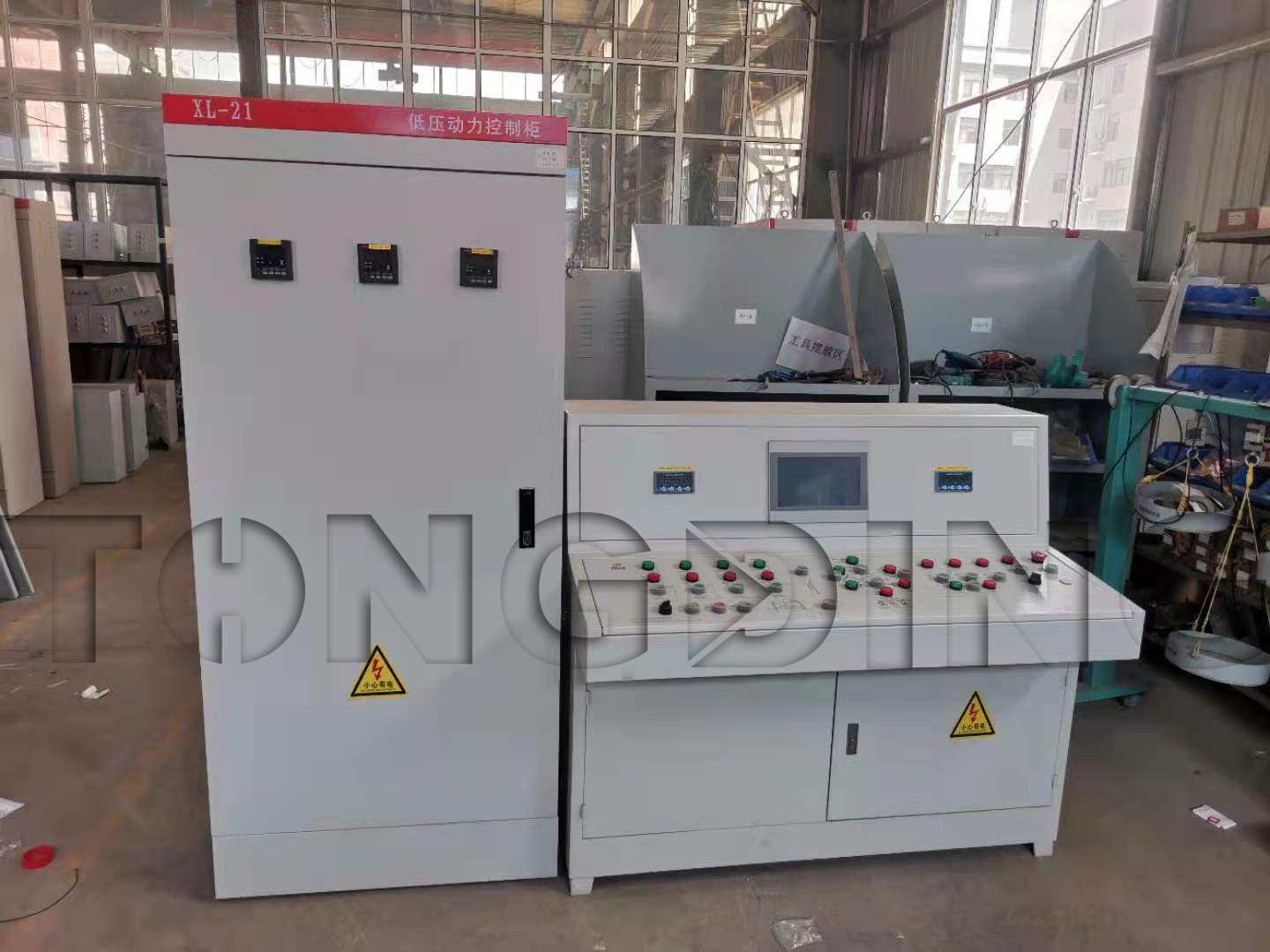
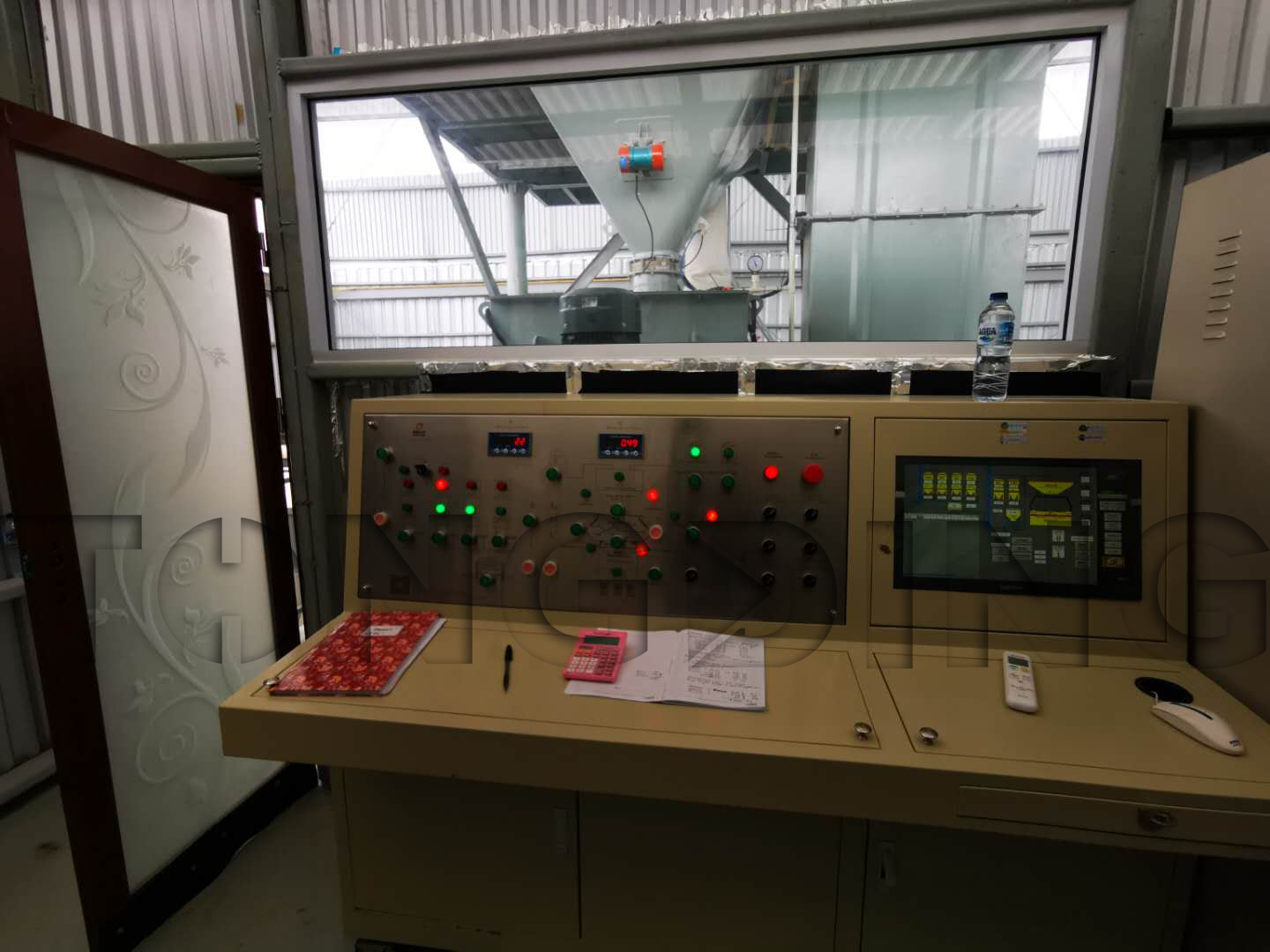
Fully automatic dry mortar plants can operate continuously with:
- Automatic batching
- PLC control systems
- Intelligent formula management
- Automated packaging systems
Compared with manual production, automated systems provide:
- Faster production cycles
- Lower error rates
- Higher daily output
Complete Dry Mortar Production Process
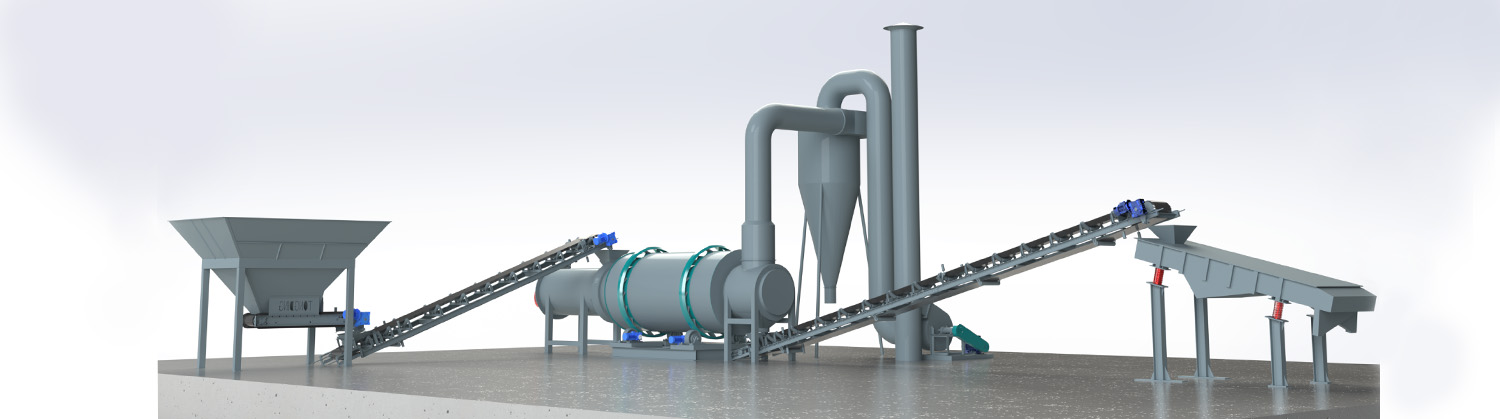
A dry mortar production line integrates multiple systems into one continuous production process.
The process usually includes:
- Raw material storage
- Sand drying
- Screening and grading
- Automatic batching
- Mixing
- Packaging
- Dust collection
Raw Material Storage System
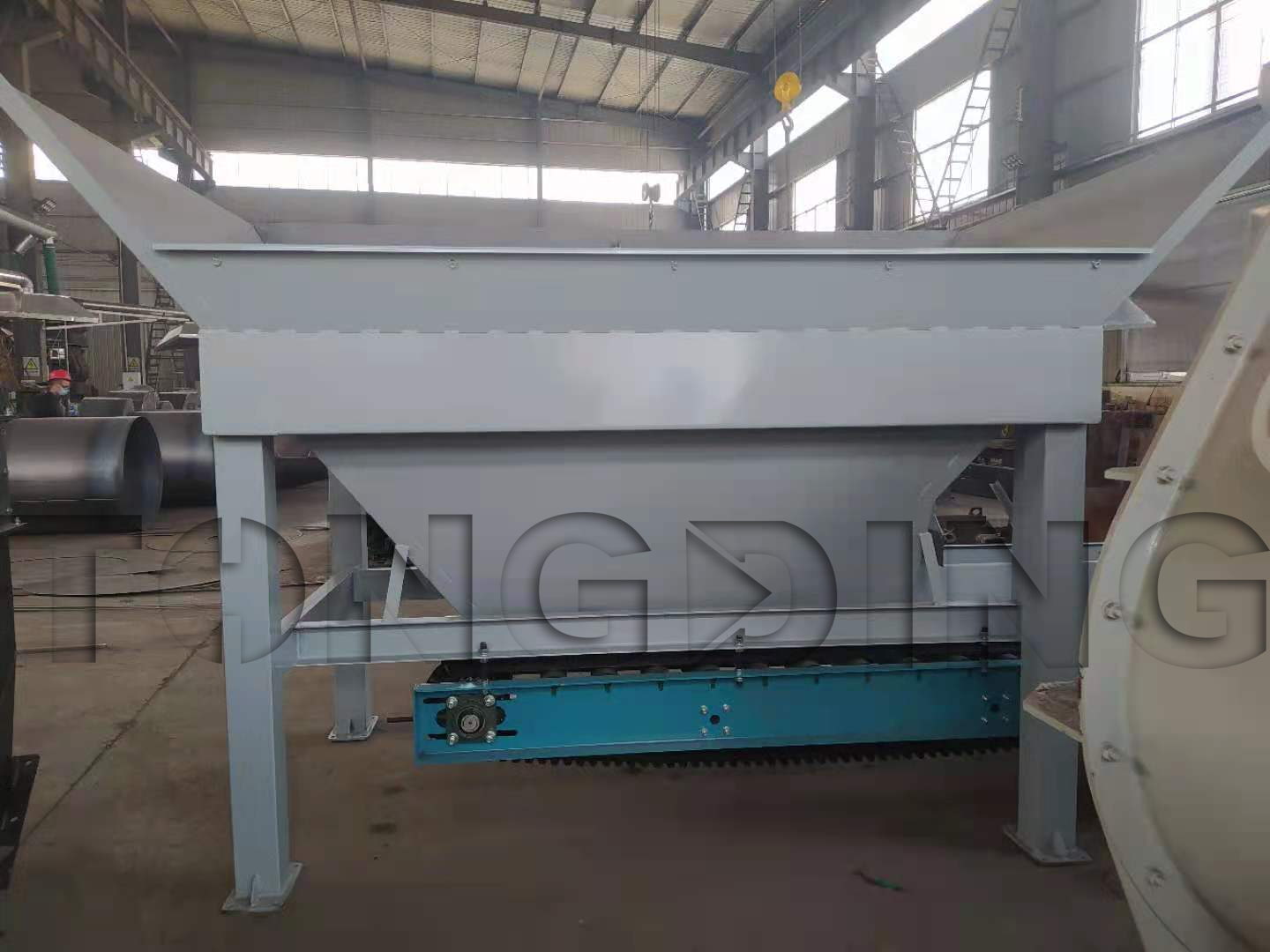
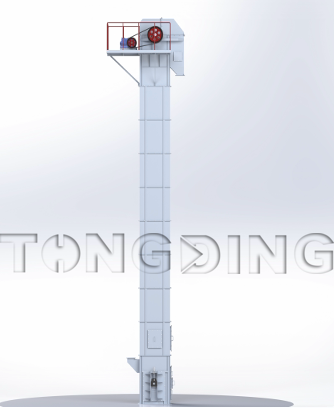
Raw materials are stored separately in silos or storage bins.
Typical storage materials include:
- Cement
- Fly ash
- Sand
- Calcium carbonate
- Additives
The storage system ensures continuous feeding during production.
Main equipment includes:
- Cement silos
- Screw conveyors
- Bucket elevators
- Feeding hoppers
-
Sand Drying System
Wet sand directly affects dry mortar quality.
High moisture content can cause:
- Product caking
- Poor mixing
- Formula instability
- Reduced storage life
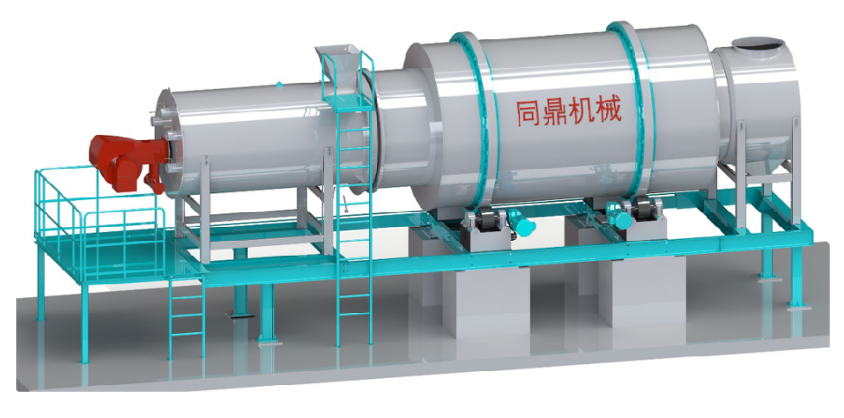
For this reason, rotary sand dryers are widely used in dry mortar plants.
Tongding rotary sand dryers support:
- River sand drying
- Sea sand drying
- Silica sand drying
- Manufactured sand drying
The system reduces sand moisture from 10–25% down to below 1%.
Related internal product page:
Sand Screening and Grading
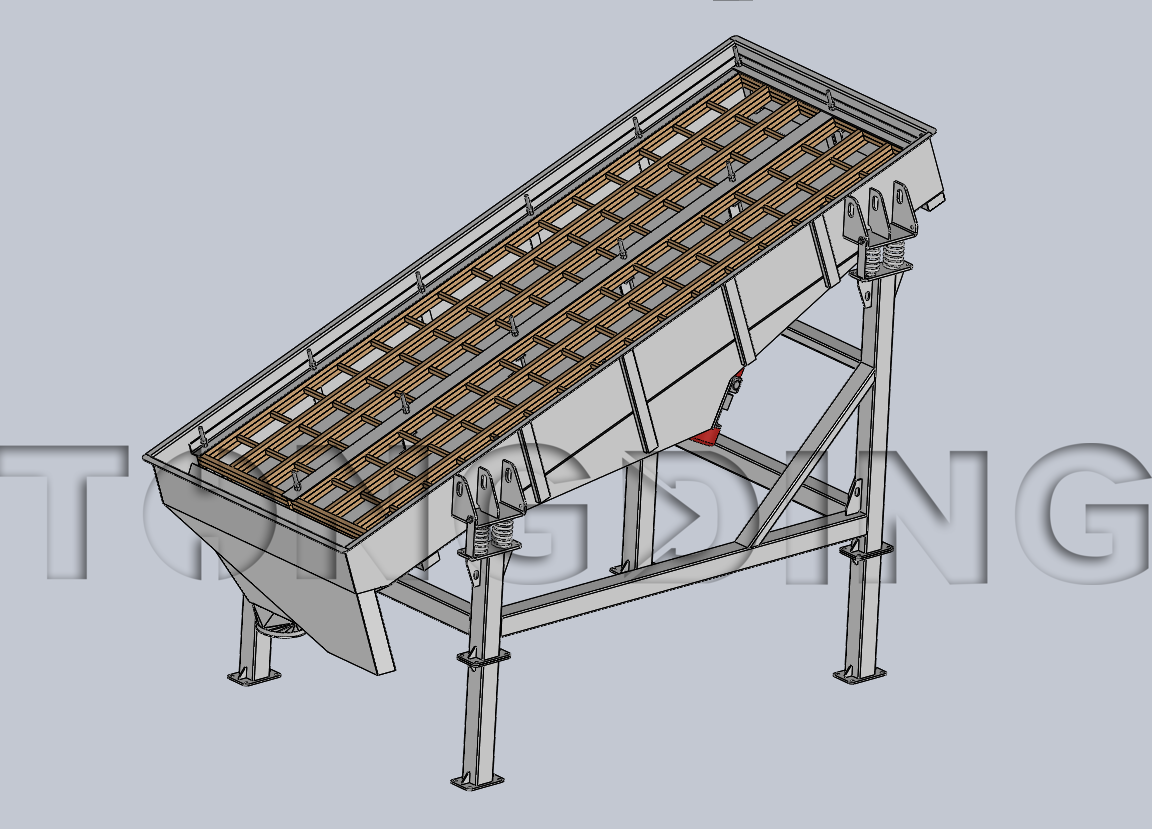
After drying, sand passes through a vibrating screening system.
This process removes:
- Oversized particles
- Impurities
- Uneven aggregates
Uniform particle size improves mortar quality and mixing stability.
Automatic Batching and Weighing System
The batching system automatically weighs each raw material according to preset formulas.
The system includes:
- Weighing hoppers
- PLC control systems
- Additive dosing devices
- Sensor monitoring systems
Accurate batching improves:
- Product consistency
- Formula precision
- Material utilization
Dual Shaft Gravity Free Mixer
The dual shaft gravity-free mixer is one of the core machines in a dry mortar production line.
Its working principle is based on:
- High-speed convection mixing
- Counter-rotating shafts
- Three-dimensional material movement
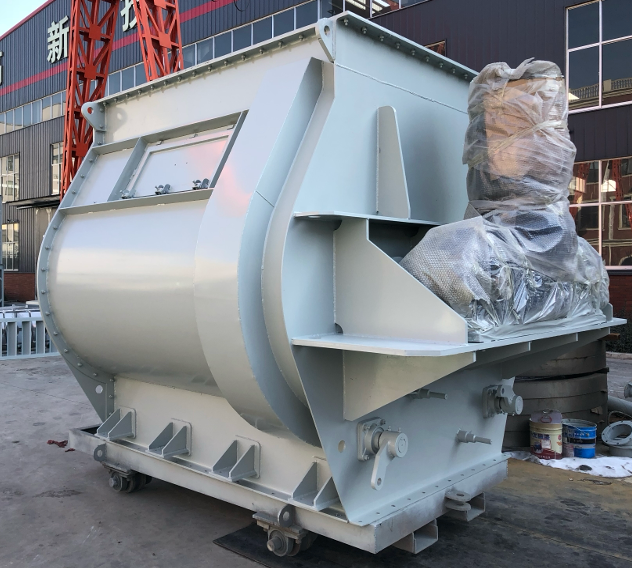
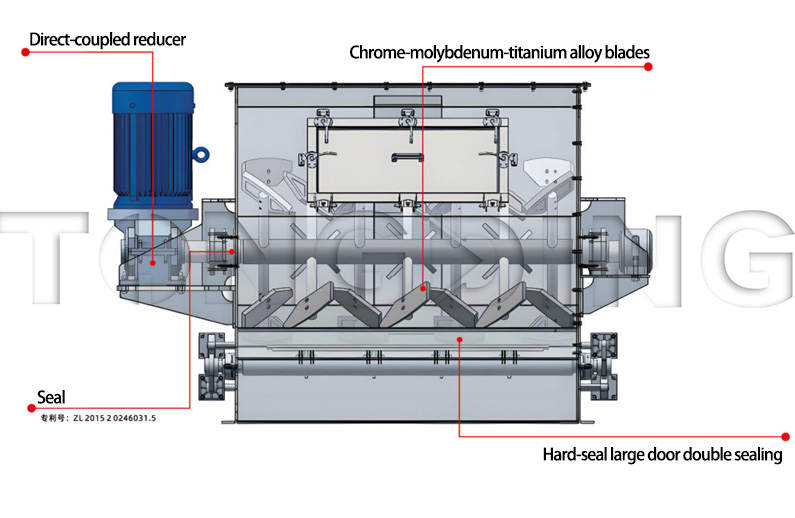
Advantages include:
- Fast mixing speed
- Uniform blending
- Low residue
- Stable discharge
- High efficiency
Tongding mixers use:
- Wear-resistant alloy blades
- Pneumatic discharge systems
- Heavy-duty transmission structures
Related internal product page:
Packaging and Finished Product System
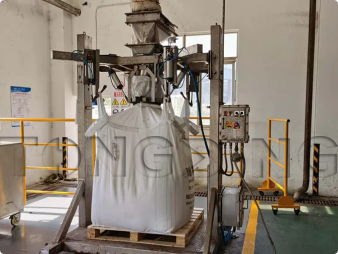
After mixing, finished mortar is transferred to the packaging system.
Packaging options include:
- Valve bag packing
- Open-mouth bag packaging
- Ton bag systems
Automatic palletizers can also be integrated for large-scale production plants.
Dust Collection and Environmental Protection
Dust control is a major requirement in modern dry mortar manufacturing.
Tongding dry mortar plants use:
- Pulse bag filters
- Negative pressure collection
- Sealed pipelines
- High-efficiency dust removal systems
These systems help factories comply with environmental standards while improving workshop cleanliness.
Main Equipment Included in a Dry Mortar Production Line
A complete automatic dry mortar production line usually includes:
| Equipment | Function |
|---|---|
| Sand Dryer | Reduces sand moisture |
| Vibrating Screen | Controls particle size |
| Bucket Elevator | Material conveying |
| Screw Conveyor | Powder transportation |
| Storage Silo | Raw material storage |
| Weighing System | Automatic batching |
| Dual Shaft Mixer | Uniform material mixing |
| Packing Machine | Product packaging |
| Dust Collector | Dust removal |
| PLC Cabinet | Intelligent control |
Related Industry Applications
Dry mortar plants are widely used in:
- Construction material factories
- Tile adhesive manufacturing
- Wall putty production
- Industrial mortar processing
- Cement product plants
- Building chemical industries
According to Statista, global construction industry demand continues to increase due to urbanization and infrastructure investment, driving demand for dry mix mortar equipment.
Why Choose Tongding Dry Mortar Production Line?
Tongding provides customized dry mortar manufacturing solutions for global construction material producers.
Our advantages include:
- Turnkey factory design
- Automatic PLC control systems
- Energy-saving sand drying systems
- Dual shaft gravity free mixers
- Overseas installation support
- Factory layout customization
- Dust removal solutions
- Technical training and after-sales service
We provide production line solutions for:
- Southeast Asia
- Middle East
- Africa
- South America
- Central Asia
Request a Custom Dry Mortar Production Solution
Every factory has different raw materials, capacity requirements, and product formulas.
Tongding engineers can help you customize:
- Production capacity
- Plant layout
- Sand drying system
- Mixing configuration
- Packaging solution
- Automation level
Contact Tongding for:
✔ Factory Layout Design
✔ Turnkey Dry Mortar Plant Solution
✔ Overseas Installation Support
✔ Production Line Configuration