
Double Shaft Gravity-Free Mixer vs Ribbon Mixer: Which Is Better for Dry Mortar Production?
Double Shaft Gravity-Free Mixer vs Ribbon Mixer: Which Is Better for Dry Mortar Production?
In modern dry mortar manufacturing, mixing quality directly affects product performance, production efficiency, and operating costs. Whether producing tile adhesive, wall putty, self-leveling mortar, or repair mortar, manufacturers need a mixing system capable of delivering consistent product quality.
For many years, ribbon mixers were widely used in powder processing plants. However, as dry mix mortar formulations become more complex and require higher accuracy, more manufacturers are upgrading to Double Shaft Gravity-Free Mixers.
This article explains the differences between the two technologies and helps you choose the right mixer for your production line.
What Is a Double Shaft Gravity-Free Mixer?
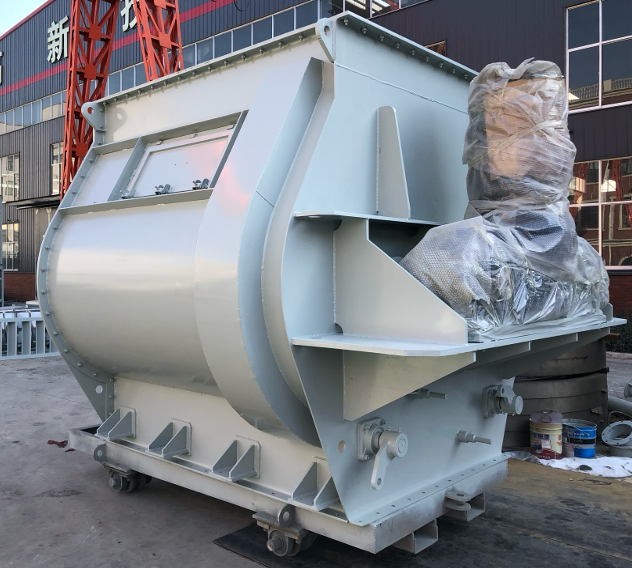
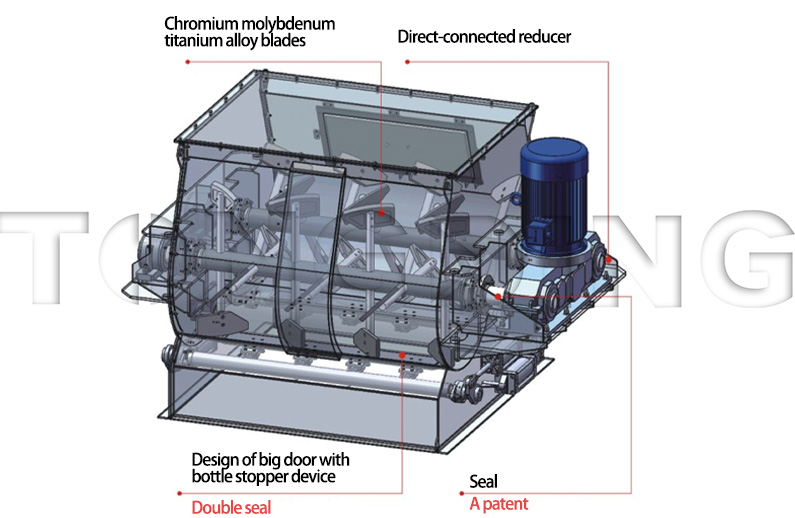
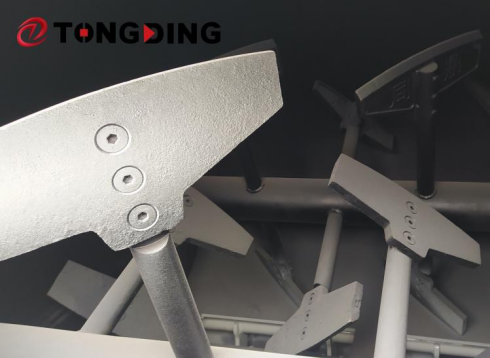
A Double Shaft Gravity-Free Mixer, also known as a Twin Shaft Paddle Mixer or Weightless Mixer, is a high-efficiency mixing machine designed for dry powders and granular materials.
The mixer uses two counter-rotating shafts equipped with specially designed paddles. During operation, materials are continuously lifted and thrown into a temporary weightless zone, allowing particles with different densities and sizes to mix rapidly and uniformly.
Typical Applications
- Dry Mortar Production
- Tile Adhesive Manufacturing
- Wall Putty Production
- Self-Leveling Mortar
- Grout Production
- Chemical Powder Mixing
- Refractory Materials
Common Mixing Problems in Dry Mortar Production
Many mortar manufacturers still experience production issues caused by inadequate mixing systems.
Material Segregation
Fine additives often separate from sand and cement during mixing.
Inconsistent Product Quality
Uneven additive distribution leads to unstable bonding strength and product performance.
Long Mixing Cycles
Traditional mixers often require 10–15 minutes per batch.
High Residual Material
Residual powder inside the mixer increases waste and cleaning time.
Increased Production Costs
Poor mixing efficiency limits production capacity and increases labor costs.
Why Traditional Ribbon Mixers Are No Longer Enough
Ribbon mixers have been used for decades because of their simple structure and low initial investment.
However, modern dry mortar formulations contain:
- HPMC
- RDP
- Starch Ether
- Polymer Additives
- Fiber Reinforcement
These materials require precise distribution throughout the mixture.
Traditional ribbon mixers often struggle to achieve consistent results when processing these formulations.
Common Limitations
- Lower mixing accuracy
- Longer batch cycles
- Higher energy consumption
- More material residue
- Poor performance with micro-additives
Advantages of Double Shaft Gravity-Free Mixers
Superior Mixing Uniformity
Mixing uniformity can exceed 99%. This ensures consistent product quality from batch to batch.
Faster Production Cycles
Most mortar formulations can be mixed within 3–5 minutes per batch. Compared to traditional mixers, production efficiency can increase significantly.
Low Material Residue
Large pneumatic discharge doors allow fast and complete discharge. Material residue can be reduced to less than 0.1%.
Better Additive Distribution
The weightless mixing principle ensures uniform cellulose distribution, uniform polymer distribution, and stable product performance.
Lower Maintenance Costs
Replaceable wear-resistant paddles and liners reduce maintenance expenses.
Double Shaft Gravity-Free Mixer vs Ribbon Mixer
| Item | Gravity-Free Mixer | Ribbon Mixer |
|---|---|---|
| Mixing Uniformity | >99% | 90-95% |
| Mixing Time | 3-5 min | 10-15 min |
| Material Residue | Very Low | Medium |
| Additive Distribution | Excellent | Average |
| Automation Compatibility | Excellent | Limited |
| Production Efficiency | High | Medium |
| Maintenance Cost | Low | Medium |
For tile adhesive and high-performance dry mortar production, gravity-free mixers offer clear advantages.
Applications in Tile Adhesive and Putty Powder Production
Tile Adhesive Production
The mixer can process:
- C1 Tile Adhesive
- C2 Tile Adhesive
- Flexible Tile Adhesive
- Porcelain Tile Adhesive
Wall Putty Production
Suitable for:
- Interior Wall Putty
- Exterior Wall Putty
- Skim Coat
- Self-Leveling Mortar
The mixer provides excellent additive distribution required for self-leveling products.
Repair Mortar and Grout
Ensures stable formulation consistency and high product performance.
How to Choose the Right Mixer Capacity
Selecting the correct mixer size depends on:
Daily Production Capacity
| Daily Output | Recommended Mixer |
|---|---|
| 5-10 TPD | WSZ2 |
| 10-20 TPD | WSZ3 |
| 20-40 TPD | WSZ4 |
| 40-60 TPD | WSZ6 |
| 60-100 TPD | WSZ10 |
Available Workshop Space
Consider: Building height, Installation area, Material conveying layout
Product Formulations
More complex formulations often benefit from larger gravity-free mixers.
Can a Gravity-Free Mixer Be Integrated Into a Complete Dry Mortar Plant?
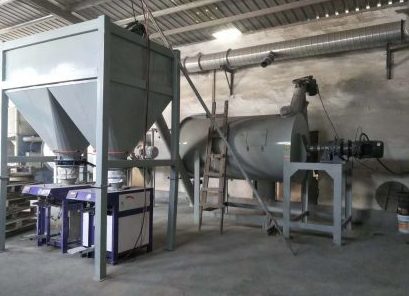
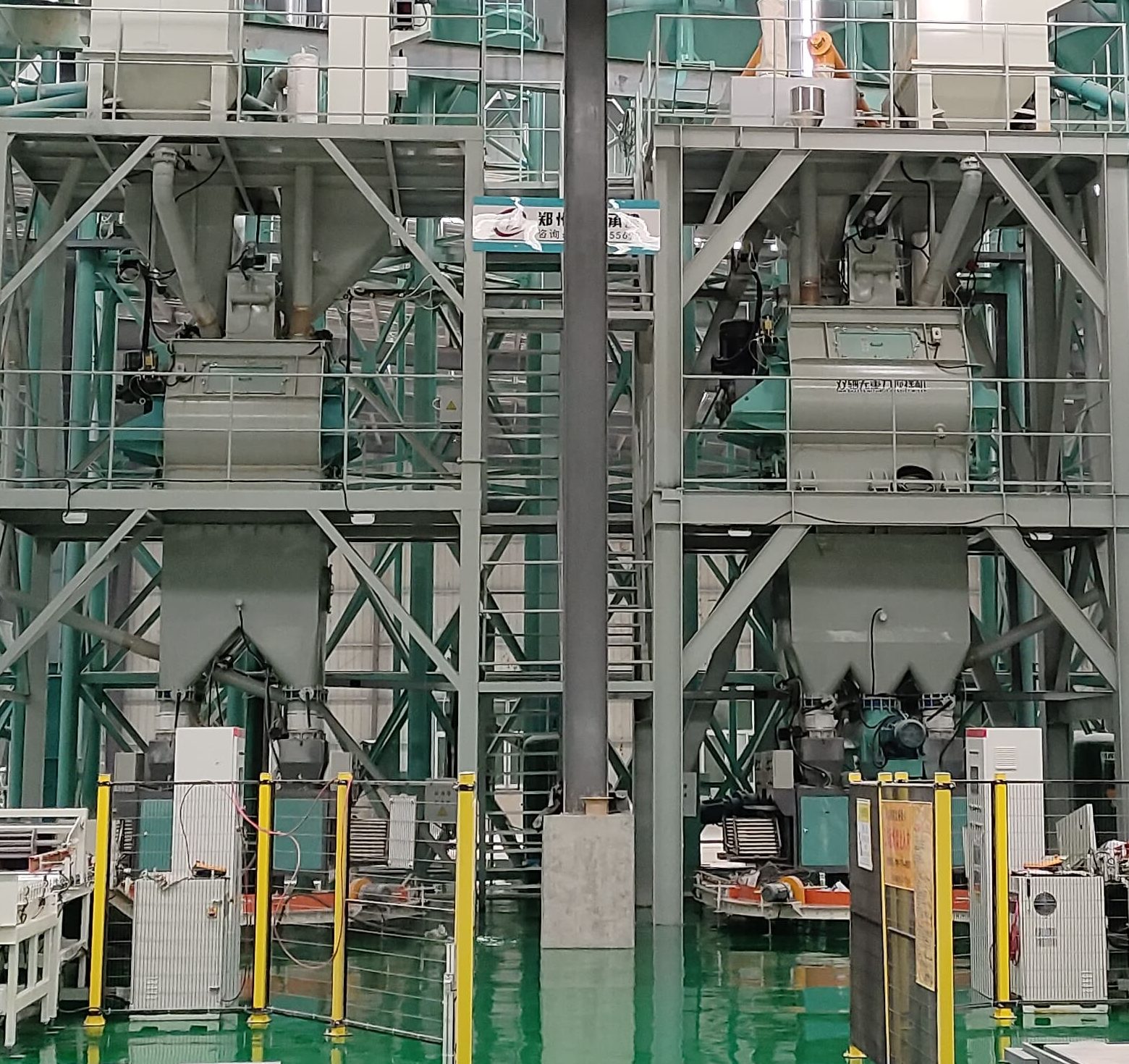
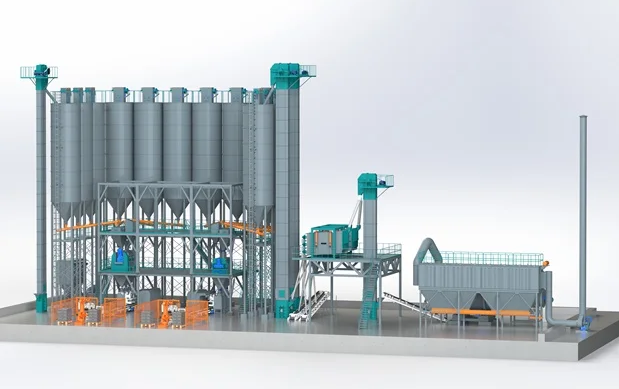
Yes. Most modern dry mortar factories integrate gravity-free mixers into fully automated production systems.
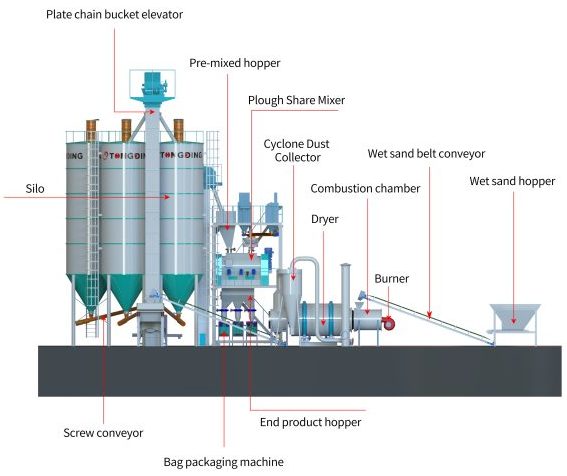
A complete production line typically includes:
- Sand Drying System → Industrial Sand Dryer
- Raw Material Storage Silos → Dry Mortar Storage Silo
- Automatic Batching System → Automatic Weighing System
- Twin Shaft Gravity-Free Mixer → Double Shaft Gravity-Free Mixer
- Packing Machine → Valve Bag Packing Machine
- Palletizing Robot → Automatic Palletizing System
Why More Dry Mortar Factories Are Upgrading Their Mixing Systems
Growing demand for Tile Adhesive, Self-Leveling Mortar, Waterproof Mortar, and High-Performance Grout requires higher production standards.
Manufacturers are increasingly replacing ribbon mixers with gravity-free mixers to achieve:
- Better product quality
- Lower production costs
- Higher automation levels
- Greater production capacity
Frequently Asked Questions
What is the mixing uniformity of a gravity-free mixer?
Typically above 99%.
How long does one mixing cycle take?
Normally 3–5 minutes depending on the formulation.
Is it suitable for tile adhesive production?
Yes. It is one of the most commonly used mixers in tile adhesive plants.
Can it process chemical powders?
Yes. It is widely used in chemical, refractory, and additive industries.
Can it be integrated into an automatic production line?
Yes. It can be connected with dryers, silos, batching systems, packing machines, and palletizers.
Which is better for dry mortar production, a ribbon mixer or a gravity-free mixer?
For high-quality dry mortar production, gravity-free mixers generally provide better mixing uniformity, faster cycles, and lower operating costs.
Conclusion
As dry mortar formulations become more sophisticated, the limitations of traditional ribbon mixers are becoming increasingly apparent.
Double Shaft Gravity-Free Mixers provide higher mixing accuracy, shorter production cycles, lower residue rates, and better compatibility with automated production lines.
For manufacturers seeking higher product quality and long-term cost savings, upgrading to a gravity-free mixer is often the most efficient solution.
Related Equipment
- Dry Mortar Production Line
- Tile Adhesive Production Line
- Industrial Sand Dryer
- Automatic Packing Machine
- Palletizing Robot
- Wall Putty Production Line
Looking for a Reliable Double Shaft Gravity-Free Mixer Manufacturer?
Contact Tongding Machinery today for:
- ✓ Mixer Selection Advice
- ✓ Factory Layout Design
- ✓ Production Capacity Analysis
- ✓ Complete Dry Mortar Plant Solutions
- ✓ Factory Direct Pricing
Get Your Customized Solution Within 24 Hours.