How to Choose the Right Double Shaft Gravity-Free Mixer for Dry Mortar & Tile Adhesive Production
How to Choose the Right Double Shaft Gravity-Free Mixer for Your Production Capacity
Selecting the right Double Shaft Gravity-Free Mixer is one of the most important decisions when building a dry mortar plant, tile adhesive production line, wall putty factory, or chemical powder processing facility.
Many investors focus on dryers, silos, packaging machines, and automation systems while overlooking the mixer itself. However, the mixer is the heart of the production line. It directly affects product quality, production efficiency, labor costs, energy consumption, and long-term operating expenses.
An undersized mixer can become a production bottleneck, while an oversized mixer increases investment costs and reduces equipment utilization.
This guide explains how to choose the right mixer based on production capacity, material properties, automation requirements, and future expansion plans.
Why Mixer Selection Directly Affects Production Efficiency
The mixer is the core processing equipment in any dry powder production line.
Whether producing tile adhesive, wall putty, self-leveling mortar, repair mortar, or dry mix mortar, all raw materials must be mixed uniformly before packaging.
Poor mixer selection can lead to:
- Inconsistent product quality
- Material segregation
- Excessive mixing time
- Increased power consumption
- High maintenance costs
- Production bottlenecks
A properly selected mixer improves production stability while reducing labor and operating costs.
What Is a Double Shaft Gravity-Free Mixer?
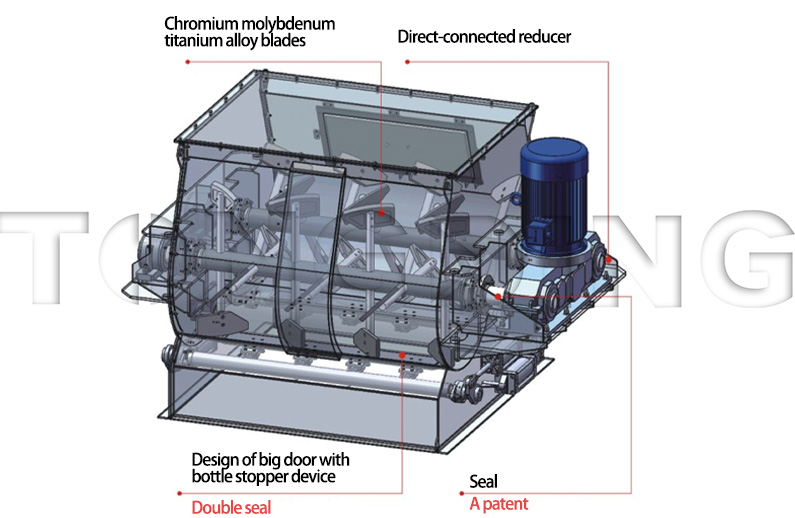
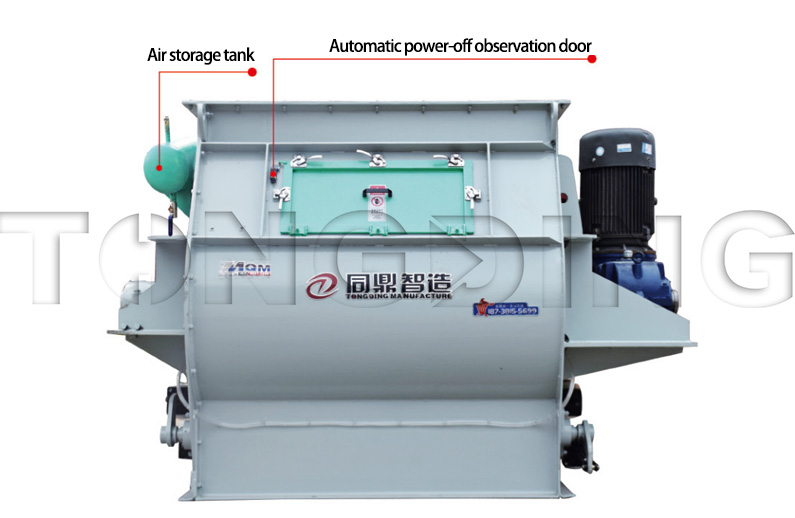
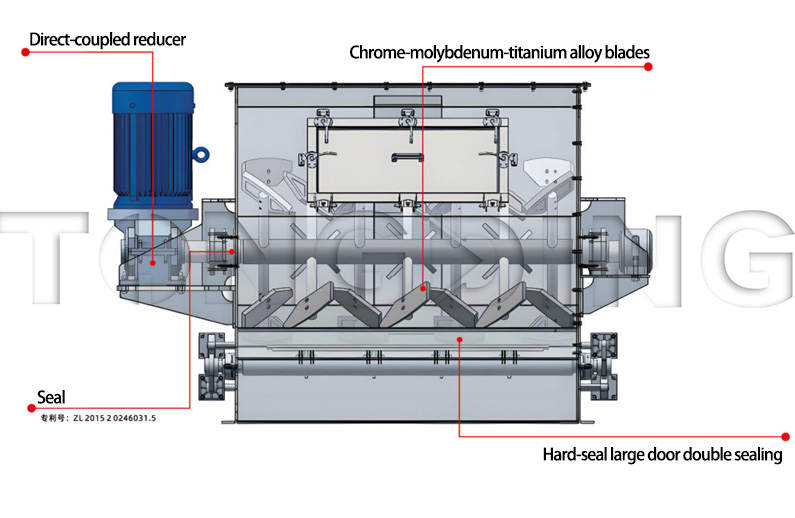
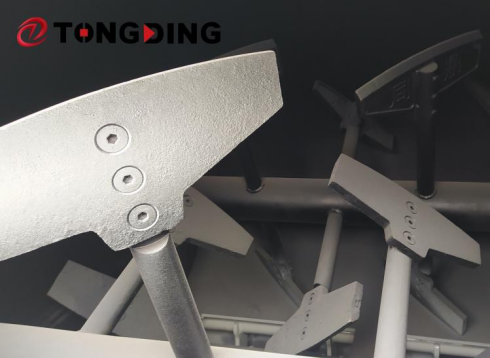
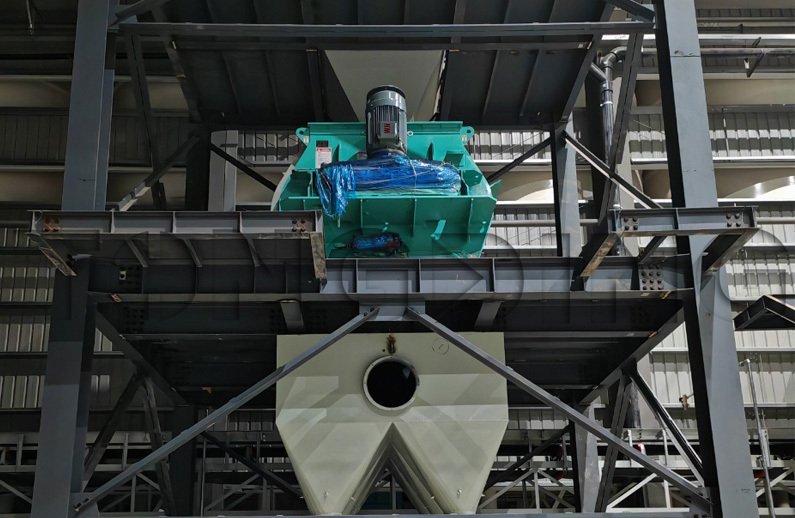
A Double Shaft Gravity-Free Mixer, also known as a Twin Shaft Paddle Mixer or Weightless Mixer, uses two counter-rotating shafts equipped with specially designed paddles.
As the paddles rotate, materials are thrown upward and inward, creating an instantaneous “weightless zone” inside the mixing chamber.
This unique mixing principle allows particles with different densities and particle sizes to achieve highly uniform blending within a short period.
Key Characteristics
- Mixing uniformity above 99%
- Short mixing cycles
- Low energy consumption
- Fast discharge speed
- Minimal material residue
- Suitable for continuous industrial production
Compared with conventional ribbon mixers, gravity-free mixers provide significantly better mixing performance for dry mortar and chemical powders.
Related Product: Double Shaft Gravity-Free Mixer
What Production Capacity Do You Actually Need?
One of the most common mistakes is selecting a mixer based only on current production requirements.
Instead, manufacturers should consider:
- Current output demand
- Future business growth
- Production shift schedule
- Product diversification plans
Daily Output Calculation
Start by calculating:
Example:
A factory producing 80 tons daily typically requires a mixer suitable for 10 TPH production.
How to Match Mixer Volume to Production Requirements
Mixer volume is one of the most important selection factors.
A larger mixer does not always mean higher efficiency.
The goal is to achieve the optimal loading ratio while maintaining production flexibility.
Recommended Mixer Models
| Model | Volume (m³) | Motor Power (kW) | Suitable Daily Output |
|---|---|---|---|
| WSZ2 | 2 | 18.5 | 20-40 Tons |
| WSZ3 | 3 | 22 | 40-60 Tons |
| WSZ4 | 4 | 30 | 60-100 Tons |
| WSZ6 | 6 | 45 | 100-200 Tons |
| WSZ10 | 10 | 55 | 200+ Tons |
Recommended Loading Ratio
The ideal loading coefficient is:
This range provides:
- Best mixing efficiency
- Lowest energy consumption
- Most stable discharge performance
Operating at 100% capacity often reduces mixing effectiveness and increases equipment wear.
How Material Characteristics Affect Mixer Selection
Different materials require different mixer configurations.
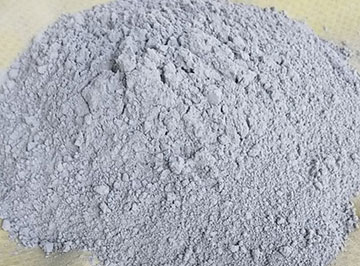
Dry Mortar
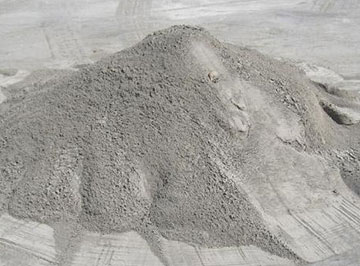
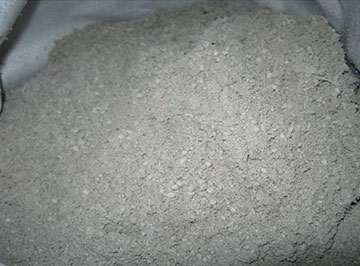
Dry mortar products require high mixing uniformity, low residue rates, and fast batch cycles.
Tile Adhesive
Tile adhesive formulations contain cement, quartz sand, HPMC, RDP, and starch ether. These materials have significant density differences and require precise mixing.
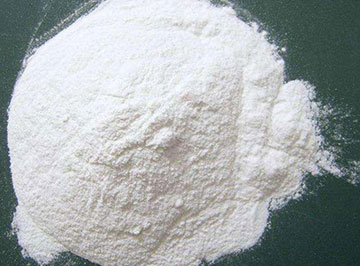
Wall Putty
Wall putty typically contains calcium carbonate, cement, and cellulose ether. Fine powders require excellent dispersion capability.
Self-Leveling Mortar
Self-leveling products contain multiple micro-additives that require extremely accurate mixing.
Chemical Powders
For chemicals, pigments, additives, and masterbatch materials, stainless steel mixer configurations are often recommended.
How Long Should a Mixing Cycle Be?
Mixing time directly affects production capacity.
Typical Mixing Time
| Material | Mixing Time |
|---|---|
| Dry Mortar | 3-5 Minutes |
| Tile Adhesive | 4-6 Minutes |
| Wall Putty | 3-5 Minutes |
| Chemical Powders | 5-8 Minutes |
Factors Affecting Mixing Time
- Particle size
- Material density
- Moisture content
- Additive percentage
- Desired uniformity level
A shorter mixing cycle increases hourly output and reduces operating costs.
Carbon Steel or Stainless Steel Mixer?
Material selection significantly affects equipment lifespan and contamination control.
Carbon Steel Mixer
Advantages: Lower investment cost, suitable for dry mortar, wall putty, and construction materials.
Best for: Dry mortar plants, tile adhesive factories, wall putty production.
Stainless Steel Mixer
Advantages: Corrosion resistance, easier cleaning, better contamination control.
Best for: Chemical powders, food additives, fine chemical processing, specialty materials.
Many manufacturers choose hybrid configurations with stainless steel contact parts and carbon steel structures.
Manual, Semi-Automatic, or Fully Automatic Systems?
The automation level should match your production goals.
Manual Systems
Suitable for small workshops, startup factories, and limited budgets.
Semi-Automatic Systems
Suitable for medium-sized manufacturers and flexible production.
Fully Automatic Systems
Include PLC control, automatic weighing, automatic batching, formula management, and production monitoring.
Best for: Large-scale dry mortar plants, tile adhesive production lines, continuous industrial operation.
Related Internal Link: Tile Adhesive Production Line
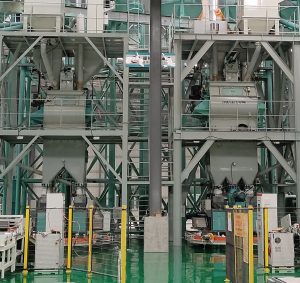
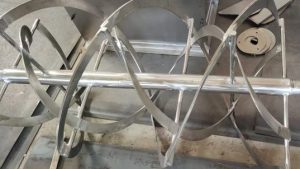
Double Shaft Gravity-Free Mixer vs Ribbon Mixer
This is one of the most common questions from buyers.
| Feature | Gravity-Free Mixer | Ribbon Mixer |
|---|---|---|
| Mixing Uniformity | Excellent | Moderate |
| Mixing Speed | Fast | Slower |
| Material Segregation | Very Low | Higher |
| Energy Efficiency | High | Medium |
| Maintenance | Moderate | Low |
| Dry Mortar Production | Excellent | Limited |
| Tile Adhesive Production | Excellent | Acceptable |
For high-value dry mortar products, gravity-free mixers are generally the preferred solution.
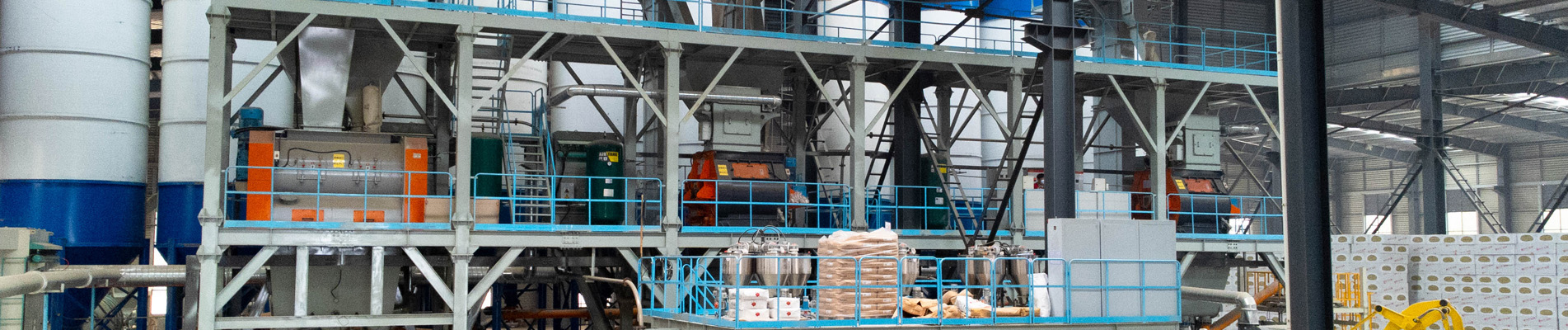
How to Integrate a Gravity-Free Mixer into a Complete Production Line
The mixer should never be selected independently. It must match upstream and downstream equipment.
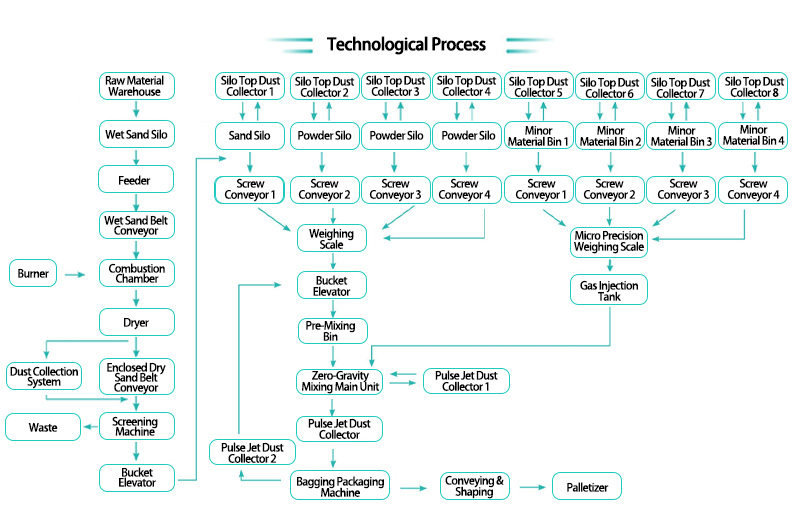
Upstream Equipment
- Sand Dryer
- Sand Storage Silo
- Cement Silo
- Additive Dosing System
- Bucket Elevator
Downstream Equipment
- Packing Machine
- Automatic Bagging Machine
- Palletizing Robot
- Bulk Loading System
Typical Production Flow
- Raw Materials
- ↓ Drying
- ↓ Storage
- ↓ Automatic Batching
- ↓ Double Shaft Gravity-Free Mixer
- ↓ Packing Machine
- ↓ Palletizing Robot
Related Internal Links:
- Dry Mortar Production Line
- Industrial Sand Dryer
- Automatic Packing Machine
- Palletizing Robot
Common Mistakes When Selecting a Double Shaft Gravity-Free Mixer
Choosing Based Only on Price
The cheapest mixer often leads to higher long-term operating costs.
Ignoring Material Properties
Different materials require different paddle designs and mixer configurations.
Oversizing Equipment
Oversized mixers reduce utilization rates and increase investment costs.
Ignoring Future Expansion
Many factories outgrow their initial production capacity within a few years.
Underestimating Dust Collection Requirements
Dust control is essential for environmental compliance and operator safety.
Frequently Asked Questions
What size double shaft gravity-free mixer do I need?
The correct size depends on your hourly production requirement, product type, and batch cycle time.
What is the best mixer for tile adhesive production?
A double shaft gravity-free mixer is generally considered the preferred solution due to its high mixing uniformity.
Can one mixer produce multiple products?
Yes. The same mixer can produce dry mortar, tile adhesive, wall putty, self-leveling mortar, and other powder materials.
What is the recommended loading ratio?
Most manufacturers recommend operating at 60%–70% loading capacity.
How long does a mixer last?
With proper maintenance, industrial mixers commonly operate for more than 10 years.
Can gravity-free mixers handle chemical powders?
Yes. Stainless steel configurations are widely used in chemical powder processing industries.
Request a Customized Mixer Selection Proposal
Choosing the right Double Shaft Gravity-Free Mixer is not only about equipment size. It is about balancing production capacity, material characteristics, automation level, investment budget, and future expansion plans.
Tongding Machinery provides customized mixer selection services for:
- ✓ Dry Mortar Production Lines
- ✓ Tile Adhesive Production Lines
- ✓ Wall Putty Plants
- ✓ Chemical Powder Processing Plants
- ✓ Turnkey Dry Mix Mortar Projects
Contact our engineering team today to receive:
- ★ Free Capacity Calculation
- ★ Equipment Configuration Recommendation
- ★ Factory Layout Design
- ★ Complete Production Line Proposal
- ★ Factory Direct Quotation
By selecting the right mixer from the beginning, manufacturers can improve product quality, reduce operating costs, and achieve long-term production efficiency.