
How to solve the problems of efficiency and cost in drying river sand using a three-pass dryer
A real case of three-cylinder dryer customer: How to solve the efficiency and cost problems of river sand drying with it
Preface
If you are engaged in the building materials, dry-mixed mortar or quartz sand processing industry, you must be well aware of the pain points of river sand drying.
Tongding Machinery has long focused on the R&D and manufacturing of sand drying systems, and we understand these challenges deeply.
Traditional single-drum dryers have low drying efficiency and large fluctuations in moisture content. Either the drying is insufficient, affecting the quality of downstream products, or it is over-dried, resulting in significant energy waste.
Moreover, sand is highly abrasive and generates substantial dust during processing, leading to frequent equipment wear and high maintenance costs. Many manufacturers also face production bottlenecks due to capacity limitations, which often delay order delivery.
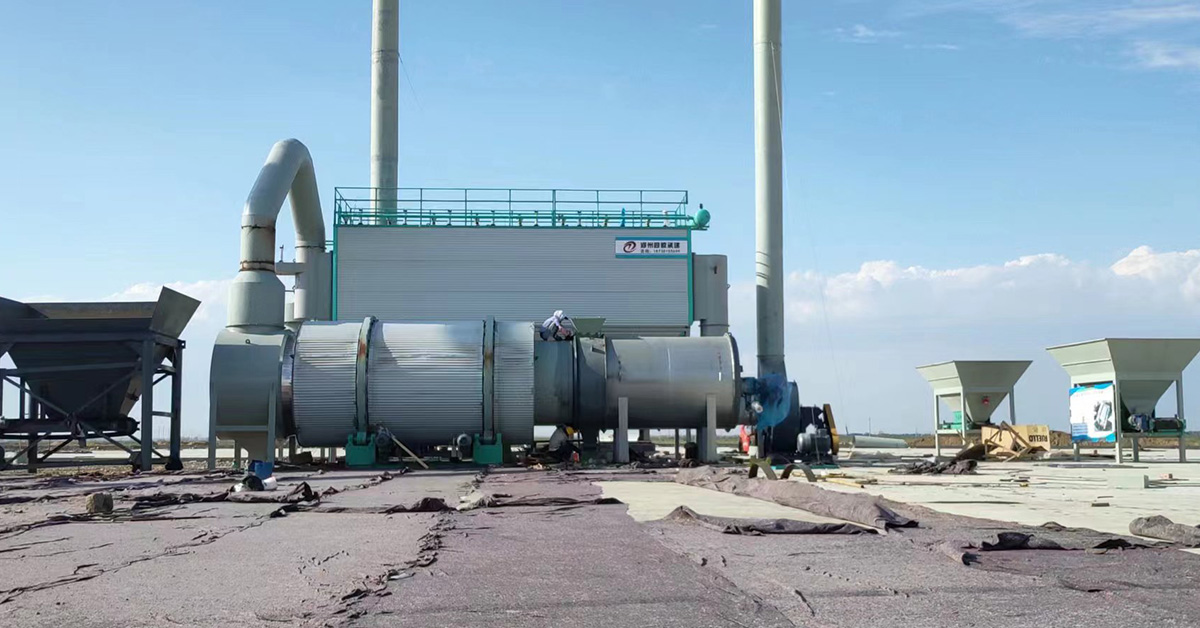
Today, we will look at a real case of a river sand drying customer to see how the Tongding three-pass rotary dryer solves these problems. This energy-efficient sand drying system helps the customer double their production capacity, reduce fuel consumption, and achieve consistent final moisture below 0.5% for dry mortar production.
I. Customer Background and Core Pain Points
1. Basic Information of the Customer
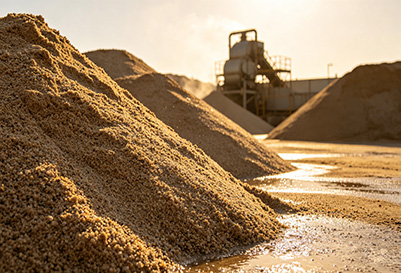
The customer is a large river sand washing and processing plant located in Vietnam.
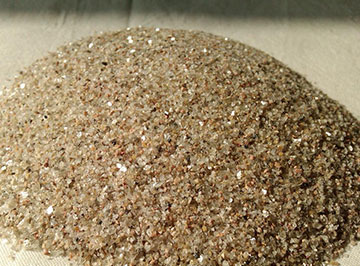
They mainly engaged in the washing and drying of river sand and manufactured sand for local dry-mixed mortar plants and concrete mixing stations.
Previously, they used two traditional single-drum dryers to process river sand, with a single capacity of only 8t/h.
The moisture content after drying fluctuated between 1.5% and 3%.
This was far from meeting the downstream customer’s requirement of ≤0.5% for dry sand.
2. Key Challenges Faced
Insufficient production capacity: The existing equipment cannot meet the demand of new orders.
During peak periods, production can only be carried out by extending working hours and operating in two shifts.
This resulted in a significant increase in labor costs.
Excessive energy consumption: The thermal efficiency of the single-tube dryer is low, and the diesel consumption is high.
The cost of drying each ton of finished product exceeds expectations, severely squeezing profits.
Unstable quality: The drying process is uneven, and some materials have an excessive moisture content.
They have been subject to multiple complaints from downstream customers and even face the risk of losing orders.
Severe equipment wear and tear: River sand is hard and highly fluid.
The discharge plate and cylinder wall of the single-tube dryer wear out quickly.
Monthly maintenance is required to replace worn parts, which is costly and seriously affects production continuity.
The customer urgently needs a set of efficient, stable and low-energy consumption drying equipment.
This is the main reason why they ultimately chose the three-pass drying machine.
II. Customized Solution: Why is the Three-Stage Drying Machine the Optimal Solution?
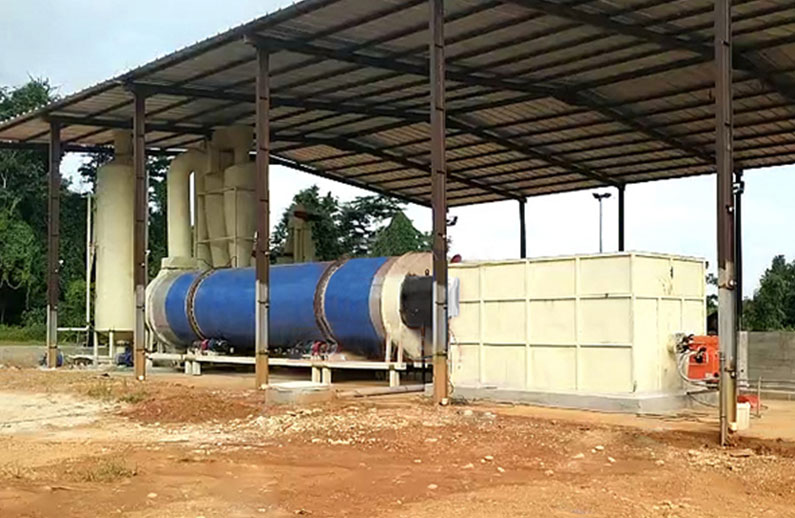
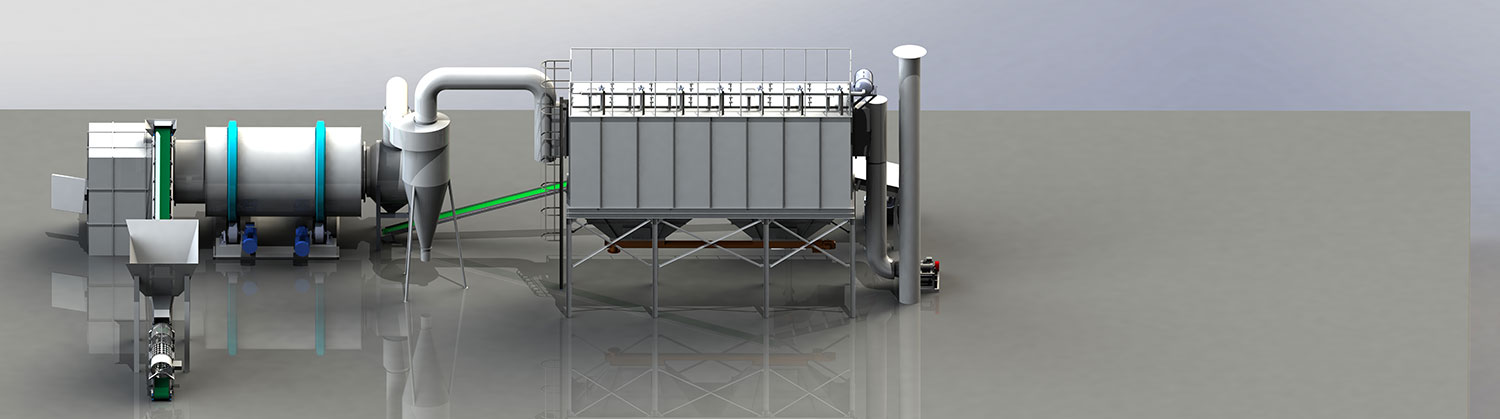
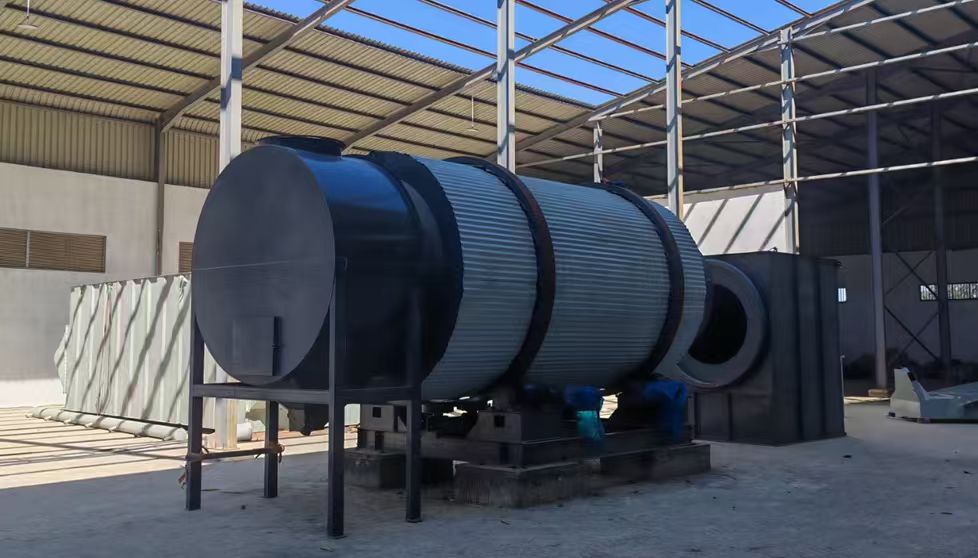
Based on the customer’s material characteristics and site conditions, we have customized a HG2240 type three-stage drying machine production line for the customer.
Initial moisture content of river sand is 8%, final moisture content is ≤ 0.5%, processing capacity requirement is 15 t/h.
The core advantages are as follows:
1. Compact structure, suitable for the client’s existing site
The client’s factory area has limited space.
The traditional single-tube dryer is too long and exceeds the length of the site, making it impossible to install.
However, the HG2240 three-pass dryer adopts a nested structure.
It occupies only 1/3 of the floor area of a single-tube dryer with the same production capacity.
It directly utilizes part of the foundation of the client’s original single-tube dryer.
This significantly reduces the construction cost and installation period.
2. Three-pass design, significant improvement in thermal efficiency
The three-pass dryer enables the material to flow back and forth three times within the cylinder.
This prolongs the contact time between the material and the hot air.
Meanwhile, the combined ash-dispersing plates inside the cylinder can evenly distribute river sand.
This avoids the problem of insufficient drying in certain areas.
Compared to a single-cylinder dryer, its thermal efficiency has increased by more than 30%.
Fuel consumption has been significantly reduced.
3. Customized vibrating plate, adapted to the characteristics of river sand
Due to the high hardness and easy wear of river sand, we have customized high-chromium alloy wear-resistant vibrating plates for the equipment.
With enhanced thickness treatment, the service life of these plates is more than three times that of ordinary vibrating plates.
This effectively reduces equipment wear and maintenance frequency.
After three months of operation, the customer reported that the three-pass drying machine was running stably.
The moisture content of the dried river sand fully met the standards.
There was no longer any complaint due to quality issues.
At the same time, the production capacity was increased.
They successfully secured three long-term cooperation orders for dry-mixed mortar factories.
This achieved a qualitative leap in both production capacity and profits.
III. Selection and Usage Suggestions
1. Core Points for Selecting Three-Loop Drying Machines (Taking River Sand as an Example)
Clearly define the material characteristics: River sand has different initial moisture content, silt content, and particle size distribution.
These require matching different cylinder sizes and agitator plate forms.
Determine production capacity and moisture content requirements.
Based on the hourly processing volume, initial moisture content, and target moisture content, calculate the required cylinder diameter, length, and heat source power.
Models like HG2240, HG2958, HG3270, etc., can cover processing demands of 5-30t/h.
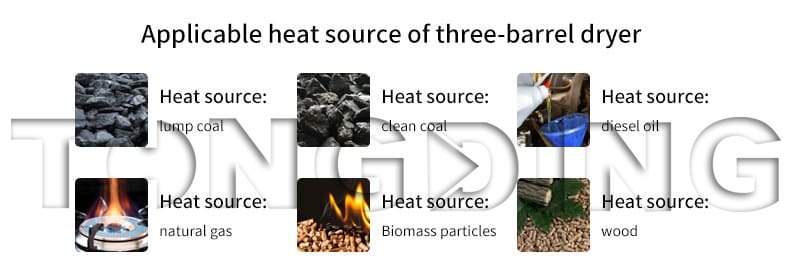
Match heat source types: Diesel, natural gas, steam, biomass pellets, etc.
Each has its own advantages and disadvantages. Choose based on local energy costs and environmental protection requirements.
Pay attention to the dust removal system.
During the drying process of river sand, dust will be generated.
A combination of a cyclone dust collector and a pulse dust collector should be used.
This ensures that the exhaust gas meets the standards and avoids environmental protection issues.
2. Daily Use and Maintenance Suggestions
Pre-start Inspection: Before each start-up, check the condition of the discharge plate, bearings, and seals.
Ensure there is no looseness or wear.
Control Feed Speed: Avoid rapid feeding that causes material accumulation inside the cylinder.
Rapid feeding may lead to blockage problems.
Regular Cleaning and Maintenance: Clean the residual materials inside the cylinder regularly based on the material characteristics.
Inspect the wear of vulnerable parts and replace them in time.
Reasonable Temperature Control: Adjust the drying temperature according to the moisture content of the material.
Avoid excessive temperature that causes material deterioration or equipment damage.
IV. Frequently Asked Questions (FAQ)
Q1: Can the three-pass dryer only process river sand?
A: No. The three-pass dryer can handle various materials, including slag, sand, quartz sand, lithium mica, etc.
As long as the internal material-discharging plates and process parameters are customized according to the material characteristics, efficient drying can be achieved.
Q2: Is the floor space occupied by the three-pass dryer really much smaller than that of the single-tube dryer?
A: Yes. Taking a 15t/h processing capacity as an example, the floor space of the three-pass dryer is only 1/3 – 1/2 of that of the single-tube dryer.
It is very suitable for customers with limited space.
Q3: Is the maintenance cost of the three-pass dryer high?
A: Compared with the single-tube dryer, the three-pass dryer has a more compact structure, fewer wear parts.
The materials do not directly contact the cylinder wall, resulting in less wear.
The maintenance frequency and cost are significantly reduced.
Conclusion and Consultation Guidance
Through this real case of river sand drying, we can observe that the three-stage dryer has successfully addressed the customers’ problems.
Problems such as insufficient production capacity, excessive energy consumption, unstable quality, and severe equipment wear.
With its compact structure, high thermal efficiency, stable drying quality, and wear-resistant design, it has perfectly solved these issues.
It brings tangible benefits to the customers.
If your enterprise is also facing problems with drying river sand or quartz sand, you might consider the three-stage dryer.
It is likely to be the key equipment that helps you break through the production bottleneck.
If you would like to know the specific model (such as HG2240, HG2958, etc.) for your materials, as well as its technical parameters and price, please feel free to contact us at any time.
We will customize an exclusive drying solution for you based on the characteristics of your materials, production capacity requirements and site conditions.
We help you achieve cost reduction and efficiency improvement.
Abby
Senior Sales Engineer | Drying Technology Consultant
“Helping customers solve high-moisture material drying challenges, cutting energy cost by 30% and ensuring stable output.”
— Vietnam sand processing plant