
Masonry Mortar Production Line Guide
What Is A Masonry Mortar Production Line? Complete Guide For Dry Mortar Manufacturers
1. What Is Masonry Mortar?
Masonry mortar is a dry mix construction material used for laying bricks, concrete blocks, AAC blocks and stone masonry. It is one of the key products manufactured by modern dry mortar production lines.
Compared with traditional site-mixed mortar, factory-produced masonry mortar from Tongding Machinery offers:
-
Consistent quality
-
Better bonding strength
-
Reduced material waste
-
Faster construction speed
-
Lower labor requirements
With the support of automatic batching systems, twin shaft paddle mixers, and PLC-controlled production lines, Tongding enables manufacturers to produce high-quality masonry mortar with stable performance and low operating costs.
As demand for standardized building materials grows worldwide, more manufacturers are investing in masonry mortar production plants and turnkey dry mortar solutions to meet market needs efficiently.
2. What Is A Masonry Mortar Production Line?
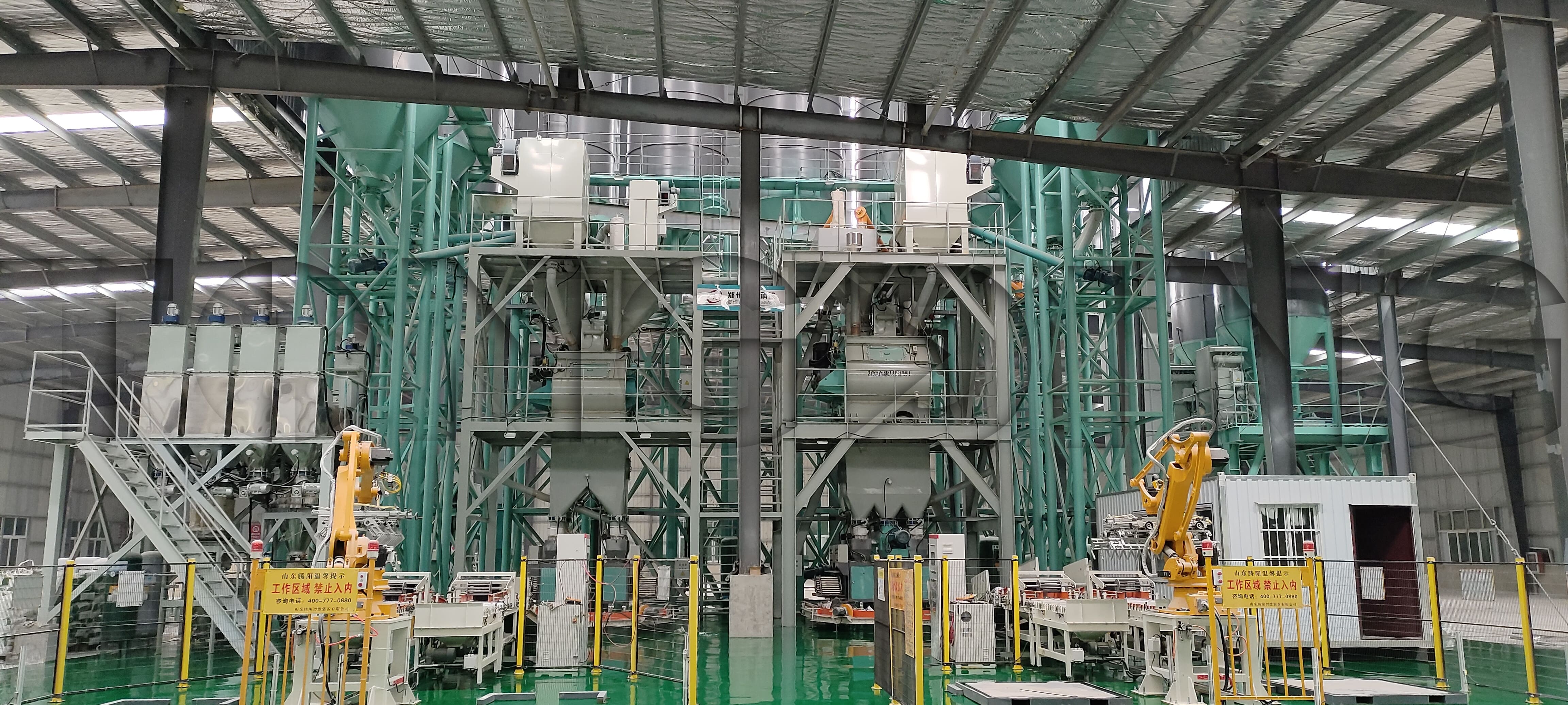
A masonry mortar production line is an automated manufacturing system designed to produce dry mixed masonry mortar in large quantities.
The system integrates:
- Sand drying ,Raw material storage,Automatic weighing,Precision batching,High-efficiency mixing,Packaging ,Palletizing
The finished products are widely used in residential, commercial and infrastructure projects.
3. What Products Can Be Manufactured?
A modern masonry mortar production line can produce:
- Brick Laying Mortar – Used for clay bricks and concrete bricks.
- Block Mortar – Suitable for concrete block construction.
- AAC Block Mortar – Designed for lightweight aerated concrete blocks.
- Cement Mortar – General construction applications.
- Repair Mortar – Building maintenance and renovation.
- Dry Mixed Construction Mortar – Commercial building projects.
4. Main Equipment Of A Masonry Mortar Production Line
Sand Drying System
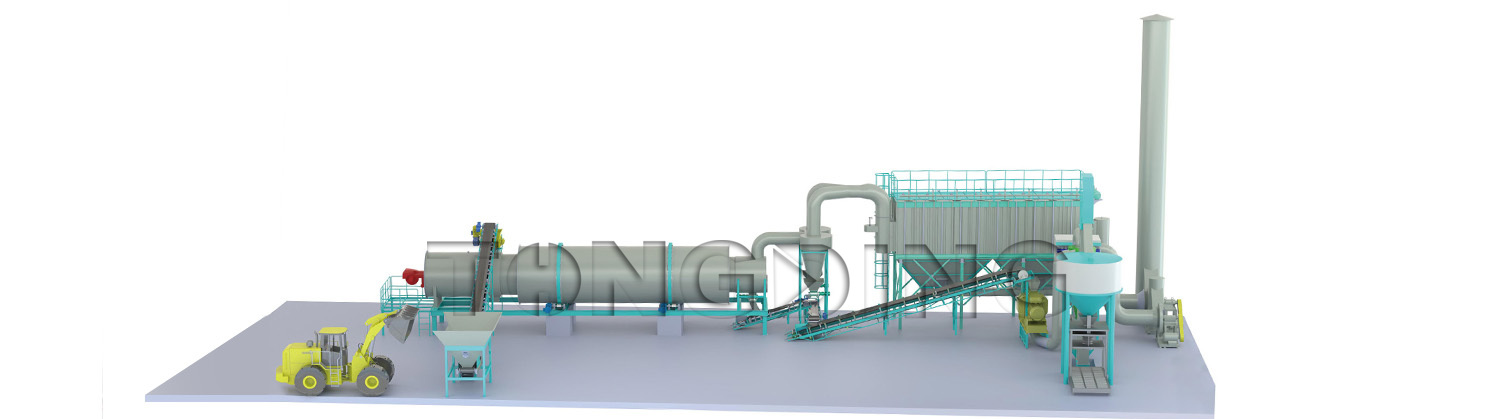
Removes moisture from raw sand and ensures stable product quality.
Common equipment:
- Three-pass sand dryer
- Rotary drum dryer
- Vibrating screen
Raw Material Storage System
Stores:
- Cement
- Sand
- Fly ash
- Additives
Automatic Batching System
Electronic weighing ensures accurate formula control.
Typical batching accuracy: ±0.5%
Mixing System
Common mixer types:
- Twin shaft mixer
- Ploughshare mixer
Mixing uniformity can exceed 99%.
Packaging And Palletizing
Finished products are automatically packed and stacked for shipment.
5. How Does A Masonry Mortar Production Line Work?
Production process:
- Raw Material Storage
- ↓ Sand Drying
- ↓ Screening
- ↓ Automatic Batching
- ↓ Mixing
- ↓ Packaging
- ↓ Palletizing
- ↓ Finished Product Storage
This automated workflow significantly improves production efficiency and product consistency.
6. Why Are More Manufacturers Switching To Automatic Production?
- Lower Labor Cost – Only a few operators are required.
- Stable Product Quality – Automatic batching reduces human error.
- Higher Production Capacity – Continuous operation increases output.
- Reduced Material Waste – Accurate weighing minimizes losses.
- Better Environmental Performance – Integrated dust collection systems reduce emissions.
7. Masonry Mortar Production Line Capacity Options
| Capacity | Suitable For |
|---|---|
| 5 TPH | Small factories |
| 10 TPH | Local markets |
| 20 TPH | Regional distribution |
| 30 TPH | Medium-size manufacturers |
| 50 TPH | Large-scale production |
| 80-100 TPH | Industrial projects |
The ideal capacity depends on market demand and investment budget.

8. How Much Does A Masonry Mortar Production Line Cost?
The investment depends on:
- Production capacity
- Automation level
- Number of silos
- Dryer configuration
- Packaging system
- Palletizing requirements
Typical projects range from semi-automatic systems to fully automated production plants.
For accurate pricing, manufacturers usually require:
- Capacity requirement
- Product type
- Plant area
- Country location
9. Common Challenges In Mortar Production
Many factories experience:
- Unstable product quality
- High labor costs
- Dust pollution
- Low production efficiency
- Frequent equipment maintenance
Modern automated systems are designed to solve these challenges.
10. Frequently Asked Questions
What Is The Difference Between Masonry Mortar And Plastering Mortar?
Masonry mortar is used for bonding bricks and blocks, while plastering mortar is used for wall rendering and finishing.
Can One Production Line Produce Different Mortar Types?
Yes. Formula adjustments allow production of masonry mortar, tile adhesive, wall putty and other dry mix products.
How Many Workers Are Required?
Normally 3-6 operators depending on automation level.
What Capacity Is Most Popular?
20-30 TPH is currently one of the most common configurations in developing markets.
Conclusion: Choosing The Right Masonry Mortar Production Line
Selecting the right production line requires balancing:
- Capacity
- Automation
- Investment budget
- Product portfolio
- Future expansion plans
Manufacturers who invest in efficient automated systems can improve product quality, reduce operating costs and increase profitability.
Need A Customized Masonry Mortar Production Solution?
Tongding provides:
- ✓ Masonry Mortar Production Lines
- ✓ Tile Adhesive Production Lines
- ✓ Wall Putty Production Lines
- ✓ Sand Drying Systems
- ✓ Automatic Packaging & Palletizing Solutions
Contact our engineering team to receive:
- Free Plant Layout
- Equipment Configuration
- Production Flow Design
- Investment Budget Estimate