
What Is a Single Drum Dryer?
Single Drum Dryer: Structure, Working Principle and Industrial Applications
Modern industrial production often requires reliable drying equipment capable of processing high-moisture and high-viscosity materials. In industries such as mining, building materials, metallurgy, and environmental protection, wet materials directly affect transportation, storage, mixing quality, and production efficiency.
A single drum dryer is one of the most widely used industrial drying systems because of its stable operation, simple structure, and large processing capacity. It is especially suitable for drying materials with high moisture content and sticky characteristics.
This article explains the structure, working principle, applications, technical advantages, and key considerations of single drum dryers.
What Is a Single Drum Dryer?
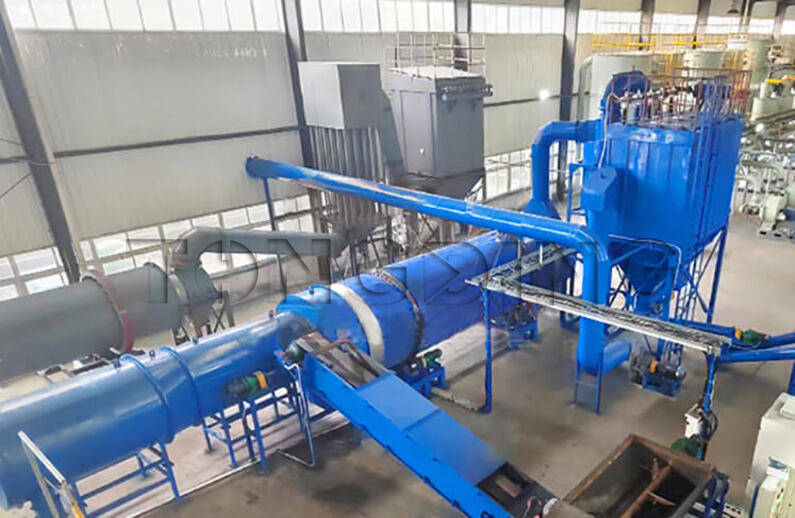
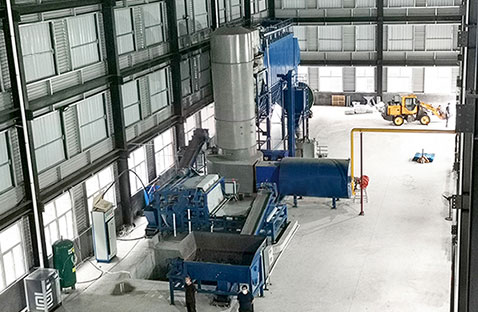
A single drum dryer, also called a single cylinder rotary dryer or single pass dryer, is a rotating drying machine designed to remove moisture from bulk materials through direct heat exchange.
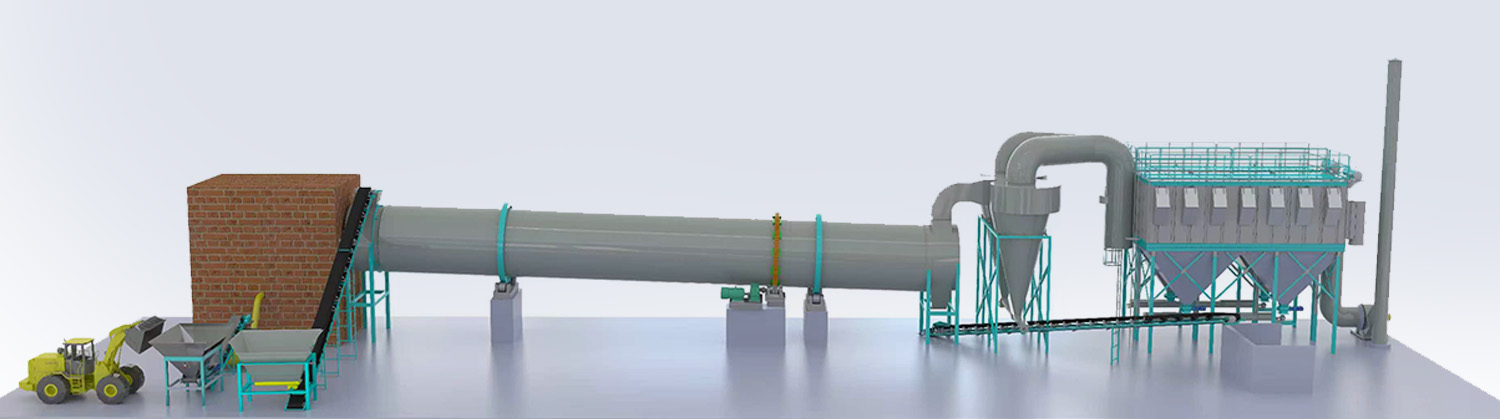
The equipment mainly consists of:
- Rotary drum
- Feeding system
- Burner system
- Supporting roller device
- Transmission system
- Dust collection system
- Exhaust fan
- Discharge system
- PLC control system
During operation, wet materials enter the rotating drum and move forward continuously under the action of lifting plates and drum rotation. Hot air generated by the burner flows through the drum and transfers heat to the material surface, causing moisture evaporation.
Single drum dryers are widely used because they can process:
- High-moisture materials
- Sticky materials
- Fine powders
- Granular materials
- Industrial sludge
How Does a Single Drum Dryer Work?
The single drum drying process follows a continuous and stable workflow.
1. Material Feeding
Wet material enters the dryer through a belt conveyor or feeding device.
The feeding system controls material flow to maintain stable drying conditions.
2. Hot Air Generation
A burner generates high-temperature hot air inside the combustion chamber.
Common fuel options include:
- Natural gas
- Diesel
- Coal
- Biomass fuel
The hot airflow enters the rotary drum and contacts the wet material directly.
3. Drum Rotation and Material Lifting
As the drum rotates, internal lifting plates raise and scatter the material repeatedly.
This process forms a uniform material curtain inside the drum, increasing the contact area between the material and hot airflow.
Efficient heat exchange improves drying performance and reduces fuel consumption.
4. Moisture Evaporation
Heat transfers from the hot air to the wet material surface.
Moisture gradually evaporates while the material moves toward the discharge end.
Depending on the material properties and production requirements, final moisture can usually be reduced to approximately 1%.
5. Material Discharge
The dried material exits the dryer through the discharge system and moves to storage, packaging, or downstream production lines.
Dust and exhaust gas are processed through a dust collection system before discharge.
Main Structure of a Single Drum Dryer
Rotary Drum
The rotary drum is the core part of the drying system.
The drum rotates at a controlled speed to ensure stable material movement and sufficient heat exchange time.
Combined Lifting Plate Design
Different lifting plate structures are arranged inside the drum according to material characteristics.
This design helps:
- Improve material dispersion
- Increase heat exchange efficiency
- Reduce fuel consumption
- Prevent uneven drying
Compared with traditional rotary dryers, optimized lifting plate systems can reduce heat consumption per kilogram of evaporated water by approximately 20%.
Burner System
The burner supplies thermal energy for the drying process.
The heating temperature is adjusted according to:
- Material moisture
- Material particle size
- Production capacity
- Fuel type
Supporting Roller Device
The self-aligning supporting roller system improves drum stability during operation.
Compared with traditional point-contact support systems, line-contact support reduces:
- Mechanical wear
- Power loss
- Drum vibration
This design also increases equipment service life.
Transmission System
The transmission system controls drum rotation speed.
Optimized drive structure reduces operating current and improves operational stability.
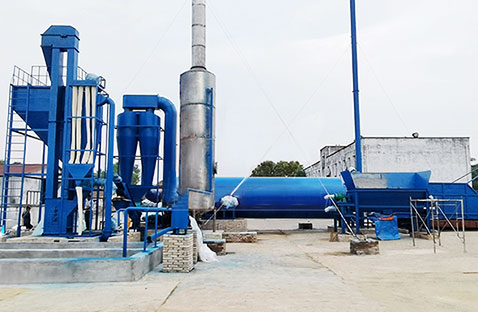
Dust Collection System
Industrial drying processes generate dust during airflow circulation and material lifting.
Modern single drum dryers usually use:
- Cyclone separators
- Pulse bag filters
- Exhaust fans
These systems help reduce emissions and maintain cleaner production conditions.
Sealing System
Front and rear sealing systems reduce heat loss and improve thermal efficiency.
High-temperature resistant sealing materials improve wear resistance and reduce air leakage.
Advantages of Single Drum Dryers
Suitable for High-Moisture and High-Viscosity Materials
Single drum dryers are highly suitable for materials that are difficult to dry, including:
- Coal slime
- Clay
- Mineral sludge
- Lithium mica
- Kaolin
- Gypsum
Special anti-sticking structures help prevent material adhesion inside the drum.
Large Production Capacity
Single drum dryers are suitable for continuous large-scale industrial production.
Typical production capacity ranges from:
- 25 T/H to 90 T/H
depending on equipment specifications.
Stable Operation
The simple structural design improves equipment reliability and reduces maintenance frequency.
Lower Maintenance Difficulty
Compared with more complex multi-cylinder systems, single drum dryers are easier to inspect and maintain.
Flexible Drying Process
Material residence time can be adjusted according to product requirements.
This improves drying control for different material types.
Anti-Sticking Design for Sticky Materials
High-viscosity materials often stick to the inner drum wall during drying.
To solve this problem, modern single drum dryers use:
- Special lifting plate structures
- Internal knocking devices
- Optimized drum speed
- Adjustable material movement systems
These designs help maintain continuous material flow and improve drying stability.
Applications of Single Drum Dryers
Single drum dryers are widely used across multiple industries.
Building Materials Industry
Used for drying:
- Sand
- Clay
- Gypsum
- Slag
- Mortar materials
Mining Industry
Used for processing:
- Mineral concentrates
- Ore powder
- Kaolin
- Lithium mica
Metallurgical Industry
Used for drying:
- Iron powder
- Steel slag
- Industrial residues
Environmental Protection Industry
Used for:
- Sludge drying
- Waste residue processing
- Recycling material treatment
Petrochemical Industry
Used for drying petroleum coke and other industrial materials.
Common Materials Suitable for Single Drum Dryers
| Material | Characteristics |
|---|---|
| Coal Slime | High moisture, sticky |
| Kaolin | Fine powder material |
| Lithium Mica | Mineral processing |
| Clay | High viscosity |
| Gypsum | Construction material |
| Petroleum Coke | Industrial fuel material |
| Iron Powder | Metallurgical material |
Single Drum Dryer Technical Parameters
| Model | Capacity | Initial Moisture | Final Moisture | Motor Power |
|---|---|---|---|---|
| φ2.5×22 | 25–35 T/H | 10–26% | 1% | 37 KW |
| φ3×20 | 30–40 T/H | 10–26% | 1% | 55 KW |
| φ3.2×32 | 40–50 T/H | 10–26% | 1% | 90 KW |
| φ3.6×36 | 50–70 T/H | 10–26% | 1% | 110 KW |
| φ4×40 | 70–90 T/H | 10–26% | 1% | 160 KW |
Typical inlet temperature ranges from:
- 750°C to 1000°C
depending on material and production requirements.
How to Choose the Right Single Drum Dryer
Before selecting a dryer, manufacturers should evaluate:
Material Moisture
Higher moisture materials require stronger drying capacity and optimized internal structures.
Production Capacity
The dryer should match the output requirements of the complete production line.
Fuel Type
Fuel availability and energy cost directly affect long-term operating expenses.
Installation Space
Plant layout affects drum length and equipment configuration.
Environmental Requirements
Dust collection systems should comply with local environmental standards.
Internal and External Resources
Internal Reading
- Rotary Sand Dryer
- Frac Drum Dryer
- Dry Mortar Production Line
- Sand Drying Process
- Dust Collection System
External Industry References
Conclusion
Single drum dryers remain one of the most reliable industrial drying solutions for high-moisture and high-viscosity materials.
With large processing capacity, stable operation, flexible process control, and lower maintenance difficulty, they are widely used in mining, building materials, metallurgy, environmental protection, and industrial mineral processing.
For manufacturers handling sticky or wet materials, selecting a properly designed single drum dryer can improve drying efficiency, reduce fuel consumption, and maintain long-term production stability.