
Automation Levels and Production Capacity of Tile Adhesive Production Lines
Automation Levels and Production Capacity of Tile Adhesive Production Lines
Choosing the right tile adhesive production line is one of the most important decisions when building a dry mix mortar factory. The production capacity and automation level directly affect your investment cost, labor requirements, production efficiency, and future expansion potential.
Whether you are planning a 5 TPH startup factory or a 50 TPH fully automatic tile adhesive manufacturing plant, selecting the appropriate configuration can significantly improve your return on investment while reducing long-term operating costs.
At Tongding, we design complete turnkey tile adhesive production lines based on your production goals, local raw materials, available factory space, and budget. Every solution is customized to help manufacturers achieve stable production, consistent product quality, and sustainable business growth.
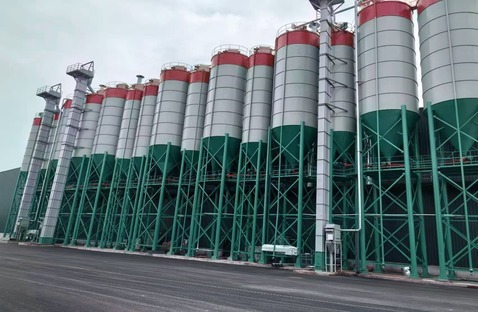
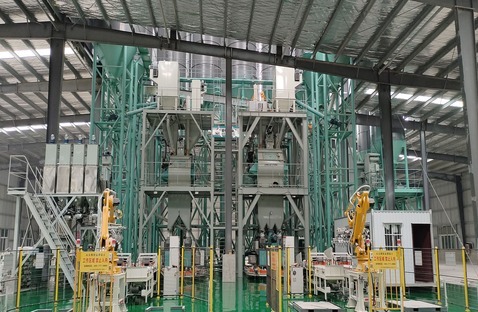
Typical production capacities include:
- 5 TPH Tile Adhesive Production Line
- 10 TPH Tile Adhesive Production Line
- 20 TPH Tile Adhesive Production Line
- 30 TPH Tile Adhesive Production Line
- 50 TPH Tile Adhesive Production Line
- 100 TPH+ Automatic Dry Mortar Plant
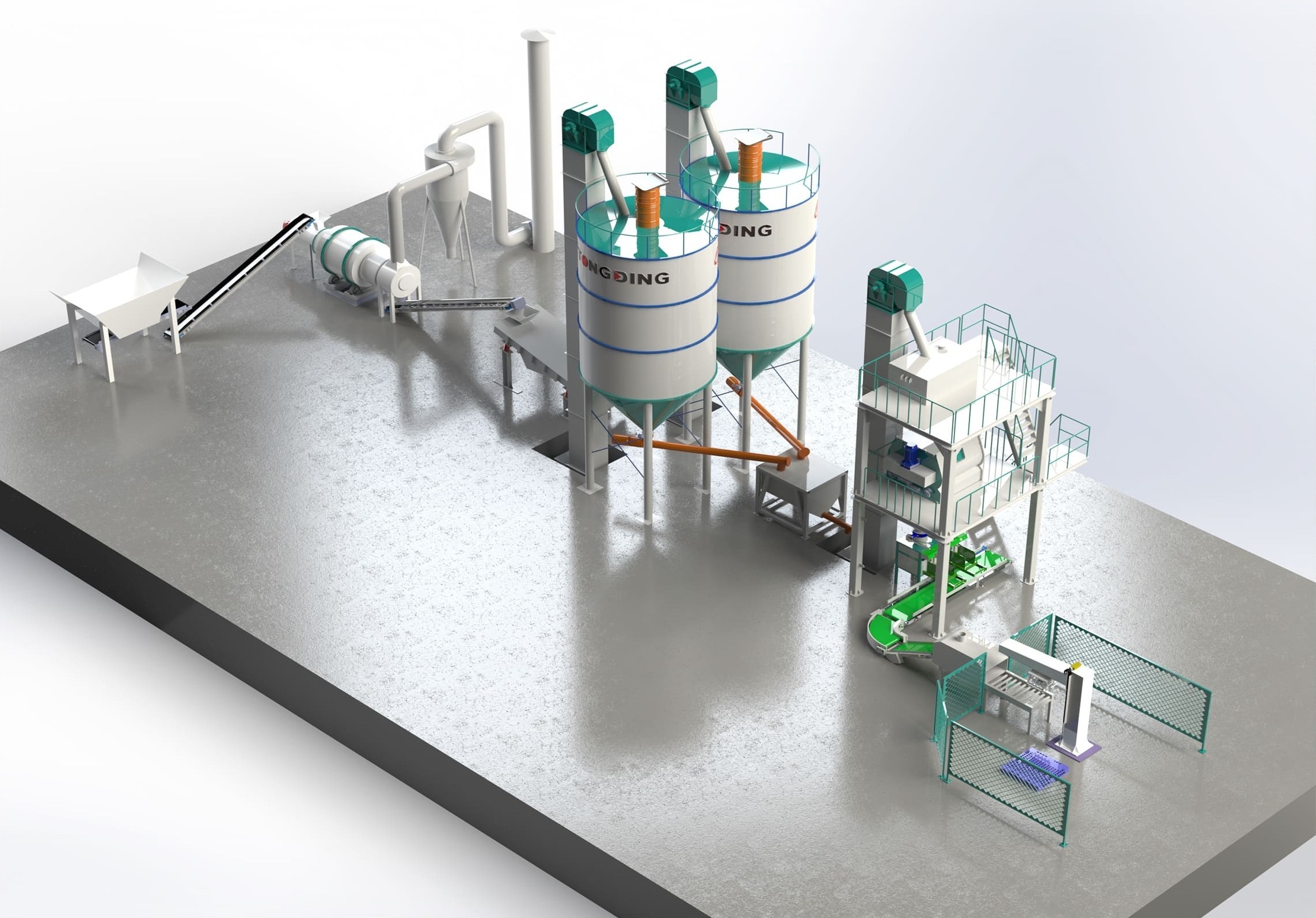
Our production lines integrate sand drying, automatic batching, micro-additive dosing, high-efficiency mixing, automatic packing, PLC intelligent control, and optional robotic palletizing into one complete manufacturing system.
For a detailed explanation of the manufacturing process, please read our Tile Adhesive Production Line: Complete Manufacturing Process Explained.
What Determines the Production Capacit#y of a Tile Adhesive Production Line?
Many buyers assume that production capacity depends only on the size of the mixer. In reality, the output of a tile adhesive production line is determined by the efficiency of the entire production system.
Every stage—from raw material preparation to finished product packaging—must operate in balance. If one section becomes a bottleneck, the overall production capacity will decrease.
The major factors influencing plant capacity include:
- Sand drying efficiency
- Material screening speed
- Cement and additive feeding capacity
- Automatic batching accuracy
- Mixer cycle time
- Packaging machine speed
- Material conveying efficiency
- PLC coordination and automation
For example, installing a larger mixer without upgrading the sand dryer or packing machine will not significantly increase hourly output. A well-designed production line keeps every process synchronized to ensure continuous production.
What Does “TPH” Mean?
TPH stands for Tons Per Hour, indicating the amount of finished tile adhesive that the production line can manufacture each hour under normal operating conditions.
| Plant Capacity | Estimated Daily Output (8 Hours) |
|---|---|
| 5 TPH | 40 tons |
| 10 TPH | 80 tons |
| 20 TPH | 160 tons |
| 30 TPH | 240 tons |
| 50 TPH | 400 tons |
Actual production may vary depending on product formulation, raw material moisture content, and packaging speed.
Batch Production vs Continuous Production
Most tile adhesive plants operate using a batch production process, where each batch follows a precise formulation before entering the mixer.
This approach offers several advantages:
- Higher product consistency
- Easier recipe management
- Fast switching between different formulations
- Better quality control
- Reduced material waste
Continuous production systems are generally used for standardized bulk materials, while batch production provides the flexibility required for manufacturing multiple dry mortar products such as tile adhesive, wall putty, skim coat, and self-leveling mortar.
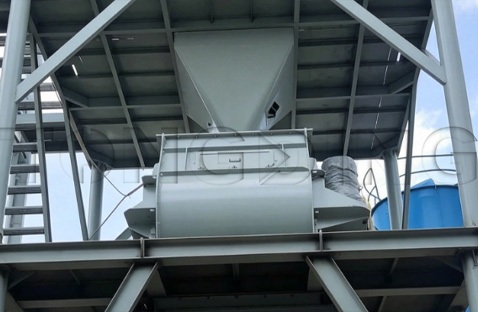
The Importance of Balanced Production Capacity
A production line performs best when every machine is properly matched.
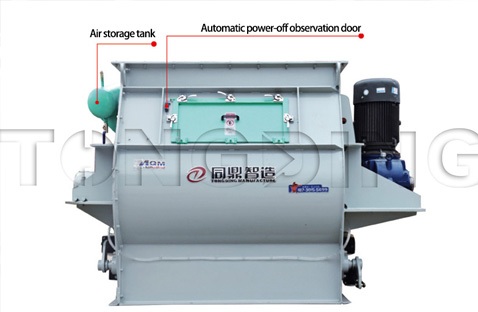
- An oversized mixer paired with a small packaging machine creates product accumulation.
- A high-capacity batching system combined with an undersized sand dryer limits overall throughput.
- Insufficient silo capacity can interrupt continuous production.
Tongding engineers calculate the capacity of each piece of equipment before designing the plant, ensuring stable operation across the entire production line.
This system-based approach helps customers achieve higher production efficiency, lower operating costs, and more reliable long-term performance.
Factors That Affect Production Efficiency
Several practical factors influence the actual productivity of a tile adhesive manufacturing plant:
Raw Material Moisture
Wet sand requires additional drying time, increasing fuel consumption and reducing production efficiency. Maintaining a final sand moisture content below 0.5% helps improve mixing quality and shorten production cycles.
Formula Complexity
Standard tile adhesive formulations are generally faster to produce than specialty products containing large amounts of polymer additives or lightweight fillers.
Packaging Speed
Automatic valve bag packing machines typically operate much faster than manual filling systems, making them essential for medium and large production lines.
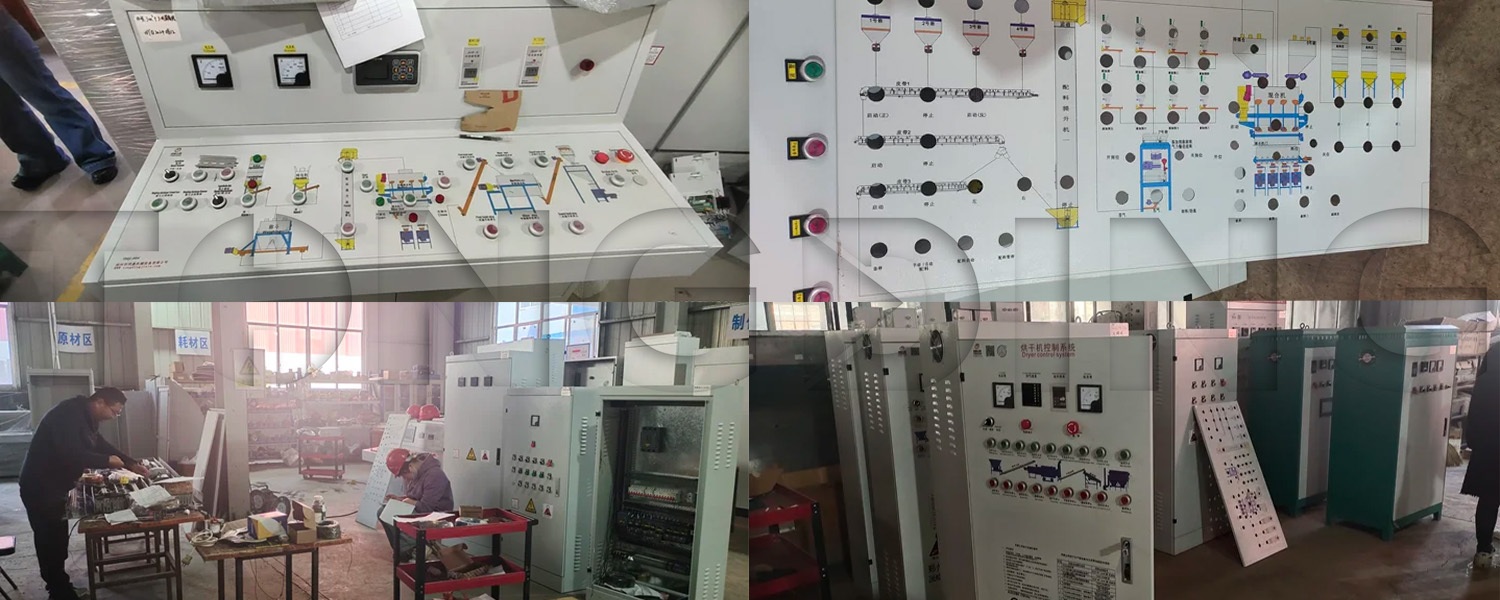
Automation Level
Fully automatic PLC-controlled systems reduce manual intervention, shorten production cycles, and improve overall equipment coordination.
Equipment Maintenance
Regular maintenance of mixers, conveyors, weighing systems, and packing machines minimizes downtime and extends equipment life.
Why Production Capacity Matters
Selecting the correct production capacity is about more than meeting current demand. It determines how efficiently your factory can operate as your business grows.
A properly sized production line helps you:
- Reduce production costs per ton
- Improve delivery speed
- Lower labor requirements
- Maintain consistent product quality
- Support future product expansion
- Increase long-term profitability
Rather than simply choosing the largest capacity available, the best solution is one that matches your local market demand, investment budget, available factory space, and future development plans.
At Tongding, every project begins with a detailed engineering consultation to recommend the most suitable capacity and automation level for your specific production goals.
Related Resources
To help you plan your project, you may also be interested in:
- Tile Adhesive Production Line: Complete Manufacturing Process Explained
- Tile Adhesive Production Line Cost (2026 Guide)
- Turnkey Tile Adhesive Plant Solution
- Dry Mortar Production Line
- Automatic Packing Machine
- Rotary Sand Dryer
For additional information about dry-mix mortar technology and cement-based building materials, you can also refer to the Drymix.info Knowledge Base and the Portland Cement Association (PCA).